


 Shkruar nga Pamfleti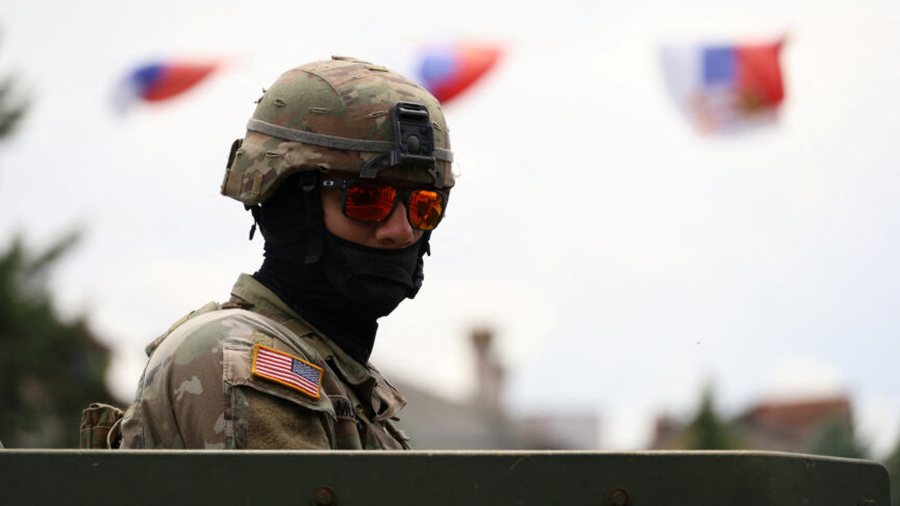
The dialogue process between Kosovo and Serbia will fail if and until the main Western capitals admit that they have backed the wrong horse.
The renewed violence in Kosovo has drawn international attention to the deep challenges facing Kosovo and the Western Balkans.
The European Union and the United States have each responded by focusing criticism on the decisions taken by the Kosovo authorities. But the EU and especially the US are neglecting to consider their impact on the long-term failure of international efforts to improve Kosovo-Serbia relations. In essence, both powers are wrong to treat Serbia as a bona fide actor in the ten-year dialogue process between Pristina and Belgrade. Kosovo has made its own mistakes as part of the process – but Western indulgence in the essential orientation of Serbia's anti-Western foreign policy helped pave the way for the latest violence.
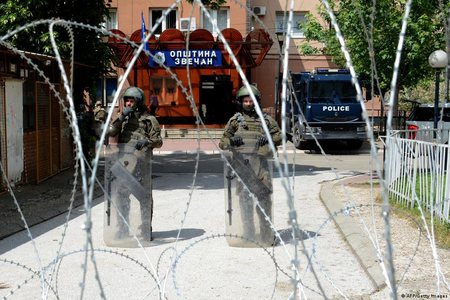
Last Friday, the newly elected mayors for the four Serb-majority municipalities in northern Kosovo tried to enter the municipal buildings to take their posts, amid protests from the local Serb community. The Government of Kosovo had supported the mayors in this action. When crowds gathered, Kosovo police fired tear gas and local Serbs attacked NATO soldiers who had intervened to keep the peace. Kosovo Serb voters had boycotted the polls, causing turnout to drop below 4 percent and leading to the election of three Kosovo Albanians and one member of the Bosniak community.
The US had pressed for mayors to stay away, and the US secretary of state and EU and Quint ambassadors rebuked Kosovo for escalating tensions with Serbia. The US also removed Kosovo from the ongoing Defender 23 military exercise and suspended its support for efforts to recognize the country. For its part, Serbia put its army on full alert and moved military units closer to the border with Kosovo.
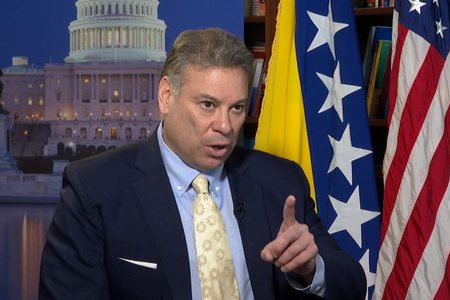
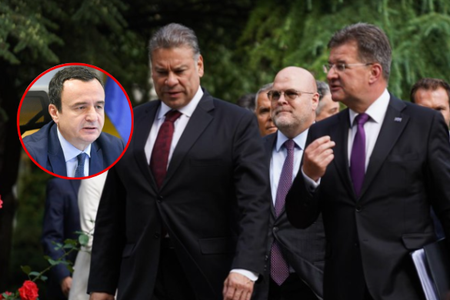
Since 2011, the EU has acted as a facilitator of the dialogue process (as mandated by the United Nations) between Kosovo and Serbia to address outstanding issues between the two countries. The US has always been closely involved, and indeed, in the past two years, American involvement has intensified significantly: Washington appointed a senior diplomat with experience as US ambassador to Serbia, while Deputy Assistant Secretary Gabriel Escobar has made frequent visits to the region alongside the EU Special Representative, Miroslav Lajcak.
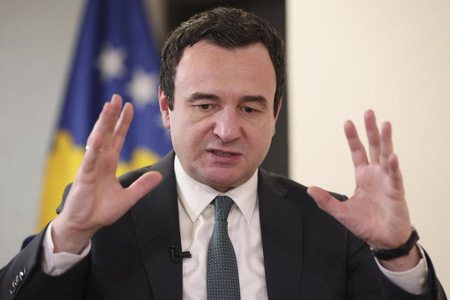
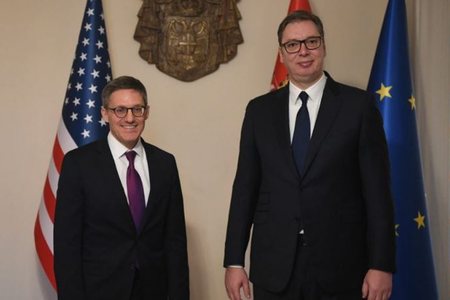
The core of the US approach is a major effort to nurture ties with Serbia and remove the country from Russia's orbit. Under the Biden administration, the US has held numerous high-level meetings with Serbian President Aleksandar Vucic and other senior Serbian officials. Secretary of State Antony Blinken himself has led such meetings for the US. The chairman of the US Joint Chiefs of Staff recently met with his Serbian counterpart and spoke well of the meeting afterwards. In contrast, almost no such equal meeting has taken place between US and Kosovo officials. At this year's security conference in Munich, Blinken sat down with Vucic - but not with Kosovo's prime minister, Albin Kurti.
Progresi përmes dialogut ka qenë i akullt dhe qasja e SHBA-së e ka lejuar Serbinë që pothuajse tërësisht të lirojë veten nga përgjegjësitë e saj
Vetë dialogu ka dhënë disa fryte, siç është një deklaratë e përbashkët e fundit për personat e zhdukur. Por në përgjithësi, progresi përmes dialogut ka qenë i paqëndrueshëm dhe qasja e SHBA-së e ka lejuar Serbinë që pothuajse plotësisht të lirojë veten nga përgjegjësitë e saj si anëtare e procesit. Për shembull, Serbia duhet të respektojë marrëveshjet e arritura si pjesë e dialogut, si p.sh. ndërprerja e kundërshtimit të përpjekjeve të Kosovës për t'u anëtarësuar në organizatat ndërkombëtare. Megjithatë, vota e Serbisë në prill kundër anëtarësimit të Kosovës në Këshillin e Evropës u prit me heshtje nga sponsorët perëndimorë të procesit të dialogut. Në të kundërt, SHBA kërkon që Kosova të përmbushë obligimet e saj të dakorduara gjatë dialogut, kryesisht krijimin e Asociacionit të Komunave me shumicë serbe, të nënshkruar në vitin 2013.
Qasja e Shteteve të Bashkuara ndaj Serbisë gjithashtu nuk duket se ka ndryshuar llogaritjet më të gjera serbe. Brenda Serbisë, liderët politikë ngjallën armiqësi ndaj çdo zgjidhjeje me Kosovën përmes dialogut, duke minuar të gjithë ndërmarrjen. Publiku serb është mosbesues ndaj SHBA-së dhe e konsideron Uashingtonin si udhëheqësin e sulmeve të NATO-s në vitin 1999 në vendin e tyre. Dhe bojkoti i zgjedhjeve komunale u bë me mbështetjen e plotë të Vuçiçit, i cili gjithashtu mbështeti tërheqjen e serbëve nga institucionet e Kosovës në nëntor 2022. Ky është konteksti në të cilin superylli i tenisit Novak Gjokoviç shkruante "Kosova është zemra e Serbisë" një objektiv kamerash në French Open.
SHBA-ja e identifikon saktë ankorimin e Serbisë dhe Kosovës në institucionet euroatlantike si çelësin e paqes dhe prosperitetit në Ballkanin Perëndimor. Por duke parë mbrapa vitin e kaluar, SHBA-ja ka pak për të treguar për përpjekjet e saj. Sido që të jetë, ajo ka krijuar hapësirë në të cilën Vuçiq ndjen se mund të përshkallëzojë krizat në çfarëdo mënyre që ai e sheh të nevojshme për të mbajtur kontrollin në shtëpi. (Presidenti ka qenë kohët e fundit nën presion pas zemërimit publik ndaj dy të shtënave masive në Serbi.)
Ngjarjet më të fundit nuk erdhën vetëm si rezultat i gjykimeve të gabuara nga Kosova; pozicioni i saj meriton të paktën një dëgjim. Nën presionin ndërkombëtar të udhëhequr nga SHBA-të, Kosova tashmë i kishte shtyrë zgjedhjet komunale nga dhjetori në prill dhe Kushtetuta e Kosovës mandatonte zgjedhjet. (Dikush mund të imagjinojë njëlloj kritikat që burojnë nga Beogradi nëse Prishtina në mënyrë efektive do t'i shtynte përgjithmonë zgjedhjet në zonat me shumicë serbe.) Kryeministri dhe presidenti i Kosovës kanë theksuar secili të drejtën dhe në të vërtetë obligimin për të garantuar mbrojtjen e sovranitetit dhe integritetin e plotë territorial të Kosovës. Kurti ka thënë se nuk do ta shkëmbejë demokracinë me një “milici fashiste” – në një gjuhë që nuk do të jetë e panjohur për vendimmarrësit amerikanë që ende po përballen me pasojat e trazirave të 6 janarit.
The dialogue process between Kosovo and Serbia will fail if and until the main Western capitals admit that they have backed the wrong horse. The EU and the US can recalibrate by starting to treat each side more equally. At the very least, they should identify steps that will convince Serbia to stop behaving destructively towards Kosovo and to stop inciting Kosovo Serbs to disregard Kosovo's authorities and institutions. Otherwise, scenes such as those witnessed in May will continue and potentially spread, to the detriment of all./ Taken from "The European Council on Foreign Relations"


Lini një Përgjigje