


 Shkruar nga Pamfleti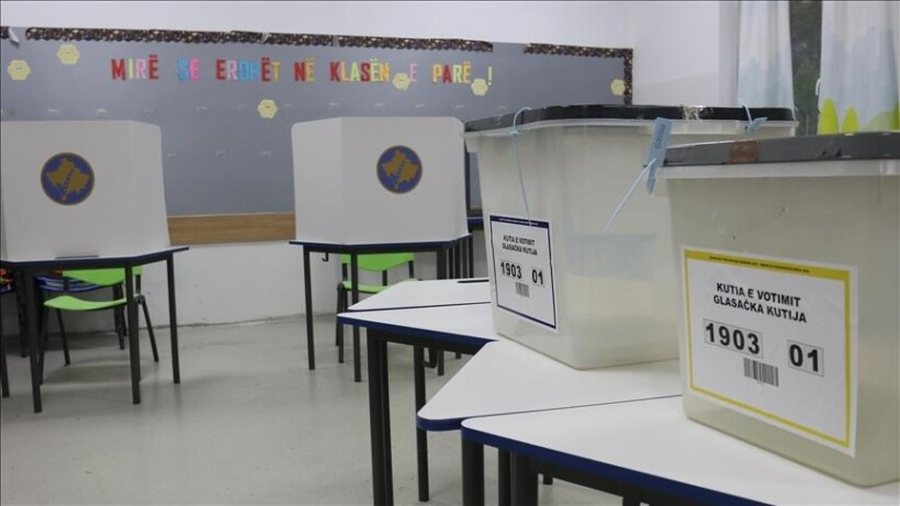
The November 9th runoff is seen as a signal for the progress of the government crisis in Pristina. If Vetevendosje comes out with a poor result again, the early parliamentary elections expected in December may not resolve the political impasse...
Kosovo heads to another electoral test on Sunday, at a sensitive political and institutional moment.
Citizens in 18 municipalities will vote for new mayors, in a runoff that goes beyond local dimensions and is seen as a test for the upcoming parliamentary elections. With the country on the verge of a possible dissolution of the Assembly and the inability to form a new majority, the November 9 elections have become the main indicator of the real strength of the Vetëvendosje Movement and the traditional opposition.
In the first round held on October 12, Vetëvendosje suffered a significant decline, winning only 3 municipalities: Podujevo, Kamenica and Shtime. Albin Kurti's party failed to triumph in any of the large cities, while in 12 other municipalities it goes to the runoff as the second force. The losses in important centers such as Pristina, Prizren and South Mitrovica have shaken the party structures and raised questions about the real influence of the government after three years in power.
In Pristina, the battle is more symbolic than ever. LDK’s Përparim Rama and LVV’s Hajrulla Çeku are separated by just 0.5 percent of the vote in the first round. PDK, with candidate Uran Ismaili, did not advance to the runoff, but its decision to remain neutral or support one side could determine the winner of the capital. A loss for Vetëvendosje here would be interpreted as a “punishment vote” for the government, which has been accused for months of stalling the dialogue with Serbia and of a lack of transparency in decision-making.
In Prizren, Gjakova, South Mitrovica and Vushtrri, the race is wide open and close results could be overturned by local coalitions. The PDK maintains positions in some of these areas, while the LDK is returning as a significant factor in its traditional municipalities. Ramush Haradinaj’s Alliance for the Future of Kosovo (AAK) holds the stronghold of Deçan and leads in four other municipalities, while maintaining influence in the Dukagjini region.
The Serbian List, on the other hand, remains consolidated in the north. It won 9 municipalities with a Serb majority in the first round and is going to a runoff in Kllokot, the only Serbian municipality where the race was not closed directly. This shows that the Serb communities in the north continue to vote as a bloc, maintaining local control, while the low turnout of Albanians in those areas remains a challenge for the Kosovo authorities.
In this fragmented political landscape, the November 9 runoff is seen as a signal for the progress of the government crisis in Pristina. If Vetevendosje again comes out with a weak result, the early parliamentary elections expected in December may not resolve the political impasse, but further deepen the division between the institutions. Analysts in Pristina warn that such a scenario would lead to a prolonged deadlock and difficulties in creating a new stable majority. /Pamphlet




Lini një Përgjigje