


 Shkruar nga Pamfleti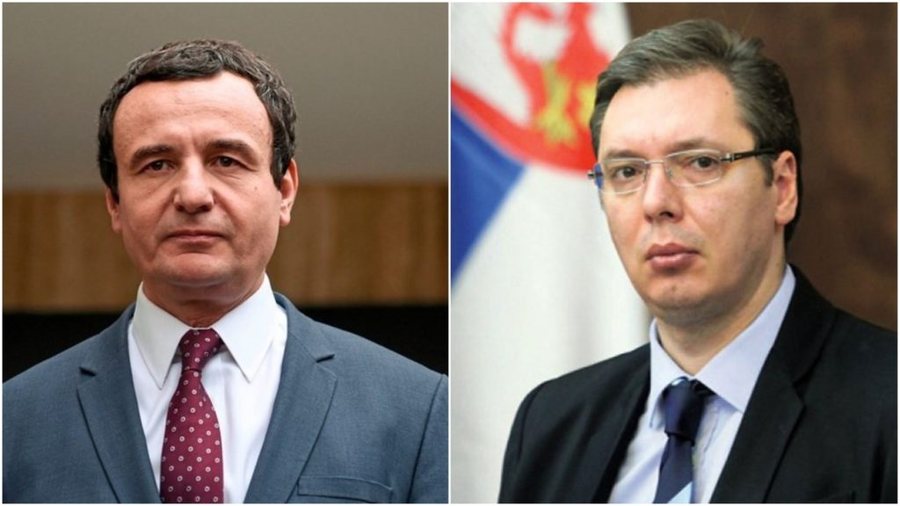
The only point that was said to have been agreed upon in Brussels by the prime minister of Kosovo, Albin Kurti, and the president of Serbia, Aleksandër Vucic, is the holding of early elections in the four municipalities with a Serbian majority in the north of Kosovo: North Mitrovica, Zveçan , Zubin Potok and Leposavić.
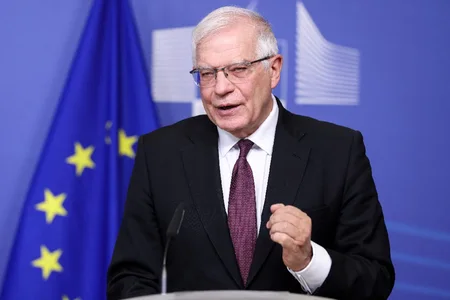
The two leaders held separate meetings with EU foreign policy chief Josep Borrell on June 22.
"The meeting focused not so much on what, but on how and when," said Borrell.
The EU and the rest of the international community have long been asking the Government of Kosovo to escalate the situation in the north.
This area became tense as early as the end of May, when the Albanian mayors of the Zveçan, Zubin Potok and Leposaviq municipalities entered the municipal facilities, despite the protests of the Serbian residents.
These facilities are also used by parallel Serbian authorities, while only in North Mitrovica, the municipality of Kosovo is separated from the one that functions under the Serbian system.
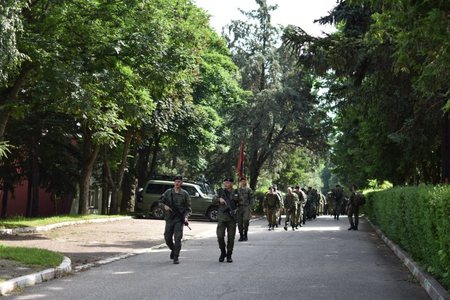
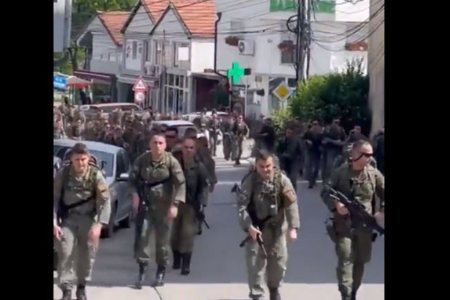
The protests culminated in violence on May 29 in Zveçan, where dozens of members of the NATO mission in Kosovo, KFOR, and dozens of protesters were injured.
From that time, the Kosovo Police arrested several Serbs suspected of acts of violence against police forces, KFOR members and journalists in the north.
The April elections, from which the Albanian presidents emerged, were boycotted by the Serbian community and its political representatives.
New elections and the participation of Serbs in them are now seen as a solution.
What did the EU ask for?
There are three main requirements that, according to the European Union, the Government of Kosovo must accept "as soon as possible".
One of them is the announcement of early elections in the north of the country.
Kurti agreed with this, but on the condition that they are "legal elections".
"Early elections cannot be held outside the law. As the law in Kosovo provides - let's take it, with the signatures of the citizens, who collect them through a petition, to complete the mandate of a mayor. This is a solution within the law", Kurti said after the meeting with Borrell in Brussels.
In a press conference the same day, the largest party of Kosovo Serbs, Lista Serbe, called for the "resignation of the Albanian mayors" as a path that could lead to new elections.
Earlier, Kurti said that he has no right to ask the elected presidents to resign, because it is a moral act.
In a statement for Radio Free Europe, Izmir Zeqiri, the current chairman of Zubin Potok, said that he is not thinking about elections, even though they are being mentioned.
"As resignation, why resignation? It's just that it's up to someone to tell me to resign, I'll resign, huh?", said Zeqiri.
"We see the legal ways, we don't think about the elections. Once we are working, we will work as much as we can", he said.
The other mayors of the northern municipalities were not available for comment on this matter.
Other requests for Kurt
Borrell also said that he asked Kurti to withdraw the special units of the Kosovo Police from the areas around the municipal facilities, where they are currently located.
Kurti u përgjigj duke thënë: “Policia nuk është afër godinave, por është brenda në ndërtesa”.
“Prania e tyre nuk është e dëshirueshme për ne, por është e obligueshme, duke pasur parasysh ekstremistët e dhunshëm që kanë qëlluar mbi ushtarët e KFOR-it, policët e Kosovës dhe gazetarët”, tha Kurti.
Borrell tha se ka kërkuar nga Kurti që edhe kryetarët e zgjedhur shqiptarë, të punojnë përkohësisht në ndërtesa alternative, e jo në ato komunale.
Aktualisht, kryetari i Mitrovicës së Veriut, Erden Atiq, është duke punuar brenda objektit komunal, ashtu si dhe Lulzim Hetemi i Leposaviqit.
“Ne ia përkujtuam zotit Borrell dhe zotit [Mirosllav] Lajçak [përfaqësues i BE-së në dialogun Kosovë-Serbi] se dhuna më e madhe që ka ndodhur, ka ndodhur në Zveçan, ku kryetari i komunës nuk ka qenë brenda në zyrë”, tha Kurti, duke përsëritur se kryetarët duhet të punojnë nga zyrat e tyre.
Vuçiç i heshtur ndaj kërkesave të BE-së
Me qëllim shtensionimin e situatës në veri, Borrell tha se ka paraqitur disa kërkesa edhe për presidentin e Serbisë, Vuçiç.
Një prej tyre është që protestuesit të tërhiqen nga ndërtesat komunale në veri, në të njëjtën kohë kur të tërhiqen njësitë speciale të Policisë së Kosovës.
Serbisë iu kërkua, po ashtu, lirimi i tre policëve të Kosovës, të arrestuar nga forcat serbe më 14 qershor, “në mënyrë të menjëhershme dhe pa kushte”.
Në Serbi ata dyshohen për “armëmbajtje pa leje”, ndërsa në Kosovë besojnë se ata janë arrestuar në shenjë hakmarrjeje për arrestimet në veri.
Në një konferencë për media, pas takimit në Bruksel, Vuçiç nuk u përgjigj në asnjërën prej këtyre kërkesave.
“Ne do të vazhdojmë të bisedojmë në baza ditore, sepse paqja dhe stabiliteti janë kyçe, por unë paralajmërova se serbët [në Kosovë] janë në një pozitë shumë të vështirë dhe se nuk duan ta durojnë terrorin e Kurtit në atë mënyrë që janë detyruar ta durojnë deri në këtë moment", tha Vuçiç.
Çka tha Lista Serbe?
Kryetari i Listës Serbe, Goran Rakiç, përshkroi disa hapa që, sipas tij, duhet të ndërmerren para se kjo parti të pranojë të marrë pjesë në zgjedhje.
Si hap kryesor, ai përmendi tërheqjen e njësisë speciale të Policisë së Kosovës nga veriu. Vakumi i sigurisë që do të krijohej me këtë, sipas tij, do të duhej të plotësohej nga KFOR-i dhe misioni i BE-së për sundimin e ligjit në Kosovë, EULEX.
Kërkesa e dytë, sipas tij, është amnistia për të gjithë serbët e arrestuar në dy-tre vjetët e fundit - qoftë për pjesëmarrje në barrikada apo në protesta të ndryshme kundër vendimeve të Qeverisë së Kosovës.
Shumica e këtyre të arrestuarve akuzohen për “shkelje të rendit kushtetues”.
“Ne nuk kërkojmë lirimin e kriminelëve, kërkojmë amnisti për personat e arrestuar që kanë marrë pjesë në protesta apo barrikada. Kjo është diçka që aplikohet kudo në botë, ku ka zona krize”, tha Rakiç.
E, si “kusht mbi të gjitha kushtet”, ai përmendi “fillimin” e formimit të Asociacionit të komunave me shumicë serbe.
For this association, Kosovo and Serbia have agreed since 2013, but the agreement has never been implemented. Official Pristina has repeatedly said that his broad powers would endanger the internal functionality of the state.
Radio Free Europe asked the Serbian List if it would accept any compromise solution for holding new elections in the north, but, until the publication of this text, did not receive an answer.
The Office for Kosovo in the Government of Serbia did not answer this question either./REL


Lini një Përgjigje