


 Shkruar nga Pamfleti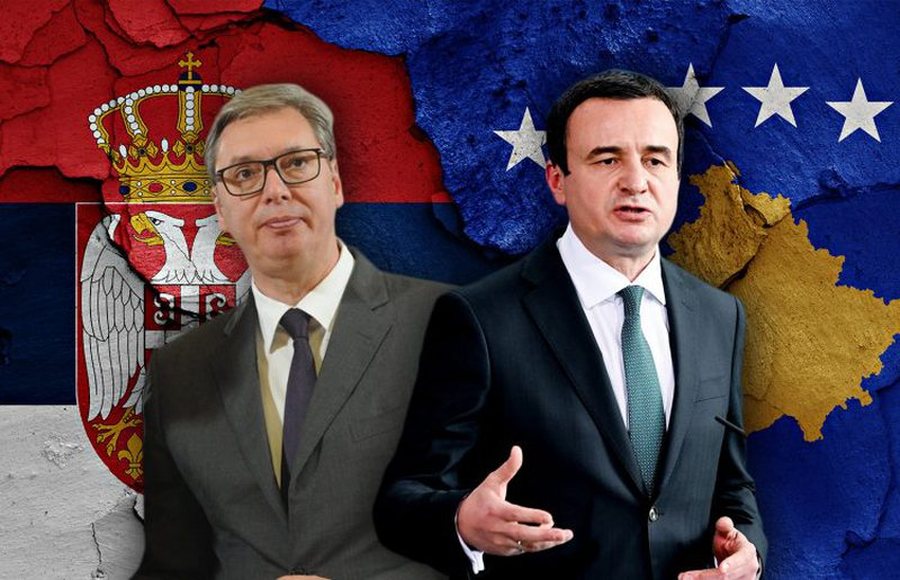
Analyzing all these factors, Kurti's decision on the Serbian dinar is a double-edged sword, which will either incite new unrest and conflict in the north of the country or further isolate Kosovo with new sanctions. A third scenario, where Kosovo comes out unscathed by this decision, exists, but is very unlikely to happen.
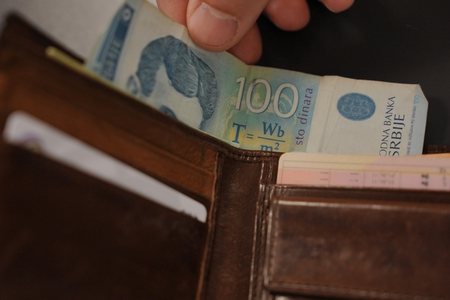
From February 1, the Central Bank of Kosovo put into effect new rules that remove the Serbian dinar from circulation, leaving the euro as the only official currency in the country.
This decision taken by the government of Albin Kurti has provoked a great reaction, both in Belgrade and in the international arena, with the latter criticizing this move, calling it hasty.
But despite the calls of allies from the USA, France, Germany, etc., Kurti did not withdraw from his decision-making.
The regulation has prompted an angry reaction from Belgrade and the political representatives of the Serbs in Kosovo, who estimate that this decision endangers the survival of the Serbian community, thus increasing the concerns of Western diplomats that it could incite new tensions.
But how real are the chances of a conflict in the north of Kosovo?
This decision by Kurt risks repeating tensions in the north of Kosovo. More or less, it is the same situation as with the decision to implement reciprocity with Serbia on the issue of Serbian license plates and identification documents, in 2022. Persistence which led the Serbian mayors of the municipalities in the north of Kosovo, North Mitrovica, Zveçan, Leposavič and Zubin Potok to resign, which then led to a series of riots in the North.
Also, the subsequent placement of Albanian mayors in these municipalities, after the non-participation of the Serbian List in the early elections, brought a new stalemate in Kosovo-Serbia relations.
Serbian citizens in these municipalities rose up in violent gatherings and tried not to allow new mayors to enter the institutions. In this situation, Kurti sent the police to introduce the new mayors to the municipalities, which further aggravated the situation.
The Serbs escalated their gatherings and as a result injured several KFOR peacekeeping troops. This is where Kurt's next clash with the internationals was born.
Despite the latter's request to remove the new presidents from the institutions until the situation calmed down, Kurti refused. Further, the Serbs declared that they want to participate in the elections and asked the international factor to dismiss the current presidents, which was rejected by Kurti.
So in September 2023, the European Union prepared restrictive measures against Kosovo, due to the failure of the government to take steps to reduce tensions in the municipalities in the north of the country, inhabited by a majority of Serbs.
This whole situation then culminated, on September 24, in the early hours of the morning, the Kosovo Police was attacked by a group of masked and armed persons while on their way to investigate the blocking of a road by two trucks without license plates in Banjska . As a result, the Kosovo policeman Afrim Bunjaku was killed, while several other policemen were injured.
After shooting at the police officers, the armed group took refuge in the monastery of Banjska, while the clashes with the Kosovo police continued. During the exchange of fire, the police killed three attackers of Serbian nationality, while arresting six others.
Having said all this, the decision, much opposed by internationals, may bring a conflict in the north of Kosovo. But unlike last year when the US and partners were focused on only one war front and keeping a possible conflict in the Balkans under control could be simpler, this time things have changed.
The US and the EU are facing two major war fronts in Ukraine and Gaza. Conflicts which have opened a big problem for you both geopolitically and economically, considering that they are financing both and Kurti's whims will probably not pass so easily in their eyes.
Analyzing all these factors, Kurti's decision on the Serbian dinar is a double-edged sword, which will either incite new unrest and conflict in the north of the country, or further isolate Kosovo with new sanctions. A third scenario, where Kosovo comes out unscathed by this decision exists, but is very unlikely to happen./ Pamphlet



Lini një Përgjigje