


 Shkruar nga Pamfleti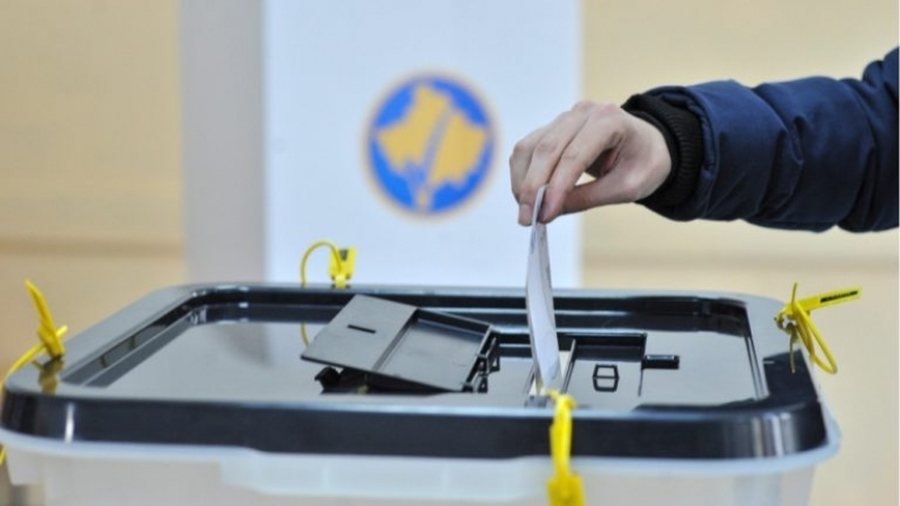
The Government of Kosovo is expected to complete the by-laws that pave the way for the petition for the dismissal of the mayors in the north of Kosovo and the announcement of new elections.
Through this document, it is expected to determine the rules on how to organize the petition, which would enable the citizens of the municipalities to dismiss their mayors.
But Albanian and Serbian analysts say that the petition is not expected to solve the problem in the north of Kosovo.
The Serbian political scientist from North Mitrovica, Ognjen Gogič, tells VOA that the Serbs will not submit to the petition because, according to him, they do not want to participate in any election without their demands being met.
"So the Serbian community in the north does not want to participate in the new elections, regardless of which way it will go, either through a petition or through the resignation of the mayors of the municipalities. As for the petition, the Serbs will not participate to collect the signatures because this means returning to the institutions of Kosovo, which they still do not want because some conditions that have been presented have not yet been met," he said.
Eugen Cakolli from the Democratic Institute of Kosovo, says that the government's document is not sufficient to enable the development of procedures and that it contradicts the law on local self-government. He says that going to the election through a petition will drag out the entire election process.
"Problematic is the fact that in order to administer such a process as a whole and to have new mayors in the northern municipalities, we may need at least four to six months of time if all nominal procedures are followed as provided by the instruction administratively and then based on international norms and standards, within what period the voting process for the removal of the presidents should be organized", he said.
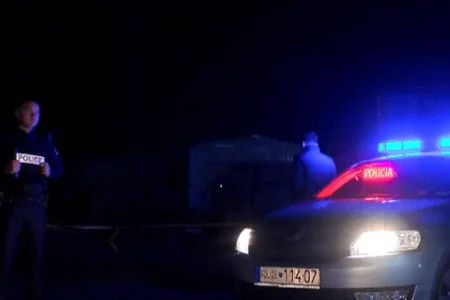
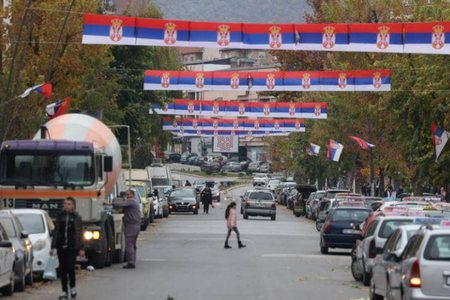
The new elections in the north are part of steps to reduce tensions that erupted after the Albanian mayors who emerged from the April 23 elections boycotted by the Serbs were sent to the offices of the northern municipalities with the support of the police.
Mr. Cakolli says that the best solution would be the resignation of the current mayors, since through the petition there is no certainty that the participation of the Serbian community in the removal of the mayors can be followed by participation in the election of new mayors.
"In this way, we will be able to reach the point where even though a voting process is administered and the procedures are carried out, in fact we only return to the same point where the new mayors are potentially elected from the ranks of communities other than the Serbian ones and who are then expected to be dismissed by the side of the Serbian citizens, knowing how compact they are in terms of demographics, but also that of the incitement by the Serbian List or Belgrade officials to vote for the removal of the current mayors", he said.
At the beginning of June, the European Union requested the reduction of tensions through the suspension of police operations in the north, the relocation of mayors to alternative offices and the announcement of early elections with the unconditional participation of Kosovo Serbs.
Qeveria e Kosovës tashmë ka përgjysmuar praninë e njësive të policisë në ndërtesat komunale në veri dhe është pajtuar për organizimin e zgjedhjeve të reja.
Politologu Gogiç thotë se udhëheqësit e Kosovës dhe Serbisë po dëshirojnë të mbajnë sa më gjatë krizën në veri në mënyrë që të mos përmbushin detyrimet për të cilat janë zotuar.
“Pra edhe njërit edhe tjetrit i konvenon kjo situatë pasi që nuk është më shumë dramatike, kështu që tani është e durueshme, nuk është në atë nivel që mund të ndodhin disa incidente të dhunshme, mendoj se kjo është për Prishtinën, serbët në veri dhe Beogradin situatë më e favorshme sepse kjo situatë në veri u mundëson edhe Beogradit edhe Prishtinës të mos përmbushin detyrimet që dalin nga marrëveshja e Brukselit dhe Ohrit”, tha ai.
Mr. Gogic says that the best way to overcome the crisis in the north of Kosovo is through increased pressure from Western countries by suspending visa liberalization for Serbia and Kosovo.
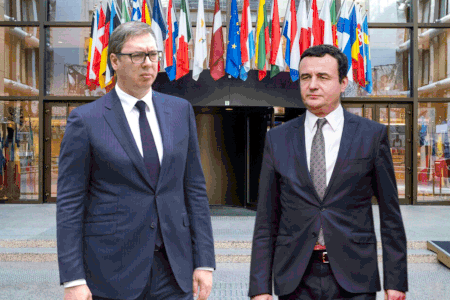
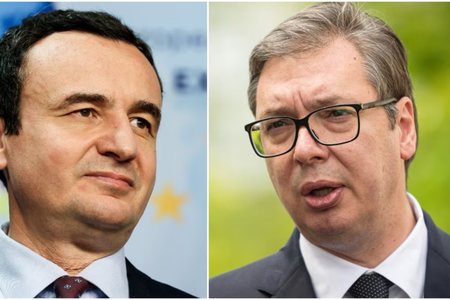
The European Union has announced for September 14 a high-level meeting between Kosovo and Serbia in Brussels, where solutions will be sought for the current situation between the two countries./rel


Lini një Përgjigje