


 Shkruar nga Pamfleti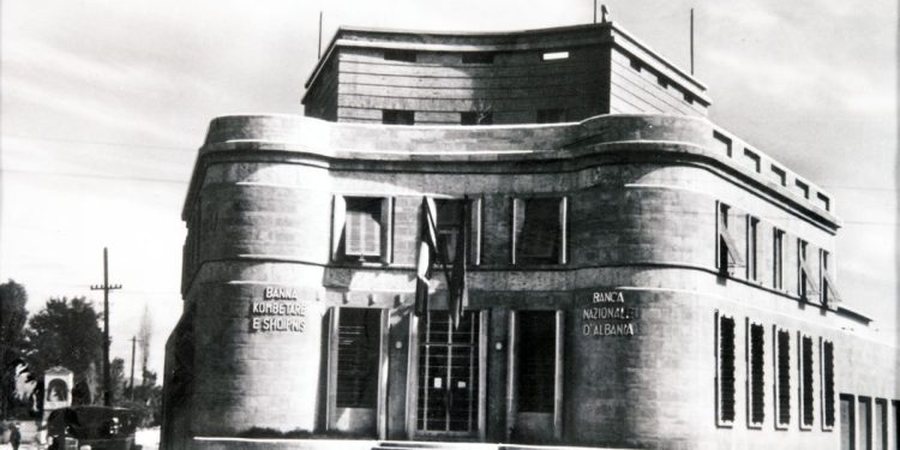
On the morning of Saturday, September 12, 1931, Dhimitër Maksakuli, a well-known and respected man in the city of Durrës, greeted his colleagues and left the door of the National Bank. As usual, he kept his cool demeanor, like a person who had earned everyone's trust. No one suspected that behind that regular face, a diabolical plan was hidden that would shake not only the city, but all of Albania. With a car waiting for him outside, Dhimitri climbed up calmly, and the vehicle with two drivers immediately headed to Tirana. It seemed like a simple trip, but this was just the beginning of a detailed plan that Dhimitri had been preparing for weeks.
In his pockets, the biggest secret of the day was hidden: 120,000 gold francs, which he had just taken from the bank vault, where he had worked for years. In Tirana, the day passed without any particular event. Dhimitri seemed to be deep in thought, spending the afternoon in various cafes. Drinking coffee and observing the people around him, he knew very well that his every move was being carefully calculated.
At 20:00 in the evening, he decided to leave the capital and return to Durrës. But his movements had not gone unnoticed. While his car was moving on the Tirana-Durrës road, a police checkpoint, already informed about the situation, stopped the vehicle. The police officers had received the news about a large lack of money at the National Bank in Durrës and, although they did not know exactly who was responsible, they felt that something suspicious was happening with this group of people who traveled in the hours of the night.
Dhimitri and all the people who were with him in the car were immediately escorted to the police station for a deeper investigation. At that time, in Durrës, the National Bank was in chaos. Bank officials had discovered a shocking shortage of 120,000 gold francs and, horrified by this huge figure, immediately reported the incident to the police. While Dhimitri was interrogated in Tirana, the police forces of Durrës went to his apartment, but found nothing to suggest his presence. A close friend of Dhimitri, who was at home at that moment, informed the police that Dhimitri had left for Tirana. This was the moment that made it clear to investigators that they were dealing with a well-thought-out scheme.
In Tirana, Dhimitri faced difficult questions from the investigators. Initially, he denied any involvement in the robbery and admitted that he had only received an amount of 14,000 gold francs. The money he claimed to have received was found on him at the time of his arrest, but the investigators were not convinced. Over time, and under the pressure of the investigation, Dhimitri began to break down. He confessed that he had received between 50 and 60 thousand francs and that the money had been shared with several other associates: Vasil Keron, his cousin Gjergj Maksakuli and another friend, Harallamb Martopulo. This confession opened a new wave of investigations and arrests.
The Spectacular Escape
On Sunday night, around 20:30, Dhimitri and his group left for Durrës, accompanied by two police cars and four armed officers. All the suspects were handcuffed and under heavy surveillance. The trip seemed to end without any major incident, but what happened next would add to the suspicions. At one point, between Durrës and Rrashbulli, Dhimitri, who was in one of the police cars, did something unimaginable. Courageously, he jumped from the car, which was moving at a speed of 60 kilometers per hour, in a desperate attempt to escape from the hands of the police and justice too.
Police officers immediately stopped the car and began searching the area, but Dhimitri seemed to have disappeared into the darkness. The police stationed in the area of Rrashbulli were immediately informed and the search was expanded, but for a moment, they failed to find Maksakul. This event shocked the authorities and the public opinion, as it had never happened in Albania, that a man did not only a spectacular theft, but also an equally spectacular escape.
The question that tormented the police was whether I jumped from the car, was it an escape plan or a suicide plan?! Various hypotheses began to circulate: some believed that he might have died from injuries sustained while being thrown from the car, while others thought that he was healthy and had found a way to hide in the area.
After his dramatic attempt to escape, jumping from the police car, on the road between Durrës and Rrashbulli, Dhimitër Maksakuli managed to disappear for a short time. After this escape, he began to move secretly, hoping to reach a safe place where the authorities could not catch him. After this escape, he began to move secretly, hoping to reach a safe place where the authorities could not catch him.
I plagosur nga goditja që kishte marrë në trup, gjatë hedhjes nga makina e policisë, ai arriti të gjente një kamion në rrugën drejt Kavajës, i cili e transportoi deri në Rrogozhinë. Atje, ai tërhoqi vëmendjen e komandantit të rrethit, i cili e njohu menjëherë dhe urdhëroi arrestimin e tij. Maksakuli u dorëzua pa rezistencë dhe u dërgua menjëherë në qeli, duke i dhënë fund kështu përpjekjes së tij të dështuar, për t’i shpëtuar drejtësisë.
Gjyqi ndaj Maksakulit
Hetimet, zbuluan pjesën më të madhe të parave të vjedhura. Plot 90 mijë franga, u gjetën të fshehura, ndërsa 30 mijë, ende mungonin. Banka vazhdonte të insistonte, se shuma e vjedhur ishte 120 mijë franga ari, por çështja nuk ishte mbyllur ende. Gjykimi që pasoi, ishte një nga më të bujshmit e kohës. Në dhjetor të vitit 1932, Dhimitri Maksakuli dhe bashkëpunëtorët e tij, dolën para drejtësisë, të akuzuar për vjedhjen e 133 mijë e 800 frangave, ari.
Në gjykatë, avokati i Bankës Kombëtare, Kristo Floqi, e përshkroi ngjarjen, si një nga krimet më të mëdha dhe të paturpshme, që kishte parë ndonjëherë vendi. Ai kërkoi një dënim shembullor, për të gjithë të akuzuarit, duke theksuar se ky krim tronditi gjithë Shqipërinë dhe komprometoi ndershmërinë e nëpunësve të bankës.
“E para herë, po përsëris, zotnij gjyqtarë, që sillet para një gjykate shqiptare, një delikt kaq i poshtërm që shungulloj anë e kant, në të katër cepat e Mbretnisë s’onë e, që habiti e tronditi ambientin shqiptar, për guximin dhe paturpësinë që patnë disa shqiptarë nëpunës të subvensionuem të kësaj banke të cilën, e grabitnë me mënyrën më të ma të dobët dhe të dënushme, me mënuyrën ma të egër e barbare, gja që drejtuesit e bankës, as e kishin imagjinue se mund t’ju shkaktohej prej njerëzve të besimit të saj, prandaj duhet që drejtësia të lozë rolin më të madh, të veprojë strikt e pamëshirë, që kështu të meritonjë vërtet dignitetin e prestiozhin që i ka besue statuti e kombi i jonë. Duhet të tregoni gjithë rëndësinë e vigorin tuaj, që dënimi i këtyne të jetë shëmbëll, për brezat tonë të ardhme dhe një mësim i mirë, për atë që pretendon të jetë nëpunës dhe të përfitojë besimin e superiorëve të tij, që i ngarkojnë një barrë”.
Kristo Floqi, Avokat i Bankës Kombëtare
Në gjyq u dëgjuan shumë dëshmi dhe rrëfime kontradiktore. Dhimitri mohoi që të kishte ndonjë bashkëpunëtor, por dëshmitë e tjera, e përgënjeshtruan këtë.
Bashkëpunëtorët
Në këtë histori të bujshme të grabitjes së parë të një banke në Shqipëri, një element intrigues, që tërheq vëmendjen, është fakti se Dhimitër Maksakuli dhe bashkëpunëtorët e tij, ishin të gjithë nga e njëjta zonë: fshati Kakodhiq i Delvinës. Ky detaj, nuk u cilësua thjesht si një koincidencë, nga akuza gjatë gjyqit, por kishte rëndësi të madhe, në ndriçimin e dinamikës së marrëdhënieve mes tyre dhe mënyrës se si ky komplot i sofistikuar, u krijua dhe u ekzekutua.
Dhimitër Maksakuli, një njeri i lindur dhe rritur në Kakodhiq, kishte lidhje të ngushta me shumë nga banorët e tij. Bashkëpunëtorët kryesorë në këtë grabitje – Vasil Kero, Gjergj Maksakuli dhe Harallamb Martopulli – ishin të gjithë nga i njëjti fshat. Këto lidhje të ngushta familjare dhe miqësore, kishin bërë të mundur që Dhimitri të krijonte një rrjet bashkëpunëtorësh të cilët, do ta ndihmonin në realizimin e planit të tij të guximshëm. Plani parashikonte që dy bashkëfshatarët e tij, që e prisnin në makinë jashtë bankës, ta transportonin atë pas grabitjes, deri në kufirin me Jugosllavive, ku zakonisht arratiseshin ata që donin t’i shpëtonin drejtësisë shqiptare.
Një pjesë e rëndësishme dhe intriguese e kësaj historie, ishte roli që Sofia Nikolla, e dashura greke e Dhimitër Maksakulit, luajti në këtë grabitje të madhe. Sipas dëshmive dhe hetimeve të bëra në atë kohë, marrëdhënia e tyre dashurore, ishte një ndër faktorët që ndikuarën Maksakulin në vendimin e tij, për të kryer këtë krim të guximshëm.
Hetimet treguan se Maksakuli ishte thellësisht i lidhur me të, dhe shpenzimet e tij financiare ishin të mëdha, për të përmbushur kapriciot e saj. Gjatë gjyqit rezultoi, se ai kishte harxhuar shuma të mëdha parash vetëm për dhurata dhe për t’i bërë qejfin të dashurës së tij. Një rast i veçantë ishte përshkruar në dëshmi, ku ai i kishte dhënë një berberi në Shkodër, 3 napolona, për një rruajtje të thjeshtë – një shpenzim që tregonte pasurinë që ai ishte i gatshëm të derdhte, për të imponuar statusin e tij para Sofisë. Lakmia për para, bashkë me dëshirën për të kënaqur Sofinë, u vlerësuan në gjyq, se ishin katalizatori kryesor që e çoi atë drejt grabitjes së madhe të Bankës Kombëtare, që kishte vetëm pak vite që ishte krijuar.
Përfundimi i gjyqit
Pas një gjyqi të gjatë dhe të bujshëm, Dhimitër Maksakuli dhe bashkëpunëtorët e tij, u përballën me drejtësinë për vjedhjen e Bankës Kombëtare të Shqipërisë në Durrës, që kishte tronditur vendin, në vitin 1931. Gjyqi u zhvillua në dhjetor të vitit 1932, dhe përfundoi me vendimin e drejtësisë, më 21 dhjetor të po atij viti.
Vendimi për Dhimitër Maksakulin, ishte i ashpër, duke qenë se ai konsiderohej si krye-organizatori i grabitjes. Ai u dënua me 14 muaj e 15 ditë burg, si autor kryesor i vjedhjes. Përveç dënimit me burg, Maksakuli u ngarkua edhe me detyrimin, për të kthyer pjesën e mbetur të parave, që nuk ishin gjetur. Nga shuma e vjedhur prej 133 mijë e 800 frangave ari, u gjetën vetëm 116 mijë e 471 franga, dhe ai u ngarkua me përgjegjësinë, për të kthyer 17 mijë e 329 frangat e mbetura.
As for his accomplices: Vasil Kero, Gjergj Maksakuli, and Harallamb Martopulli - who were involved in the robbery and helping Maksakuli - were sentenced to 50 days in prison each. The punishment for them was lighter, since they were considered more like secondary collaborators than main organizers. The two drivers who had helped to transport Maksakul and the money, were described as accomplices, and not main accomplices in crime, which favored them during the trial, receiving a lighter sentence.
In his closing speech, the lawyer of the National Bank, Kristo Floqi, expressed his displeasure with the court's decision, in the light punishment of the collaborators, stressing that they were an important part of the conspiracy and should be punished more severely. But the Durrës court, presided over by Dragodin Rodiqi, took into account the circumstances of each accused and came to the conclusion that Maksakuli was the main person who should receive the most severe punishment.
In the end, this historic trial ended with the punishment of the robbers, but the whole case was not completely closed. Dhimitri was sentenced to 14 months in prison, while his accomplices received lighter sentences. The time in detention that Dhimitri had spent, caused him to be immediately released from prison. But the enigma of the remaining lost money and his spectacular escape would remain for a long time in the minds of those people who heard or knew about that event.
Even after his release from prison, Dhimitër Maksakuli continued to face court demands to return the remaining amount of money, and he was arrested again in November 1933 to serve another part of his sentence. , serving an additional 3 months of imprisonment. In this way, the story of the first and sensational bank robbery in Albania is also closed... that in the following years, it would not be the only one...!/ Memorie.al





Lini një Përgjigje