


 Shkruar nga Brady Knox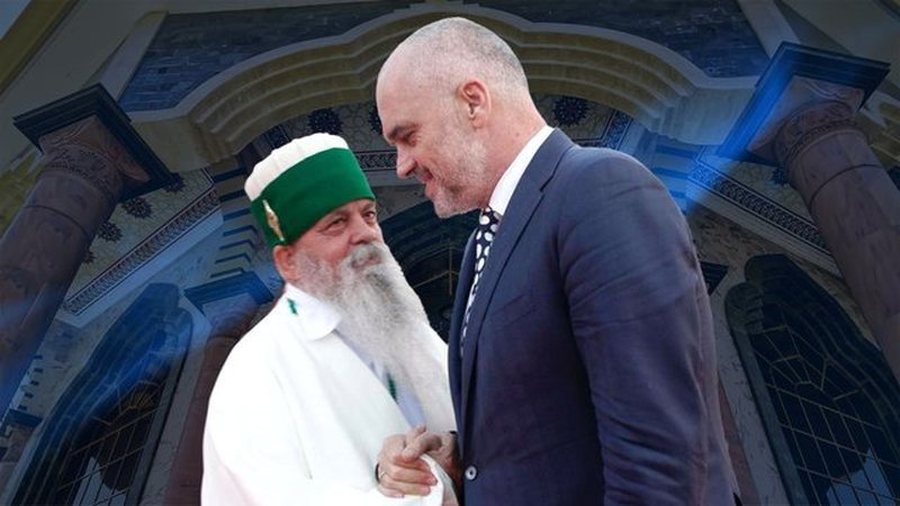
It is no surprise, then, that the biggest supporter of giving them their own country is Albanian Prime Minister Edi Rama, a converted Catholic. He announced the planned creation of the state in a speech to the United Nations on September 21, 2024...
A little-known Islamic sect is seeking to create its own state in Albania, similar to the Vatican state.
There are over two billion Muslims in the world today, comprising approximately 1/4 of the global population. The vast majority, 87%-90%, are Sunni Muslims, while the remaining 10%-13% are Shia Muslims. These can be further divided into smaller heterodox sects, including the Ismailis, the Alawites, and the Druze. One of the smaller sects is the Bektashis, an esoteric Sufi order generally considered to be under the Shia umbrella.
Bektashis constitute a small percentage of the Muslim population; estimates of the total number of Bektashis vary widely from 7 million to 20 million.
Despite their small numbers, the Bektashis will form the world's newest country – a first-of-its-kind Islamic microstate in Tirana, the capital of Albania.
The origin and influence of Bektashism
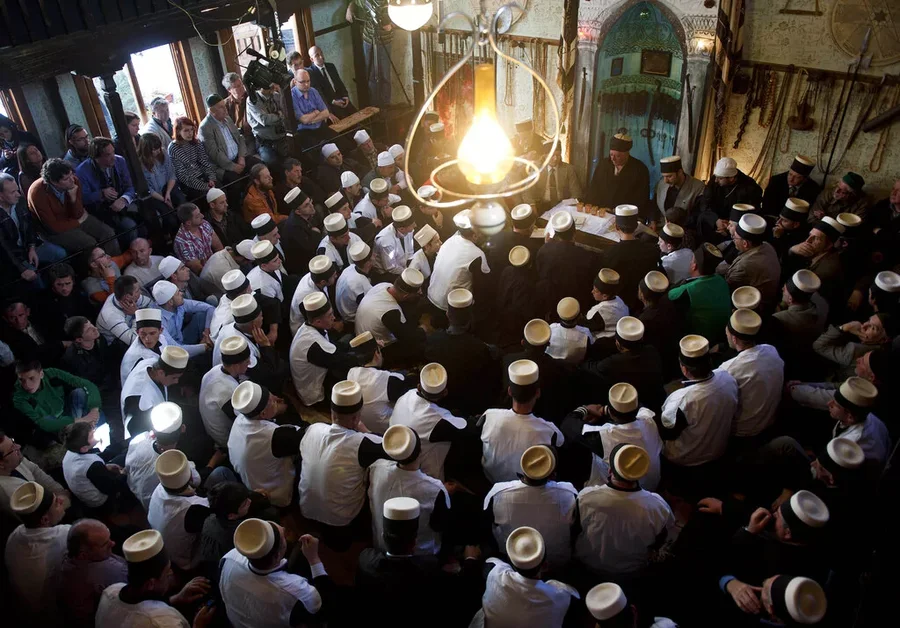
The name of the Bektashi Order comes from Hajji Bektash Veli, a 13th-century Sufi mystic. The belief system evolved to become a tolerant, humanistic syncretic combination of Shia Islam, Christianity, and pre-Anatolian religions. It gained prominence as the official religion of the Janissaries, the elite infantry of the Ottoman Empire composed of enslaved Christian boys from the Balkans. Many Albanians converted to the Bektashi, aided by its lax approach to ritual and religious tolerance.
After Sultan Mahmud II suppressed the Janissaries in 1826, he launched an empire-wide crackdown on the faith. The organization survived in Albania and rural Anatolia until it was expelled from the latter in 1925 by Mustafa Kemal Atatürk, the secular founder of the modern Republic of Turkey. The faith's headquarters were moved to Albania.
The order found itself persecuted once again after World War II, when the communists took power under dictator Enver Hoxha. All religions were persecuted under the new atheist state, sending Bektashism underground. The fall of communism in the 1990s brought Bektashism back into the limelight and back into public good graces.
The head of the Bektashi Order, Baba Mondi, claims that 50% of Albania’s population are Bektashis – the true total is around 5%. What is not disputed is the religion’s widespread popularity in Albania, with good relations with Catholics, Orthodox Christians and Muslims. Bektashism is commonly held up as a symbol of Albania’s religious tolerance and good works, often praised alongside the Albanian Catholic saint Mother Teresa.
Part of their popularity stems from their key role in the development of Albanian nationalism in the 19th and 20th centuries, according to Professor Ayfer Karakaya-Stump, an expert on Bektashism who works with the Alevi Cultural Center of the Midwest. Mondi served as an officer in the Albanian People's Army for nearly a decade.
The Bektashis are particularly unique among Muslims for their socially conservative beliefs, such as their acceptance of alcohol consumption. They speak well of all other religions, have a good relationship with Israel, condemn all violence, and avoid politics. Despite the small number of its adherents, Bektashiism is often called the only true "national religion" of Albania.
It is no surprise, then, that the biggest supporter of giving them their own country is Albanian Prime Minister Edi Rama, a converted Catholic. He announced the planned creation of the state in a speech to the United Nations on September 21, 2024.
"Albania may be a small country, but it has given the world good examples. We have shown it with the Jews, with the Afghans, we have given the world the youngest saint, Mother Teresa, whose life embodied love for humanity, reminded us that not all of us can do great things, but we can do small things with great love. This is the principle that Albania seeks to transform the Bektashi World Order Center, into a sovereign state within Tirana, as a new center of unity and peaceful tolerance," he said.
A more cynical reading of Rama's move is an attempt to counter his weak image internationally.
If created, the Sovereign State of the Bektashi Order would be the smallest state in the world, thus taking the title from the Vatican.
The Bektashis are also closely related to the Alevis, a syncretic heterodox Islamic ethno-religious group, residing mainly in Turkey. The Alevis are primarily Çelebi, who believe that Veliu, the original Bektashi mystic, had biological descendants, while the Albanian Bektashis belong to the Babagan branch, who believe that he was celibate. The relationship between the two is complex.
Although Rama showed his support, becoming the next country in the world is a complicated matter.
Në vitin 2025, disa territore të konsiderueshme me qeveritë e tyre, ushtrinë dhe shërbimet sociale nuk njihen si shtete. Këto janë pothuajse të gjitha shtetet secesioniste që pretendohen ende nga kombi i tyre amë, si Osetia e Jugut dhe Abkhazia e Veriut në Gjeorgji dhe Transnistria në Moldavi – të cilat gëzojnë mbështetjen e Rusisë. Kosova gëzon njohjen e pjesës më të madhe të botës perëndimore, por ende pretendohet nga Serbia.
Ndërsa përkufizimi i saktë i asaj që e bën një shtet është i ndërlikuar, njohja universale ose pothuajse universale është një provë e mirë lakmusi. Sfida e parë e Shtetit Sovran të Rendit Botëror Bektashi do të jetë fitimi i njohjes së gjerë. Kjo do të jetë një detyrë më e lehtë se vendet e lartpërmendura, pasi territori i saj po ofrohet me dëshirë nga vendi pritës. Gjithashtu ka të ngjarë të gëzojë mbështetjen e superfuqisë më të madhe në botë.
"Jashtëzakonisht i lartë. Nuk e kuptoj pse nuk do ta bëjmë", u përgjigj kolumnisti dhe eksperti i politikës së jashtme Michael Szanto kur u pyet nëse SHBA do ta njihnin shtetin e ri. "Ata janë një mik shumë i mirë për ne dhe Izraelin. Ata janë një mik shumë i mirë i Evropës gjithashtu. Ata janë një anëtar shumë krenar dhe i lumtur i NATO-s”, tha ai.
Szanto shtoi se Shqipëria madje luftoi kundër ndikimit sovjetik gjatë Luftës së Ftohtë, por vetëm për t'u bërë më izolacioniste.
Një tjetër aleat në baza më të lëkundshme me SHBA-në, Turqia, mund t'i japë njohjen e shumëdëshiruar shtetit bektashi. Megjithëse presidenti turk Rexhep Tajip Erdogan shihet shpesh si një sunit i vijës së ashpër, ai është nxitur për t'i dhënë grupit liri dhe njohje më të madhe brenda Turqisë, tha Szanto.
Profesori Karakaya-Stump tha se qasja e Turqisë është e vështirë të merret me mend, me dy impulse politike konfliktuale në lojë. Alevitë përbëjnë diku nga 10-20% të Turqisë dhe kryesisht abonohen politikisht ndaj nacionalizmit laik ose majtizmit laik, duke i vënë ata në kundërshtim me nacionalizmin fetar të Erdoganit.
Nga njëra anë, armiqësia e Erdoganit ndaj alevive mund ta shtyjë Turqinë të avokojë kundër një përfaqësuesi të tyre në skenën ndërkombëtare. Por Karakaya-Stump i bëri jehonë një teorie tjetër, se krijimi i një shteti bektashi mund të ishte një mënyrë për të zgjeruar ndikimin e Ankarasë në Ballkan.
Karakaya-Stump tha se "Qeveria turke, në politikën e saj të jashtme kundrejt Ballkanit, thekson të kaluarën turke të Ballkanit. Ata po përpiqen t'i përvetësojnë këto vende historike bektashiane si një trashëgimi turke, osmane".
Megjithatë, shteti bektashi mund të ushtrojë ndikimin e tij në një mënyrë tjetër që është shprehur nga disa analistë. Alevitët kanë gjetur një shkak simpatik në gjendjen e vështirë të alavitëve sirianë, një tjetër grup heterodoks islamik që i nënshtrohet persekutimit nga shumica sunite. Pas rënies së qeverisë së Asadit më 8 dhjetor, popullsia i është nënshtruar persekutimit dhe pogromeve, të tilla si vrasjet masive në mars.
Turkey is the biggest supporter of the new government.
Only states can bring another state before the International Court of Justice, leading some to speculate that the Bektashi state could file a human rights abuse case against Damascus.
The battle for recognition is likely to be decided in the Muslim world, with other major Muslim powers, including Pakistan and Saudi Arabia, playing a key role. Iran, which could oppose the country on religious grounds, could simply be ignored altogether.
According to Szanto, the US "maybe doesn't care if Iran opposes it. But if the major players in the Muslim world, even from Pakistan ... and the major figures in the Muslim world who are reasonably major positive figures, don't oppose this, I certainly don't see why we would oppose it when it's being sponsored by a country that is very friendly to the United States and to NATO."
Szanto dismissed concerns that the small state could become a tax haven or a vehicle for money laundering. He argued that business interests would see the manipulation of a religious group as too great a risk.
"If their plan to be recognized at the UN were successful, it would not be a viable channel for money laundering or a tax haven because it would be very easily regulated by major economies around the world. And by that I mean primarily legislation and then executive action," Szanto added.
Szanto described one way in which the Bektashis could exert great influence, even though they constitute only a small portion of Muslims, comparing them to the Catholic Jesuit movement or the Chabad movement within Orthodox Judaism. In both cases, the small group exerts much greater influence beyond their numbers, with many non-Catholics going to Jesuit schools for a good education. The Bektashi state could exert a similar kind of influence.
“I think even Muslims who may not want to accept the religious teachings of this group can still be inspired by the positive, peaceful, multi-faith aspects, the idea of transcending the divide between different religions and embracing different cultures and religions,” he argued. /Adapted from the Washington Examiner/






Lini një Përgjigje