


 Shkruar nga Pamfleti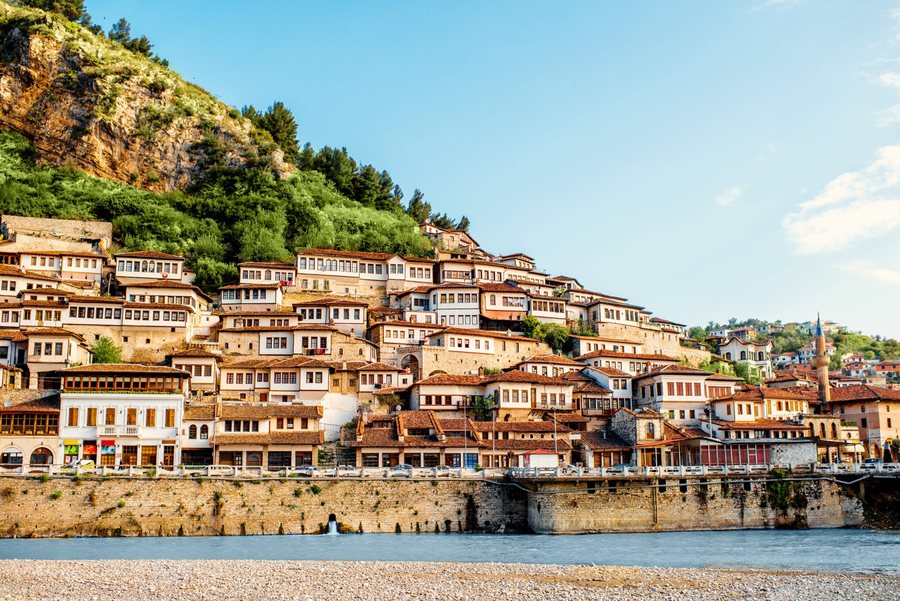
Albania's population was reduced by over 31.8 thousand people, or about 1.1%, in 2022, but some counties had a decrease almost three times more than the national average.
Apart from Tirana, the population of all districts was decreasing, but in those of Gjirokastra, Berat, Dibra and Lezha the reduction was stronger than in the others.
INSTAT data, which take into account the annual calculation of the population, show that the population of Gjirokastra had the strongest annual decrease of 3.5%. This county has the worst demographic indicators in the country due to the aging of the population.
High rates of death, departures and declining births are driving Gjirokastra towards extinction, even though the county is one of the most popular destinations for tourism.
Berat ranks second with the strongest annual population decline of around 3.1%. The population of this district was reduced by over 3,600 people within one year.
In the last decade, Berat is undergoing a stronger demographic transition than other counties. These developments are being reflected in the stronger population reduction that is also lowering the birth rate.
Berat is one of the regions with the greatest tourism potential. The 2000-year-old city is absorbing thousands of tourists from all over the world every year, as the surrounding mountains, Osum's canyons and the potential for agricultural development are motives to increase the area's population and not to shrink it.
On January 1, 2021, INSTAT calculated the population of Berat at 111,431 inhabitants from 115,050 that was on January 1, 2021.
After Berat, the highest rate of population decline was in Dibër with 2.9%. Although the district was connected to the Capital through a new road that shortened the distance to a little more than an hour, the area is still being rapidly abandoned even though the country has a great tradition and potential of natural resources in industry and tourism.
After Dibra, Lezha had the highest rate of population decline with 2.6% within one year. The county, which has a coastal tourism boom that has been booming in recent years, shrank by 3,100 residents last year, as businesses in the area are desperate for workers.
Elbasan (2.5%), Fier (2.4%) and Korça (2.5%) counties also had a decrease in population more than the national average.
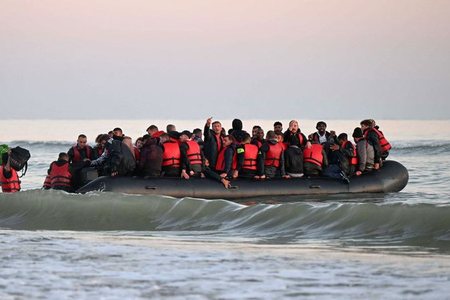
Population decline is the most serious problem facing the country in the fourth decade of transition. Immigration was strong in the last three decades, but now that the total population has declined significantly and is aging, the effects of the drain are very visible.
The lack of human capital has become an emergency for the business community, who are listing it as the main concern.
Since population and housing were last recorded in 2011, the country's demography has undergone major changes due to emigration and internal movements.
Indirect measurements of INSTAT show that 230,000 to 600,000 people left the country during the last decade.
During this period, there were large displacements of the population from the districts towards the center of the country. The government, which is the largest economic operator, seems to be making investments in some areas that in the next ten years will not have any residents./Monitor






Lini një Përgjigje