


 Shkruar nga Pamfleti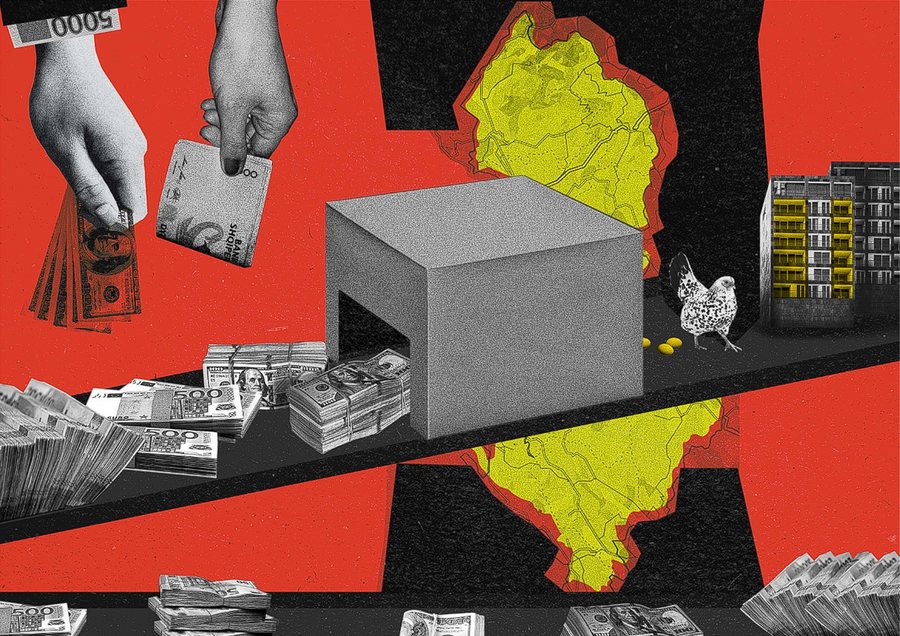
In some cases, the use of international networks operating in several countries has been identified, where the functions of generating criminal proceeds, transferring them and reintegration into the economy are divided between different structures...
SPAK has published its annual report for 2025, where it scanned criminal activities over the past year. In the annual report, SPAK reveals how criminal groups launder money in the Albanian market, while also highlighting sophisticated schemes. The analysis of the investigations shows the use of cryptocurrencies, the "Hawala" system, shell businesses and investments in real estate to hide criminal proceeds.
Analysis of cases investigated in recent years shows that structured criminal groups use an integrated money laundering model, directly linked to the main criminal activities that generate income. The main sources of these profits are drug trafficking, arms trafficking, illegal immigration, human trafficking and fraudulent financial schemes.
According to investigative data, money laundering schemes are characterized by the diversification of transfer channels and the masking of funds. For this purpose, informal money transfer systems such as "Hawala", the use of cryptocurrencies, intensive cash circulation and the fragmentation of transactions to avoid financial reporting are used.
In some cases, the use of international networks operating in several countries has been observed, where the functions of generating criminal proceeds, transferring them and reintegration into the economy are divided between different structures. Communication for the coordination of these actions is often carried out through encrypted platforms and through specialized financial intermediaries.
Front businesses and financial intermediaries
A recurring practice in several investigative cases is the use of formally legal commercial entities to conceal the circulation and recycling of criminal funds. These schemes have included currency exchange offices, money transfer companies, travel agencies, construction companies and various commercial entities, as well as non-bank financial structures.
These businesses serve not only for the deposit and distribution of large sums of money, but also for the creation of fictitious documentation that justifies the origin of the funds. Another characteristic identified is the way in which the benefits are distributed within criminal networks.
According to the cases analyzed, people who transfer and transport money usually benefit from 3 to 10 percent of the amount transferred. In many cases, about 5–6 percent of the amount goes to coordinators in the country of origin and destination, while physical carriers are paid lower percentages, about 1–5 percent, or with a fixed fee for each shipment.
Integration of money into the formal economy
The final stage of the money laundering process is related to the integration of criminal proceeds into the formal economy. Investigations show that this is mainly accomplished through investments in real estate, businesses with high cash turnover, and commercial activities with weak internal financial controls.
The aim of this phase is to make criminally derived funds appear as legitimate income, making it more difficult for authorities to identify and trace them. Overall, the cases analyzed show a shift from sporadic money laundering schemes to more sustained and structured activities, supported by sophisticated organization and international cooperation. /Pamphlet/




Lini një Përgjigje