


 Shkruar nga Pamfleti
The Shkodra Prosecution Office reveals why criminal proceedings were not registered for the construction in Theth...
The conflict between Prime Minister Edi Rama and the justice system is escalating.
The head of government today attacked the Shkodra prosecutor, Elsa Gjeli, who, according to him, has favored the perpetrators of the Theth massacre.
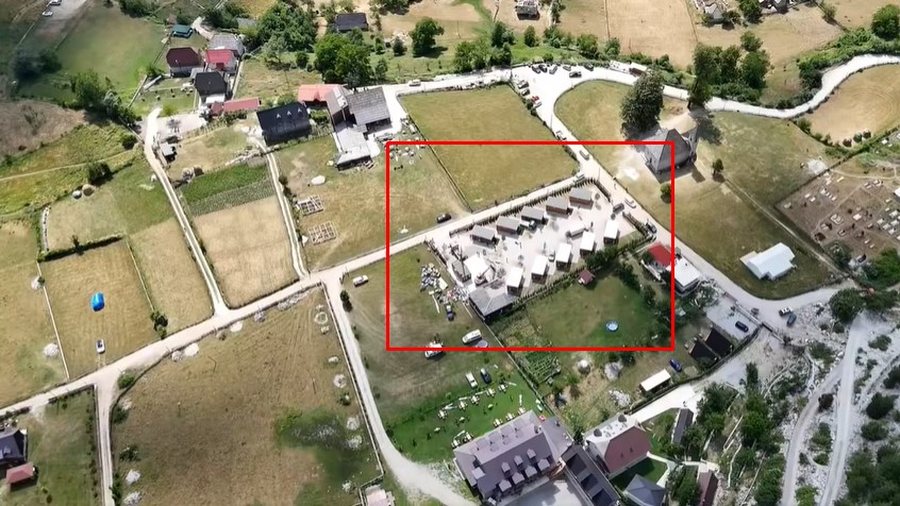
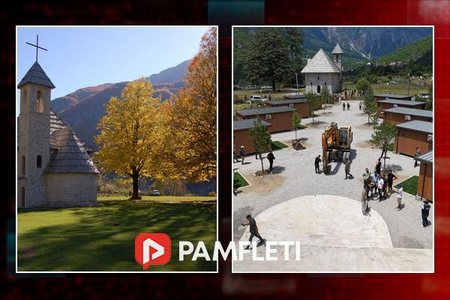
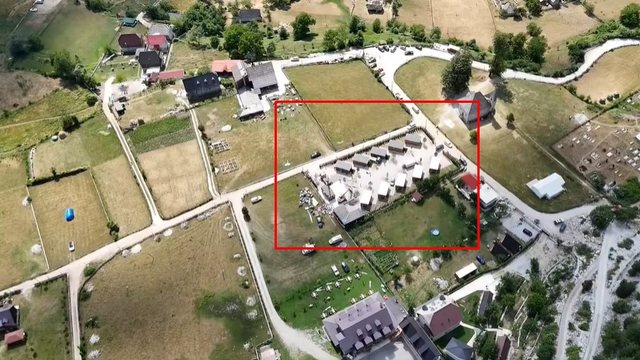
As part of the action to uncover public spaces, Rama denounced the case of Theth, where dozens of cabins were built in violation of the law and the prosecutor refused to register criminal proceedings against the person who built them.
" Since I sought to understand more, I came across a decision by a prosecutor, Ms. Gjeli, that left me speechless. I shared the decision with several others to understand what I could not understand, but the reaction of others was also speechless. And I am reading to you how Ms. Gjeli, a prosecutor from the very well-paid corps with Albanian taxes, who is supposed to protect the common assets of this people, the treasures of this country, from individuals like the one who wounded Thethi, in total violation of every kind of norm of coexistence in this country and flagrant violation of a number of laws since it is a protected area , argues," the prime minister said.
But the Shkodra Prosecution Office has recently reacted, rejecting the Prime Minister's claims. According to the prosecution, Prosecutor Gjeli's decision was in accordance with the law.
" In the specific case, from the full assessment of the facts and procedural acts, it was found that the facts referred to by the state police do not constitute illegal construction within the meaning of Article 199/a of the Criminal Code, for the reason that:
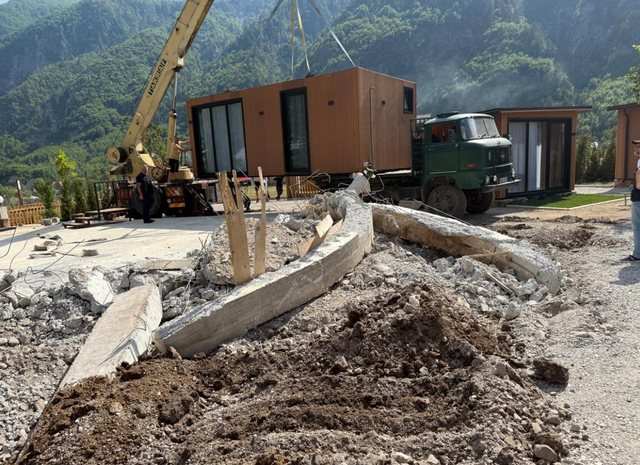
-The structures found and referred to by the police were temporary containers without foundations, placed on stone slabs, and as such do not meet the criteria to be considered a construction object according to the standards set out in Law No. 107/2014 "On territorial planning and development", as amended.
-The Police themselves, in the report of the inspection of the scene, stated that the containers were not placed on concrete foundations, but were placed on cut stone slabs.
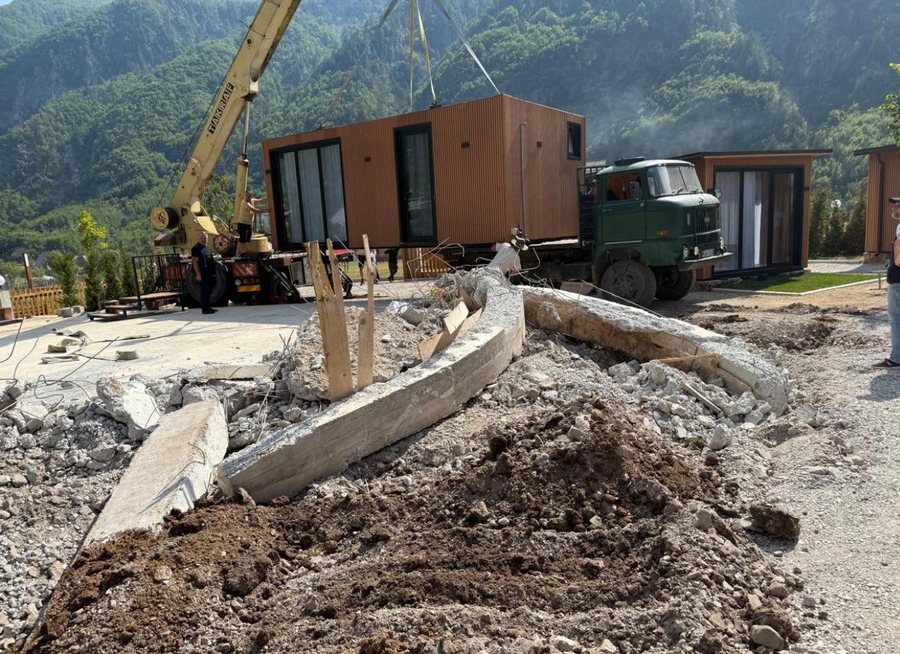
-According to Article 7, point 3, letter "i" of the Council of Ministers No. 408, dated 13.05.2015, as amended, structures that are installed for immediate and/or temporary needs, without foundations and with demountable materials, do not require a building permit, but only a prior declaration.
-Vetë IMT, Bashkia Shkodër në shkresën e saj drejtuar Policisë Gjyqësore e ka klasifikuar faktin si kundërvajtje administrative, jo si vepër penale dhe në këto kushte duhet të kishin vepruar institucionet kanë në përgjegjësi menaxhimin e territorit”, shprehet prokuroria.
Më tej organi i akuzës kërkon të ruhet pavarësia e drejtësisë dhe të ndalen presionet.
REAGIMI I PROKURORISË SHKODËR: Nisur nga deklaratat publike të bëra nga Kryeministri i Republikës së Shqipërisë, ku është komentuar vendimi i një Prokurori të Prokurorisë pranë Gjykatës së Shkallës së Parë të Juridiksionit të Përgjithshëm Shkodër, sqarojmë opinionin publik, si më poshtë vijon:
Vendimi i datës 30.05.2025 i Prokurores zj.Elsa Gjeli është marrë në përputhje të plotë me nenin 290, pika ç të Kodit të Procedurës Penale, ku parashikohet se: “Procedimi penal nuk mund të fillojë kur fakti nuk parashikohet nga ligji si vepër penale ose kur del qartë që fakti nuk ekziston”.
Në rastin konkret, nga vlerësimi i plotë i fakteve dhe akteve procedurale, u konstatua se faktet e referuar nga policia e shtetit nuk përbëjnë ndërtim të paligjshëm në kuptim të nenit 199/a të Kodit Penal, për arsyen se:
Strukturat e konstatuara dhe që janë referuar nga policia kanë qënë kontenjerë të përkohshëm pa themele, të vendosura mbi pllaka guri, dhe si të tilla nuk përmbushin kriteret për të konsideruar objekt ndërtimi sipas standardeve të përcaktuara në ligjin nr. 107/2014 “Për planifikimin dhe zhvillimin e territorit”, i ndryshuar.
Vetë Policia, në procesverbalin e këqyrjes së vendit të ngjarjes është shprehur se, kontenjerët nuk janë vendosur mbi bazamente betoni, por kanë qënë të vendosura mbi rrasa guri të prera.
Sipas nenit 7, pika 3, gërma “i” e VKM nr. 408, datë 13.05.2015, e ndryshuar, strukturat që instalohen për nevoja të çastit dhe/ose të përkohshme, pa themele dhe me materiale të çmontueshme, nuk kërkojnë pajisje me leje ndërtimi, por vetëm deklaratë paraprake.
Vetë IMT, Bashkia Shkodër në shkresën e saj drejtuar Policisë Gjyqësore e ka klasifikuar faktin si kundërvajtje administrative, jo si vepër penale dhe në këto kushte duhet të kishin vepruar institucionet kanë në përgjegjësi menaxhimin e territorit.
Në këto kushte, mungesa e elementit objektiv dhe pasojës penale, sipas analizës së zbatuar të ligjit, e bën të pamundur ngritjen e ndjekjes penale dhe Prokurori, si organ kushtetues i pavarur, ka detyrimin ligjor që të vlerësojë faktet në përputhje me ligjin.

In a state governed by the rule of law, the functional independence of the prosecutor is guaranteed by the Constitution and by Law No. 97/2016 “On the Organization and Functioning of the Prosecution in the Republic of Albania”. The Prosecution is an independent constitutional institution that operates in accordance with the law, where every procedural decision is taken on the basis of the facts and evidence administered, and outside of any external political influence. Any attempt to directly or indirectly influence the decision-making of a prosecutor violates the principle of separation of powers enshrined in Article 7 of the Constitution.
Respect for the separation of powers is the foundation of the functioning of a democratic state and the interference of the executive branch in the decision-making processes of justice institutions, whether through public comments, can be perceived as pressure on justice institutions and damage citizens' trust in these institutions.
The decision not to initiate criminal proceedings is not an act of personal will, but a legal act, based on the fundamental rules of substantive and procedural criminal law. Any institutional concerns must be addressed through established legal channels, and not through public political messages aimed at imposing themselves on the justice system. The rule of law cannot function if the prosecutor is afraid of any lawful decision-making that may not coincide with the interests of other powers.







Lini një Përgjigje