


 Shkruar nga Pamfleti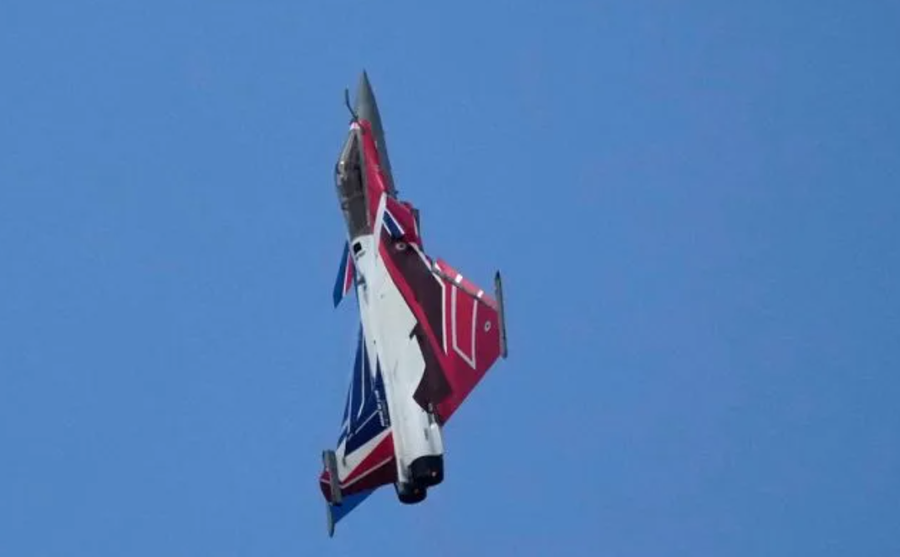
This comes at a time when the countries of the former Yugoslavia are making significant efforts to renew and adapt their arsenals to NATO standards...
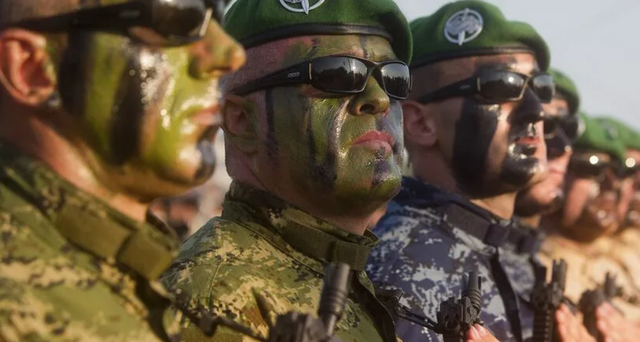
A military parade in Zagreb celebrated the 30th anniversary of a Croatian army campaign that took control of territory held by ethnic Serbs in what was then a newly independent state, breaking away from a disintegrating Yugoslavia.
The military parade took place almost three decades after Operation Storm, which began on August 4, 1995.
Three days later, the Croatian army had put an end to the Republic of Serbian Krajina (RSK), an ethnic Serb-led territory in what is now Croatia.
The operation had decisive strategic and diplomatic effects in the wars in the former Yugoslavia, both in Croatia and in neighboring Bosnia and Herzegovina.
By taking territorial control of Krajina, Zagreb was able to declare the definitive end to its war for independence against a de facto Serb-dominated Yugoslavia, which had begun in 1991.
The successful Croatian counteroffensive to its east also had a spillover effect in Bosnia, where Bosnian Serb forces, challenged by NATO bombing, began to lose ground on several fronts, until the Dayton Peace Agreement was reached in November 1995.
Since taking full control of its territory to effectively assert its independence, Croatia became a full member of NATO in 2009 and the EU in 2013.

Igor Tabak, a Croatian political and security analyst from the OBRIS institute in Zagreb, said that the real victory celebrations happened 30 years ago, but this Thursday was an opportunity for Croatia to show its military potential.
Croatia has achieved its target of spending 2% of its GDP on defense and aims to increase this further, Tabak added.
"There have been significant (military) acquisitions over the past few years. There will be more acquisitions, so our taxpayers need to see where this is all going and this is a good occasion for such a show," he said.
Thursday's military parade, the first to mark Operation Storm in a decade, showcased Croatia's transition from eastern weapons systems inherited from the former socialist Yugoslavia to Western weapons.
Instead of Soviet MiG-21s, Croatia now uses 4.5-generation multirole fighter jets from France. It will also buy 50 Leopard 2A8 tanks from Germany.
Tabak also pointed to Croatian-made drones that have been used in Ukraine, which he described as "big news in our defense industrial base."
This comes at a time when the countries of the former Yugoslavia are making significant efforts to modernize and adapt their arsenals to NATO standards.
Apart from Serbia, these countries are mainly importers, as their arms industries produce almost exclusively small arms.
Hungary, Bulgaria and Romania have also been equipped with weapons in accordance with NATO standards.
For most ethnic Serbs, Operation Storm represented a campaign of ethnic cleansing, with thousands of Croatian Serbs forced to relocate to Serbia and Bosnia.
Tensions between Croatia and Serbia continue, with the region further polarized by Russia's general war in Ukraine and the continued friendly relations between Belgrade and Moscow.
Serbia has not aligned itself with Western sanctions against Russia, despite its candidacy to join the EU, while Croatia signed a defense cooperation agreement with Albania and Kosovo in March.

According to Nikola Lunic, an independent security and military analyst and a former Serbian military officer, the region risks entering an arms race it cannot afford.
“Bilateral relations between Zagreb and Belgrade are not cordial, so when they see that we are strengthening our army, they do the same,” says Lunic.
Like Croatia, Serbia has also signed a deal with France's Dassault to buy 12 Rafale jets worth nearly 2 billion euros.
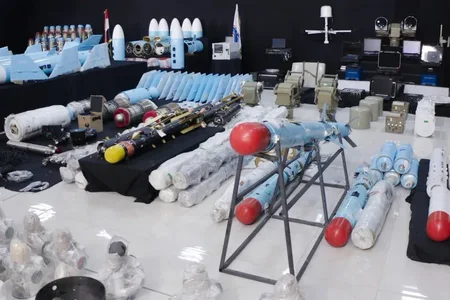
Belgrade also imports weapons systems from China and Russia, while also having its own significant production and exports.
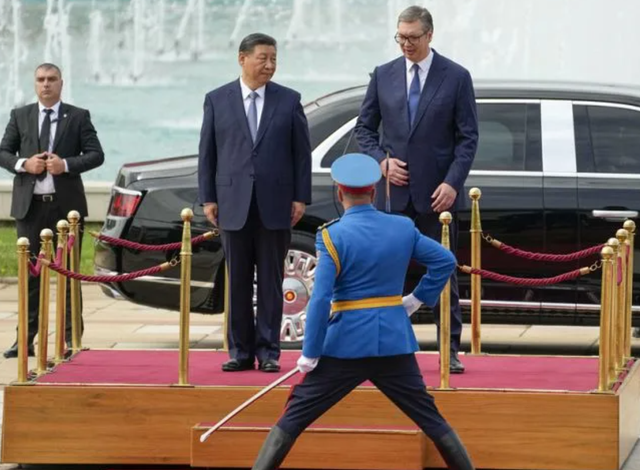
On September 3, Serbian President Aleksandar Vučić will participate in the grand military parade organized by Chinese President Xi Jinping to mark the 80th anniversary of the defeat of Japan.
Another military parade is planned in Belgrade on September 15. /Adapted from Pamphlet/






Lini një Përgjigje