


 Shkruar nga Karsten-Dirk Hinzmann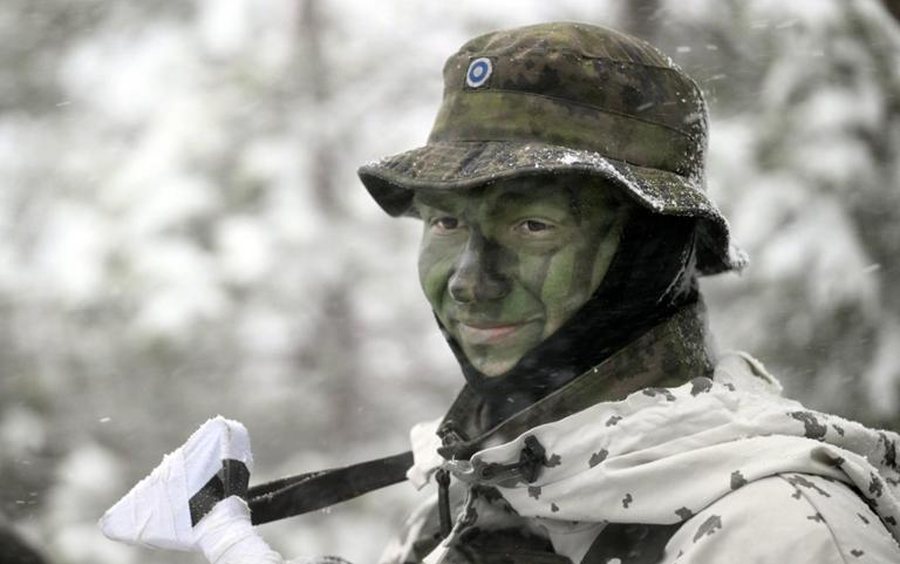
Russia is increasing its military presence in NATO's northern region. Murmansk could be isolated by Finnish troops in the event of an attack on the Baltic states.
For Russians, NATO has historically been something like Satan, if not Satan himself, says Matti Pitkäniitty.
The British newspaper Guardian quotes the commander of the North Karelian Border Guard District, the border between Russia and Finland is considered one of the flashpoints between Vladimir Putin's ambitions for great power and NATO's protection of Western values.
The dictator is already preparing for this, as the war in Ukraine rages on with unabated fury. As Newsweek reports, Putin is planning to strengthen fortifications on his border with Finland.
"Could the Finnish-Russian border become the next conflict zone after the war in Ukraine?"
Newsweek recently reported that Dmitry Medvedev stated that Russia would like to strengthen its defenses against Finland.
According to the magazine, the deputy chairman of the Russian Security Council justified the expansion of the fortifications with the Nordic country's accession to the military alliance in 2023. "Now we are part of it, and this changes their view of the Finns," the Guardian quoted Finnish border guard Pitkäniitty as saying.
"It is his duty as part of the NATO alliance to prepare for the worst," says Sami Nurmi. The major general and chief of strategy for the Finnish armed forces stressed to the Guardian that he is monitoring "very closely" what Vladimir Putin's invading forces are doing on the border between his territory and Russia, that is, NATO's eastern border.
Tents, shelters for fighter jets and warehouses for military vehicles testify to a growing Russian presence near NATO's second-youngest member, the New York Times (NYT) wrote in mid-year.
However, Russia seems to want to build up the barricades even tighter. According to Brendan Cole, Medvedev used a visit to the border crossing at Svetogorsk, near Leningrad, to declare that Russia wanted to "increase the reliability of border protection."
“Could the Finnish-Russian border become the next conflict zone after the war in Ukraine?” Grégoire Sauvage recently asked.
He is referring to a specific threat that the Kremlin had already made when Finland abandoned its neutrality.
"Above all, there is no doubt about Helsinki's iron determination to resist Russian aggression and the willingness of the Finnish people to take up arms in defense of their country," Sauvage added.
Rusia e quajti pranimin e Finlandës në NATO një gabim historik të rrezikshëm, raportuan Andrew Osborn dhe Jake Cordell në prill 2023. Autorët e agjencisë së lajmeve Reuters shkruan në atë kohë se udhëheqja ushtarake ruse ishte paralajmëruar nga qeveria e saj se pranimi i Finlandës " rrezikonte një përshkallëzim të konsiderueshëm të konfliktit ", siç thuhet se shpjegoi Ministri i Mbrojtjes i atëhershëm Sergei Shoigu: "një nga arsyet kryesore për luftën e Rusisë në Ukrainë është të parandalojë që fqinji i saj të bëhet një anëtar i NATO-s, gjë që do të kërcënonte sigurinë ", shkruan Osborn dhe Cordell për frikën e qeverisë ruse. Me sa duket, antipatia e Rusisë ndaj finlandezëve është përhapur edhe në popullsi, sipas autorëve të Reuters .
Rusia nuk ka dyshim “se Finlanda po krijon probleme për veten duke iu bashkuar (NATO-s)”
Ata cituan si provë një banor të Shën Petersburgut, i cili e identifikoi veten si "Nikolai".
"Nuk ka absolutisht asnjë dyshim se Finlanda po krijon probleme për veten duke u bashkuar (me NATO-n), sepse ne e konsideronim atë një vend motër në botën kapitaliste, më të afërt me ne në shpirt, në marrëdhënie dhe në marrëdhënie ekonomike reciprokisht të dobishme.
Por tani do ta konsiderojmë atë një shtet që nuk është miqësor ndaj nesh", tha rusi, sipas agjencisë së lajmeve.
Megjithatë, Finlanda dhe NATO po përgatiten për një skenar ushtarak , siç ka raportuar revista finlandeze Iltalehti.
Një nënshtab i forcave tokësore të NATO-s do të ngrihej në Mikkeli të Finlandës. Prej andej, stërvitja dhe operacionet e një brigade të NATO-s prej deri në 5,000 ushtarësh finlandezë dhe norvegjezë do të drejtoheshin për të mbrojtur kufirin finlandez. Siç raportoi në të njëjtën kohë revista “Nordic Defense Review” (NDR), Mikkeli u zgjodh si vend për shkak të vendndodhjes së saj strategjike dhe strukturave ekzistuese ushtarake atje, sipas ND.
Mikkeli është rreth 400 kilometra në vijë ajrore nga Petrozavodsk i Rusisë. Sipas NDR, selia e NATO-s atje do të "akomodojë disa dhjetëra oficerë të huaj, me mundësinë e zgjerimit të mëvonshëm".
Forcat Tokësore të Përparuara (FLF) nën komandën suedeze do të kryejnë ushtrime të rregullta nga kjo shtab për të siguruar reagim të shpejtë në kriza. "Një i ashtuquajtur nën-shtab shumë operacional i NATO-s është i stacionuar në Mikkeli, i cili është në gatishmëri operacionale 24 orë në ditë", shkruan Lauri Nurmi për Iltalehti.
Sipas Reuters, zgjerimi i mëtejshëm i NATO-s është një "ndërhyrje në sigurinë tonë dhe në interesat kombëtare të Rusisë", tha zëdhënësi i Kremlinit Dmitry Peskov në kohën e pranimit të Finlandës në NATO. Në të vërtetë, Rusia duhet ta marrë demarkacionin e saj me Finlandën më seriozisht se më parë, një linjë e mundshme kontakti me aleancën perëndimore të mbrojtjes është zgjeruar me më shumë se 1,300 kilometra.
"If NATO and Russia go to war in the Baltics, the Finns will not simply sit idly by," Ed Arnold said, according to France24.
"They will probably launch a counterattack and annex the Murmansk Peninsula," said the analyst from the British think tank Royal United Services Institute (RUSI). Russian nuclear forces and the Northern Fleet are stationed in Murmansk. The Finns have the capability and combat power to create a rift between Murmansk and St. Petersburg, thereby cutting off supplies to Russian troops. This would give Finland the lead role in a possible war for the Baltics, in this regard, it is vital that Russia closes off any possible entry points.
The expert finds it difficult to interpret Russia's behavior "as purely defensive or offensive."
However, the Finns appear to be reacting calmly to the maneuvers beyond their border fence, as the Telegraph reported in May.
"The latest moves and signs of construction are just another tactical or operational change in a long line of Russian activities," Jarmo Lindberg told the British newspaper. The former defense minister shares this levity with other Finnish politicians, noted Telegraph writer Iona Cleave. According to Emil Kastehelmi, all of the Russian undertakings were already planned before 2022. The analyst at the Finnish Black Bird Group noted that Russia would have re-established the important Leningrad Military District by 2024 and almost triple the small brigades that were stationed there before the Ukraine war, expanding them to divisions of over 10,000 troops.
According to him, it is difficult to interpret Russia's behavior "as purely defensive or offensive," as quoted by the Telegraph.
"There are a multitude of scenarios and uncertainties." Still, Russia has every reason to be afraid of Finland. Putin would probably find in his western neighbors a people as strong in fighting as the ones he faces in Ukraine.
That, at least, is the claim of Stefan Hedlund in an analysis for the Geopolitical Intelligence Services (GIS) research organization of Liechtenstein. The research director at the Center for Russian and Eurasian Studies at Uppsala University praises the Finns for their swift response to the sudden increase in Russian aggression after the war in Ukraine.
Finland had maintained military conscription anyway, but after the invasion in February 2022, Finland increased its defense budget, increased the production of artillery shells and developed contingency plans with farmers and industrial companies, Hedlund said.
"Above all, there is no doubt about Helsinki's iron determination to resist Russian aggression and the willingness of the Finnish people to take up arms in defense of their country," Hedlund said. /Adapted from Pamphlet/



Lini një Përgjigje