


 Shkruar nga Pamfleti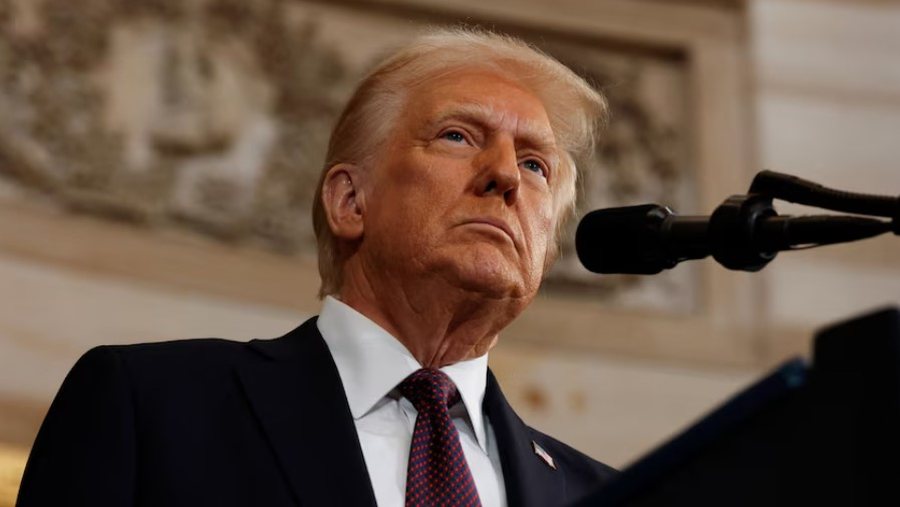
With so much disagreement between the US and its allies, it's hard to see where progress can be made over the next two days. But what these leaders will agree on is the need to lower the temperature in the Middle East.
Donald Trump's return to the G7 has always been unpredictable. The fact that it is happening against the backdrop of a growing conflict in the Middle East makes it even more unpredictable. Expectations had been low, with Canadian hosts warning against normal joint communication at the end of the summit, aware that this group of leaders would struggle to find consensus.
Canadian Prime Minister Mark Carney carefully crafted an uncontested agenda in an effort to avoid any clash between President Trump and allies, who have recently been more divided than ever before whether on tariffs and trade, Russia and Ukraine, or, most recently, Israel's behavior in Gaza.
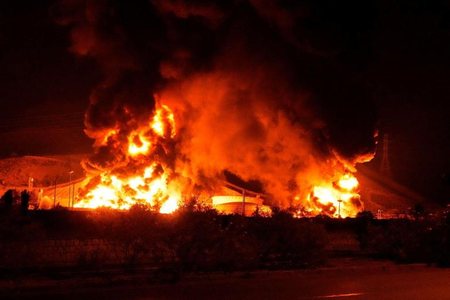
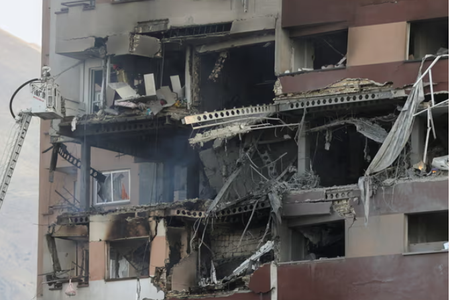
Indeed, it is a tangled G7 agenda as world leaders race to defuse the fiercest fighting between Tel Aviv and Tehran in decades. Trump has for months urged Israel not to attack Iran while he works toward a diplomatic deal to halt uranium enrichment. Further talks were scheduled for Sunday but are now unlikely to take place.
All eyes will be on Trump in the coming days to see whether the US, Israel's closest ally, will call on Israel to halt its offensive. The US has so far not taken part in any joint strikes with Tel Aviv, but is moving warships and other military assets to the Middle East.
Trump has been urging Israel for months not to attack Iran as he works toward a diplomatic deal to halt uranium enrichment. Further talks were scheduled for Sunday but are now not expected to take place.
But the fact that the leaders are not planning a joint communique, a document outlining what the leaders agreed to, is telling. When they last met with Trump in Canada for the G7 in 2018, the US president had a rather spectacular falling out with Justin Trudeau when the former Canadian president threatened to retaliate against US tariffs and refused to sign the G7 agreement.
Since then, Trump has spoken of his desire to make Canada the 51st U.S. state, a suggestion that helped catapult the Liberal Party past their conservative rivals and back to power in the recent Canadian election, as Mark Carney competed to counter Trump's aggression.
With so much at odds between the US and its allies, it is hard to see where progress can be made over the next two days. But what these leaders will agree on is the need to lower the temperature in the Middle East and, for all the unpredictability surrounding these relations, what is certain is a sense of urgency around Iran and Israel that could find these increasingly disparate allies on common ground. /Sky News



Lini një Përgjigje