


 Shkruar nga Pamfleti
In ongoing negotiations, Washington, also addressing Tel Aviv's concerns, has demanded a reduction in the operational range of the missiles and a reduction in their arsenal. These conditions have always been officially rejected by the Ayatollahs.

Over the years, Iran has developed a powerful arsenal capable of striking enemies from afar. This is a direct consequence of the war with Saddam Hussein's Iraq in the 1980s. Since then, its engineers, with the help of China, Russia and North Korea, have developed systems that were later used in the duel with Israel, but also to strike Kurds and Baloch rebels in Pakistan.
By supplying partner militias (like the Houthis in Yemen), they have tested their missiles in real combat conditions.
This has allowed them to update and modify their devices.
For Tehran, these systems are essential as they represent the best defense, allowing it to respond to potential attacks and keeping American bases and targets in the region under control.
The first category of missiles consists of short- to medium-range missiles. They range from 300 kilometers for the “Shahab 1” to 1,000 kilometers for the Dezful. At the highest level, there are “explosive devices” with which it can reach targets at a range between 1,300 kilometers (Shahab 3) and approximately 2,000 kilometers with the “Khorramanshahr” missiles.
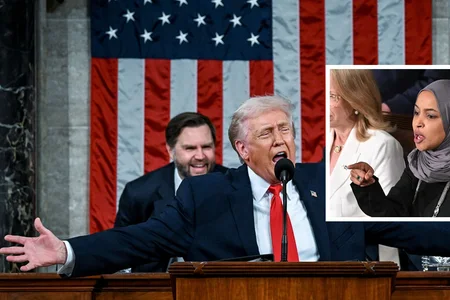
It is likely that Donald Trump, when he spoke before Congress about the weapons threatening Europe, was referring to this very model. According to experts, it could reach the territories of Southeastern Europe (such as Greece) if launched from western Iran. Foreign Minister Abbas Araghchi specified that the range is limited to 2,000 kilometers and denied that the missiles could reach US territory.
The Revolutionary Guard has created a series of well-protected bunkers and shelters in the western and central sectors, and has also “dispersed” missiles. This is to ensure “survivability” in the event of enemy attacks. At least 5 known sites have been created within the mountains where launchers are located.
During the June conflict with the Israelis and Americans, many installations suffered damage. The bombings disabled many war plants, hit engine and solid fuel production centers, and eliminated fixed and mobile “ramps.” In the following months, the Iranians worked to replace the losses.
Teherani thuhet se ka blerë pajisje të reja nga Pekini dhe është afër një marrëveshjeje për raketa anti-anije CM 302 me të cilat do të synojw Armatën Amerikane. Vlerësimet jozyrtare besojnë se Pasdaranët kanë të paktën 2,000 raketa, ndërsa numri i vlerësuar i lëshuesve është 200-260, duke supozuar se ata kanë arritur të sigurojnë komponentët e nevojshëm.
Por edhe në këtë front, Republika Islamike ka përvojë të gjerë në anashkalimin e embargove, kontrolleve dhe pengesave ndërkombëtare duke përdorur mbështetjen e palëve të treta.
Në betejën e tyre me izraelitët, Garda Revolucionare ka demonstruar aftësinë e saj për të shkelur vazhdimisht mburojën antiraketë të shtetit hebre, e cila supozohet të jetë një nga më të sofistikuarat në botë dhe e integruar me rrjetin amerikan të paralajmërimit.
Disa vëzhgues pohojnë se kokat bërthamore janë relativisht të sakta, por kjo nuk e zvogëlon vlerën e tyre strategjike. Në negociatat e vazhdueshme, Uashingtoni, duke iu drejtuar gjithashtu shqetësimeve të Tel Avivit, ka kërkuar një reduktim të rrezes operative të raketave dhe një reduktim të arsenalit të tyre. Këto kushte janë refuzuar gjithmonë zyrtarisht nga Ajatollahët.
Negociatat në prapaskenë SHBA-Iran
Shtetet e Bashkuara dhe Irani do të zhvillojnë bisedime indirekte në Zvicër sot, më 26 shkurt, me synimin për të arritur një marrëveshje që do të shmangte një konflikt të ri dhe do t’i jepte fund javëve të fundit të tensioneve dhe kërcënimeve. Raundi i ri i negociatave në Gjenevë zhvillohet pas një rritjeje të konsiderueshme të pranisë ushtarake amerikane në rajon dhe paralajmërimeve të përsëritura të presidentit Donald Trump për goditje ndaj Iranit nëse nuk arrihet marrëveshje.
Në fjalimin e tij mbi gjendjen e vendit të martën, Trump akuzoi Iranin se po ndjek “ambicie të errëta bërthamore”. Ai deklaroi gjithashtu se Teherani ka zhvilluar raketa që mund të kërcënojnë Evropën dhe bazat amerikane jashtë vendit, si dhe po punon për raketa që së shpejti mund të arrijnë territorin e Shteteve të Bashkuara.
Ministria e Jashtme e Iranit i cilësoi këto deklarata si “gënjeshtra të mëdha”.
Sipas të dhënave që vetë Teherani ka bërë publike, rrezja maksimale e raketave iraniane arrin deri në 2,000 kilometra. Shërbimi Kërkimor i Kongresit Amerikan vlerëson se kjo rreze mund të shkojë deri në rreth 3,000 kilometra, distancë që mbetet dukshëm më e shkurtër se ajo drejt territorit kontinental të SHBA-së.
Mosmarrëveshja mes dy vendeve përqendrohet kryesisht te programi bërthamor i Iranit. Vendet perëndimore dyshojnë se ai synon prodhimin e armës atomike, ndërsa Teherani këmbëngul se programi ka qëllime paqësore. SHBA kërkon gjithashtu që në tryezën e bisedimeve të përfshihet programi iranian i raketave balistike dhe mbështetja e Teheranit për grupe të armatosura që kundërshtojnë Izraelin.
US Secretary of State Marco Rubio said Iran should negotiate over its missile program, calling Tehran's refusal to discuss the issue "a very big problem." He added that President Trump is aiming for a diplomatic solution.
Iran, on the other hand, has ruled out any topic beyond the nuclear issue and has demanded that the lifting of US sanctions, which weigh on the country's economy, be included in any possible deal. Iranian President Masoud Pezeshkian said on Wednesday he had a "positive approach to the negotiations," expressing hope that they could lead the country out of the current situation he described as "neither war nor peace."
Iranian Foreign Minister Abbas Araghchi, who heads Tehran’s delegation, called the talks “a historic opportunity” and said an agreement was “achievable.” In a Foreign Ministry statement after meeting with his Omani counterpart, Araghchi stressed that the success of the negotiations depends on “the seriousness of the other side and the avoidance of contradictory positions and behaviors.”
The American delegation will be represented by envoy Steve Witkoff and Jared Kushner, President Trump's son-in-law.
The two countries held talks earlier this month in Oman, which is mediating the process, while a second round was held in Geneva last week. A previous attempt at negotiations collapsed after Israel launched surprise attacks on Iran in June last year, triggering a 12-day war in which Washington temporarily intervened with bombings of Iranian nuclear facilities.






Lini një Përgjigje