


 Shkruar nga Diplomatico | Pamfleti.net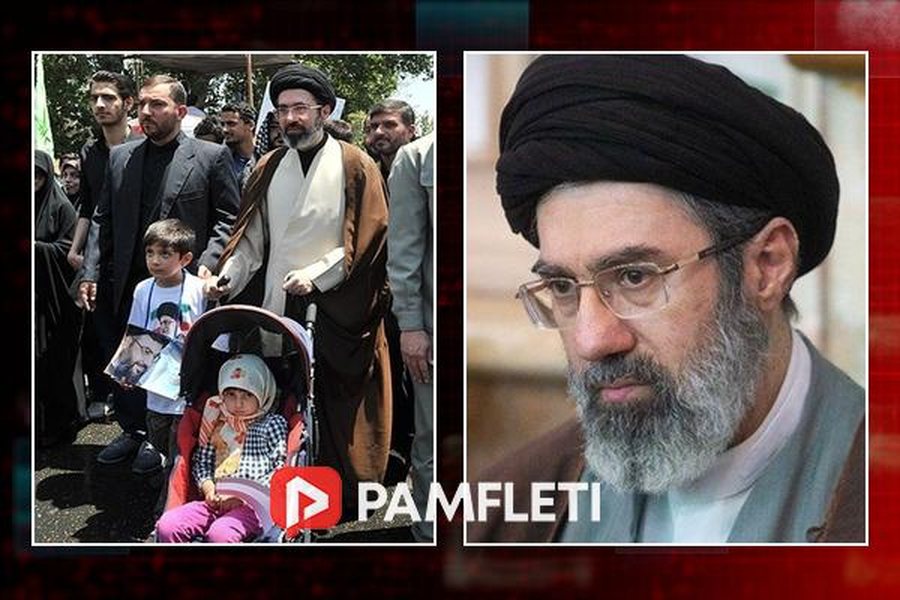
The election of Mojtaba Khamenei as Iran's leader marks a historic moment for the Islamic Republic and comes at a time when tensions in the Middle East are rising and geopolitical balances in the region are increasingly fragile...
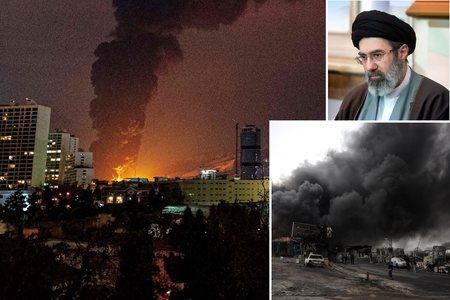
Mojtaba Khamenei has been reported by several international and regional media outlets as the new Supreme Leader of Iran, following recent dramatic developments involving the family of the Islamic Republic's historic leader, Ali Khamenei. If these reports are fully confirmed by Iranian institutions, the decision marks a historic moment for Iran's political system.
His election would be unusual for the way the Islamic Republic is conceived. In theory, the supreme leader is chosen by the Assembly of Experts, a body of senior clerics mandated to select and oversee the country's leader. However, the fact that the post passes from father to son would be interpreted by many analysts as a transformation of the system towards a form of hereditary power, something that would be unprecedented in the history of the Islamic Republic.
Mojtaba Khamenei has been a figure of great influence in Iranian political circles for years. He is considered to have strong ties to the security structures and especially to the Islamic Revolutionary Guard Corps, one of the most powerful institutions in the country. The support of this military-political apparatus is a crucial factor for the stability of any leader in Iran.
His election comes at a very tense moment for the region. The indirect clashes between Iran and the United States, as well as conflicts involving various actors in the Middle East, make the transition of power in Tehran a development with potential geopolitical consequences. A new leader coming from the inner circle of the Khamenei family could signal a continuation of Iran's strong strategic line towards the West and its regional allies.
Domestically, the main challenge for the new leader will be to maintain the balance between the religious elites, the security apparatus, and the political structures that make up the complex system of the Islamic Republic. His legitimacy will be measured not only by the formal decision of religious institutions, but also by the ability to consolidate support within the Iranian establishment./ Pamphlet


Lini një Përgjigje