


 Shkruar nga Pamfleti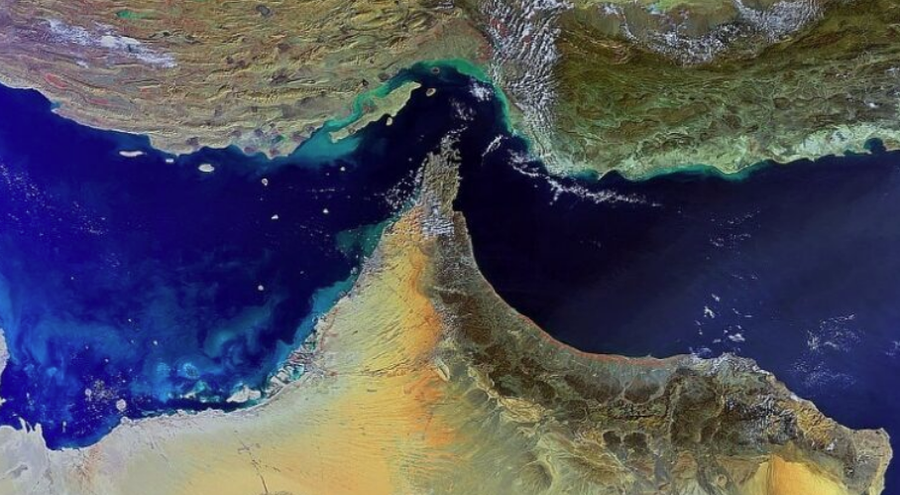
The Strait of Hormuz has become one of the most sensitive points of conflict between the United States and Iran, endangering global energy supplies.
Under normal conditions, about a fifth of the world's oil and liquefied natural gas passes through this sea route, making it a vital artery for the global economy.
Following US and Israeli attacks on Iran on February 28, Tehran effectively blocked this sea corridor. In response, the US imposed a blockade and warned international companies not to pay Iran fees for safe passage, threatening sanctions in case of violation.
The strait remains a strategic tool of pressure for Iran, while the US is demanding its reopening. However, negotiations have not produced progress, leaving the situation in a stalemate.
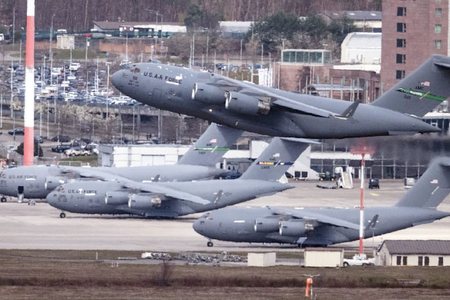
According to military analyst Michael Clarke, the level of tension remains high, with a significant US military presence in the area, including aircraft carrier groups and expeditionary naval units.
He points out that such blockades can last for long periods, citing examples such as Cuba and Venezuela. However, maintaining them requires constant rotation of forces and affects other military operations.
Clarke estimates that if the situation continues for several months, it could put the US Navy's operational capabilities under great pressure./ Sky News




Lini një Përgjigje