


 Shkruar nga Matthew Tostevin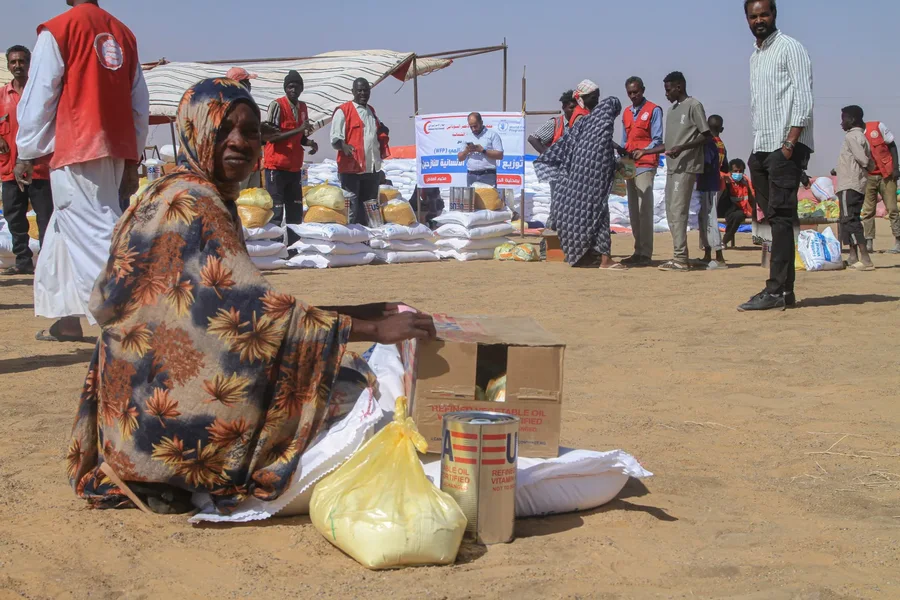
This is evident in Ukraine, as the biggest war in Europe since World War II continues with Russian advances that have been stopped neither by struggling Ukrainian forces nor by European declarations of outrage...
The Red Cross is making 42 emergency appeals worldwide. Funding is only at 20 percent. The outlook for long-term aid looks even bleaker.
Meanwhile, arms manufacturers have had their best year ever, given the biggest wars in decades in Europe and the Middle East and fears of insecurity that are pushing countries everywhere to prepare for conflict. This is driven not only by the global dynamics of a shrinking US under President Donald Trump and an increasingly powerful China, but also by a host of smaller arms races.
A perfect storm is brewing with more conflict and fewer resources to prevent or cope with it, aid workers say.
“It has now become acceptable to say you are going to cut support for the most vulnerable to invest in weapons and bombs,” Caroline Holt, Director for Disasters, Climate and Crises at the International Federation of Red Cross and Red Crescent Societies, told Newsweek.
"As governments prioritize the security agenda, which is the policy priority now in many countries, they are not only defunding the humanitarian sector so that we can do our work, but they are also generating more and more displacement," she said.
Holt spoke on the sidelines of the Doha Forum, which brought together everyone from Donald Trump Jr. to Hillary Clinton at a luxurious five-star resort in the Gulf state of Qatar to discuss critical challenges in a world where change under Trump is as much an indicator of global direction as it is a driving force.
"The post-World War II global international order is dead," declared Einar Tangen, a senior fellow at the Canada-based Centre for International Governance Innovation.
He said that “if you have any doubts about this, you just have to read Trump’s latest security analysis, where he basically says it’s back to the jungle.”
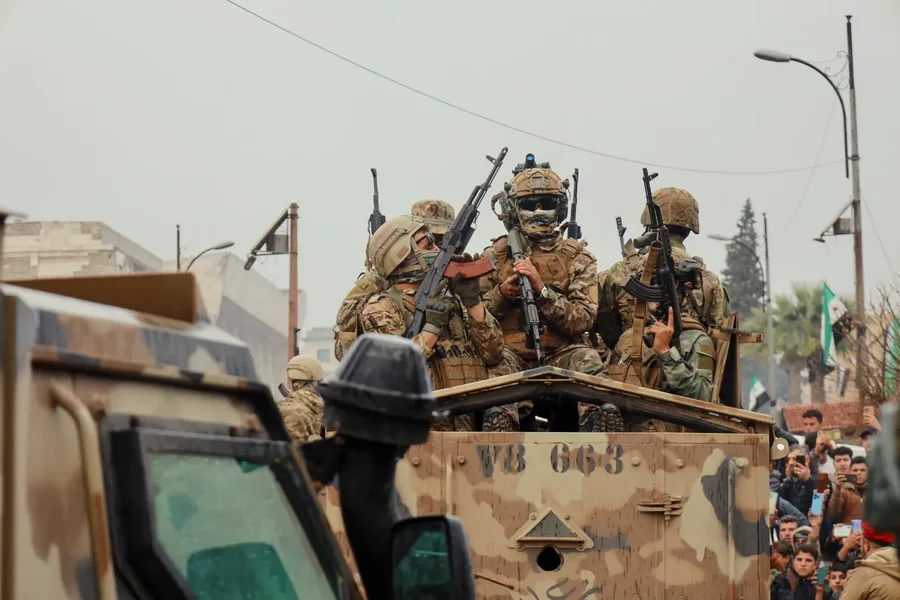
This is evident in Ukraine, as the largest war in Europe since World War II continues with Russian advances that have been stopped neither by struggling Ukrainian forces nor by European declarations of outrage.
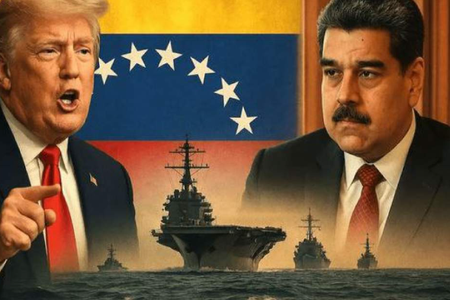
The wars between Israel and Hamas, Hezbollah, Iran, and the Houthis have calmed down, but they are not over. Now there are signs of possible US action in Venezuela.
Këto konflikte kanë zënë titujt kryesorë të lajmeve, por ka edhe Sudan, Jemen, rajonet e Bririt të Afrikës, Liqeneve të Mëdha dhe Sahelit; dhe tani ka përleshje Tajlandë-Kamboxhia për t'u bashkuar me luftën civile të gjatë të Myanmarit në Azinë Juglindore, ndërsa vitin e kaluar pati edhe luftime midis Pakistanit dhe Indisë.
“Po shohim gjithnjë e më shumë kriza të zgjatura, kriza afatgjata, kriza që mbivendosen, kriza të shumëfishta që ndodhin në të njëjtën kohë, me frekuencë më të madhe, intensitet më të madh. Pra, komunitetet nuk kanë asnjë shans të rimëkëmben para se t’u vijë gjëja tjetër mbi kokë”, tha Holt.
Garë armatimi
Prodhuesit e armëve po lulëzojnë. Të ardhurat e kombinuara nga prodhuesit më të mëdhenj të armëve në botë dhe kompanitë e lidhura me mbrojtjen u rritën me gati 6 % vitin e kaluar, në nivelin më të lartë ndonjëherë, sipas Institutit Ndërkombëtar të Kërkimeve për Paqen në Stokholm.
Kjo po nxit garat e armatimeve, ndërsa fushat e betejës po bëhen terren provë për evolucionin e shpejtë të teknologjive vdekjeprurëse.
“Nëse shton sipër kësaj inteligjencën artificiale, dhe ka një anë pozitive të saj, por ka edhe ndikim negativ në lidhje me mënyrën se si ajo përshpejton më tej armët dhe teknologjinë, dhe nëse ia lë ato në duart e disa aktivistëve dhe shteteve shqetësuese jo-shtetërore, dhe pastaj fillon të japë probleme”, tha për Newsweek Comfort Ero, president dhe CEO i Grupit Ndërkombëtar të Krizave, një organizatë e pavarur që punon për të parandaluar luftërat.
Rritja e shpenzimeve për armë dhe shkurtimi i buxheteve të ndihmës ka pasur pasoja edhe për ndihmën për zhvillim, mbështetësit e së cilës kanë argumentuar prej kohësh se është një mjet për parandalimin e konfliktit, si dhe për luftimin e varfërisë.
Buxhetet e ndihmës së vendeve perëndimore kishin qenë në rënie edhe para se Trump të shpërbënte gjigantin e USAID-it menjëherë pas fillimit të mandatit të tij të dytë. Ndikimi është ndjerë jo vetëm nga ata që kanë humbur mbështetjen e tyre të drejtpërdrejtë, por edhe më gjerësisht, ndërsa fondet e ndihmës po shterojnë.
Midis atyre që po shohin një ndryshim është Fondacioni “Arsimi mbi të gjitha” me seli në Doha , i cili mbështet projekte arsimore në të gjithë botën, por kërkon që partnerët e tij të japin kontributin e tyre.
“Ka pasur shumë ndryshime në financim dhe prioritete, dhe ka pasur disa viktima të kësaj: arsimi është njëra, shëndetësia është tjetra, bujqësia është një tjetër”, tha për Newsweek, drejtoresha kryesore e arsimit e fondacionit, Mary Joy Pigozzi.
"Mendoj se pamja e përgjithshme e kësaj është thjesht më pak para në një kohë kur e dimë dhe po fillojmë ta kuptojmë vërtet vlerën e arsimit në aspektin e rolit të tij në gjëra të tilla si shëndeti i mirë, mirëqenia, një ekonomi e fortë, punësimi i të rinjve dhe, në fund të fundit, paqja".
Donatorë të rinj
The foundation has an advantage over some others, given its funding from gas-rich Qatar, which is emerging as an increasingly important donor while also exerting its growing diplomatic influence in the Middle East and beyond.
The Director General of the Qatar Fund for Development, Fahad Hamad Al-Sulaiti, told Newsweek that the aid withdrawal partly marked a shift towards development investments, which could be seen as positive.
"The change is transforming the funding mechanism," he said.
"We understand that sometimes we need grants for humanitarian aspects: to save lives and all these things, but we strongly believe that change is not such a bad thing because this change is helping in a good way for the development of the future."
The West's withdrawal from humanitarian aid is also providing an opportunity for China, which has sought to fill some of the gaps left by dwindling Western funding while spreading its influence through its giant "One Belt, One Road" infrastructure investment scheme, as well as humanitarian aid.
“When the existing power is running out of public goods and then the rising power wasn’t fast enough to provide them, there can be a gap between them, so I think we’re probably in that kind of situation,” Henry Huiyao Wang, founder and president of the Beijing-based Center on China and Globalization, told Newsweek. “China is taking some of that leadership now.” / Adapted from Newsweek/



Lini një Përgjigje