


 Shkruar nga Pamfleti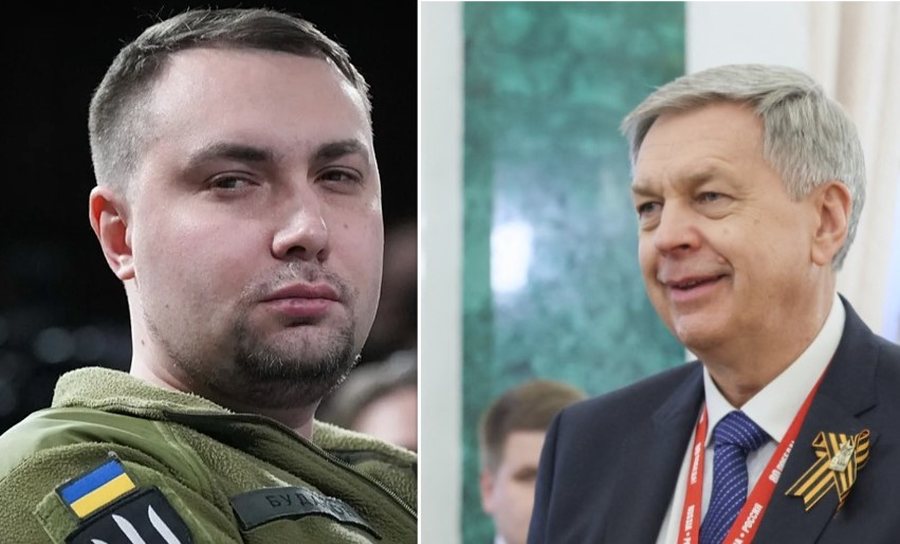
Quiet negotiations between the HUR and the GU (still widely known by its old acronym, GRU) have been behind a number of practical agreements throughout the conflict, such as exchanges of prisoners and bodies of the fallen.
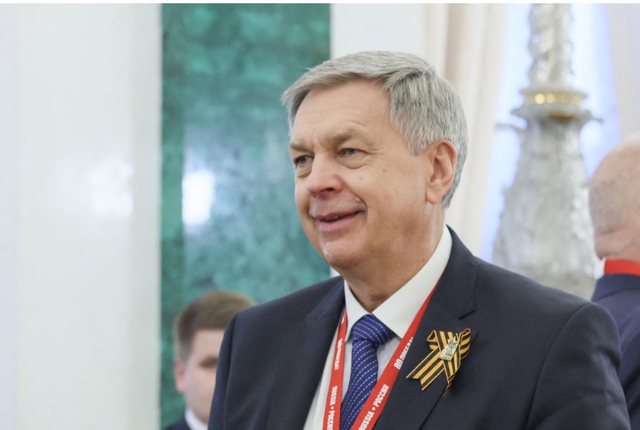
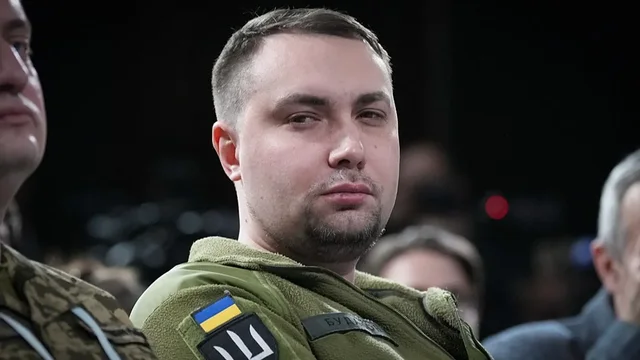
In the trilateral talks taking place in Abu Dhabi, both Kiev and Moscow are being led by military intelligence officers. These are the newly appointed chief of the presidential staff, Kyrylo Budanov, the former head of the HUR (Ukrainian military intelligence), and Admiral Igor Kostyukov, the head of Russia's GU (Main Directorate of the General Staff).
On one level, this should come as no surprise. Quiet negotiations between the HUR and the GU (still widely known by its old acronym, GRU) have been behind a number of practical agreements throughout the conflict, such as exchanges of prisoners and bodies of the fallen. Just as in the past the Mossad was behind covert negotiations with Arab states before establishing diplomatic relations, and the CIA maintained covert contacts with North Korea’s General Intelligence Bureau, spies can still sometimes be useful diplomats.
Budanov, an outspoken supporter of the Ukrainian cause, already has an extraordinary profile, not least because many Western journalists have embraced his macho legend and the thrilling details of his previous existence. These range from the (necessary) security precautions to enter his bunker, to the captured trophy, a late-model Russian AK-12 rifle, propped up in the corner of his office.
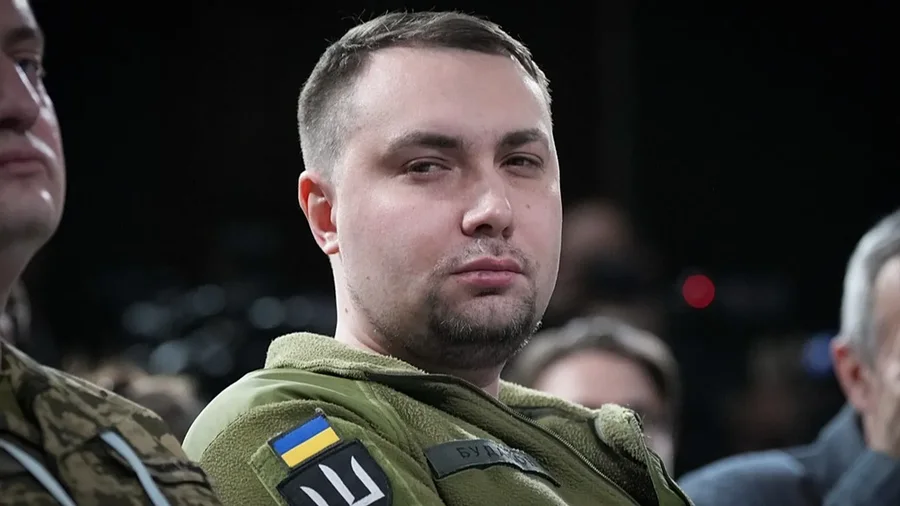
For all this, Budanov is also emerging as a relatively pragmatic voice on Ukraine's prospects. Although officially denied, he reportedly warned last year that if the country could not end its war with Russia soon, its very existence was at risk.
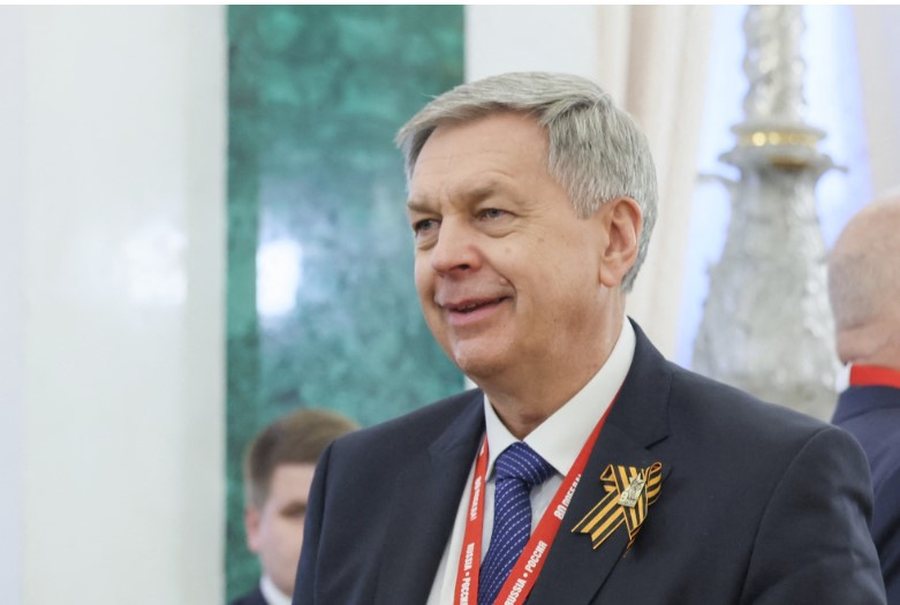
Much less is known about his Russian counterpart. The 64-year-old Kostyukov may hold a naval rank, but he is essentially a career intelligence officer. Having joined the navy after his education, he was quickly selected to study at the Military Diplomatic Academy in Moscow. This largely produces future generations of military attaches and GRU/GU officers. These are two categories that often overlap, and certainly so for Kostyukov. He served as an intelligence officer abroad, alternating stints in embassies (most recently in Greece in 2004) with time at the ‘Aquarium’, the service’s headquarters building on Grizodubovoy Street in northwest Moscow.
GU është e ndarë midis të ashtuquajturës agentura ('zyrë'), ana e shërbimit që mbledh informacione; analistëve që përpiqen t'i japin kuptim asaj që zbulojnë spiunët dhe forcave speciale Spetsnaz, të cilët mund të veprojnë. Agjenturat shpesh trajtohen si 'kostume' ose 'oficerë parketi' sepse shumë nga oficerët e tyre të inteligjencës njerëzore punojnë si atashe mbrojtës në ambasada të rehatshme jashtë vendit, ndërsa ata nga ana tjetër i shohin me përçmim sapogi-t ('çizmet') në Spetsnaz .
Gjenerali Igor Sergun, i cili drejtoi GU-në midis viteve 2011 dhe 2016 dhe konsiderohet gjerësisht si një nga krerët më të aftë të kohëve të fundit, ishte një ish-anëtar i Spetsnaz që më vonë shërbeu brenda agjencisë. Pasardhësi i tij, gjenerali Igor Korobov, ishte një analist karriere i cili kishte drejtuar drejtorinë e inteligjencës strategjike të GU-së. Kostyukov, në të kundërt, kishte një karrierë që shtrihej midis analistëve dhe agjencisë , duke qenë oficer i çështjeve të inteligjencës njerëzore jashtë vendit, drejtues agjentësh dhe më pas menaxher i departamentit analitik në Moskë.
Ndërsa marrëdhëniet e Rusisë me perëndimin u përkeqësuan, veçanërisht pas aneksimit të Krimesë në vitin 2014, Kostyukov ishte në atë kohë zëvendëskryetar i GU-së dhe luajti një rol të rëndësishëm në operacionet gjithnjë e më agresive jashtë vendit. Ai u sanksionua nga SHBA-të për rolin e GU-së në ndërhyrjen në zgjedhjet e SHBA-së në vitin 2016 dhe nga Mbretëria e Bashkuar pas përpjekjes për të helmuar Sergei Skripal në vitin 2018.
Megjithatë, deri atëherë, ylli i tij ishte qartësisht në ngritje, në fakt, deri atëherë, për një oficer inteligjence në Rusinë e Putinit, dënimet perëndimore ishin një lloj statusi simbol. Kostyukov u vlerësua me yllin e artë të Heroit të Federatës Ruse në vitin 2017 për rolin që luajti në Siri, duke përfshirë një numër udhëtimesh në Damask, dhe kur Korobov u sëmur në vitin 2018, ishte Zëvendës Admirali Kostykov ai që e zëvendësoi. Më vonë atë vit ai u emërua si pasardhësi i tij dhe zëvendësshef ex officio i Shtabit të Përgjithshëm, oficeri i parë detar që mbajti këtë pozicion në kohën pas-sovjetike. Vitin pasues, ai u gradua në gradën e admiralit të plotë.
Gjatë luftës në Ukrainë, Kostyukov ka mbikëqyrur GU-në, e cila luan role të shumëfishta: duke rritur operacionet shkatërruese në Evropë (dhe pothuajse me siguri duke qenë pas ekzekutimit të pilotit të helikopterit që dezertoi, Maxim Kuzminov, në Spanjë në vitin 2024), duke u përshtatur me dëbimin e kaq shumë agjentëve diplomatikë, duke rritur përdorimin e përfaqësuesve dhe mbledhjen e inteligjencës në distancë nga sateliti dhe interneti, duke kryer sabotime dhe vrasje brenda Ukrainës, si dhe duke mbajtur lidhje të fshehta me HUR-in.
This helps explain Moscow’s decision to appoint him to lead their delegation to the United Arab Emirates. Kostyukov is an apparent counterpart to Budanov, and while it is not clear whether the two men have ever met, they have some kind of relationship. By appointing Kostyukov, rather than a diplomat like foreign policy adviser Yuri Ushakov or a businessman like Kirill Dmitriev, Putin is also signaling that, as far as he is concerned, the claim to the remaining parts of the Donetsk region is the main issue up for discussion.
However, this also reflects Kostyukov’s own reputation. A European official who has interacted with him on several occasions found him ‘tough but sophisticated’. He can see the world as it really is. A Russian source found him ‘in the tradition of scholarly generals’, who will carry out their orders but interpret them ‘with some delicacy’. Given that Putin still seems to be demanding territorial concessions that most Ukrainians would consider humiliating, it will take all of these characteristics to break the current diplomatic deadlock. /Adapted from The Spectator /


Lini një Përgjigje