


 Shkruar nga Pamfleti
The blockade presents Iran with a new strategic dilemma. The options for escalation are dangerous, as they could lead to a resumption of fighting and a breakdown of the ceasefire with the US and Israel.

President Donald Trump's shift from military to economic warfare, through the blockade of Iranian ships and ports, represents an attempt to end the conflict without a new US-Israeli military offensive.
The logic of the operation is that, if Iran fails to export oil and import vital goods, it will face severe financial and humanitarian consequences, leaving it with no alternative but to accept American conditions for ending the war.
This assessment could prove accurate. An economy already battered by sanctions could quickly face critical food shortages, hyperinflation, and a banking crisis. Such a solution would be effective if Trump responded to Iran's attempt to block the global economy by partially restricting the Strait of Hormuz with a decisive naval maneuver.
However, the growing optimism among American officials, conservative media, and analysts that the blockade can bring Iran to its knees rests on an assumption that has often led the US astray in the Middle East.
The strategy assumes that Iran will respond to pressure in a “rational” manner, as perceived by Washington. But recent history shows that US adversaries such as Iraq, Afghanistan, Russia and Libya often do not act according to Western calculations of their national interests.
The hope is that Iranian leaders will make concessions to mitigate the extreme consequences of the blockade. The plan also suggests that economic deterioration could fuel domestic political discontent and challenge regime control. In the long term, it also ties into Iran’s apparent need for economic growth after an intense bombing campaign by the US and Israel.
But the idea that Iranian leaders will see the situation this way may be an unsafe assumption.
The revolutionary authorities have previously shown indifference to the suffering of the population, through successive political coups that, according to human rights organizations, have caused thousands of victims. The survival of the regime, despite the assassination of many senior leaders during the war, demonstrates a high tolerance for costs.
There is a possibility that the US is again underestimating Iran's resilience in a conflict that its leaders consider existential. According to reports by CNN and other media outlets, Trump had believed that a US-Israeli offensive would end the war quickly - before Iran took measures such as closing the strait.
Për këtë arsye, rezultati i bllokadës mund të varet nga koha.
A do të rritet presioni mbi Iranin dhe do të ndryshojë sjelljen e tij përpara se bllokada amerikane të përkeqësojë dëmet në ekonominë globale, të shkaktuara tashmë nga mbyllja e Ngushticës së Hormuzit, e cila ka reduktuar ndjeshëm furnizimin botëror me naftë dhe gaz?
Nëse jo, strategjia e re e Trump mund të kthehet në një kurth politik dhe të thellojë pasojat negative të luftës, e cila tashmë kërcënon edhe perspektivat elektorale të republikanëve.
Si mund të godasë bllokada ekonominë iraniane
Ashtu si shumë vendime të tjera të Trump gjatë luftës, bllokada duket e improvizuar dhe e paqartë në komunikim me publikun amerikan. Megjithatë, nga pikëpamja ushtarake, ajo është e realizueshme. Marina amerikane ka kapacitetet e nevojshme në rajon dhe përvojë të gjatë në zbatimin e bllokadave, përfshirë në ish-Jugosllavi, Haiti dhe së fundmi kundër tankerëve të naftës në Venezuelë.
Një analizë e “Foundation for Defense of Democracies”, e cituar gjerësisht në Uashington, argumenton se bllokada e mbajtur nga anijet amerikane jashtë Ngushticës së Hormuzit dhe e mbështetur nga aviacioni dhe trupat mund të jetë efektive.
Studiuesi i lartë i FDD-së, Miad Maleki, vlerëson se bllokada mund të dëmtojë shpejt ekonominë iraniane, të ndërpresë shumicën e tregtisë, të ndalojë eksportet e naftës dhe të shkaktojë inflacion dhe presion mbi monedhën brenda pak ditësh. Sipas analizës, Irani është veçanërisht i cenueshëm sepse mbi 90% e tregtisë së tij vjetore prej 109.7 miliardë dollarësh kalon përmes kësaj ngushtice. Për më tepër, vendi mund të detyrohet të ndalojë prodhimin e naftës brenda disa javësh, pasi nuk do të ketë ku ta depozitojë.
Kjo nënkupton se plani mund të kufizojë opsionet e Iranit në mënyra që sulmet ajrore nuk arritën ta bëjnë.
“Iranin e kemi goditur fort nga pikëpamja ushtarake, por nuk ia kemi mbyllur ekonominë. Kjo është arsyeja pse ata besojnë se kanë ende karta në dorë,” tha për CNN ish-komandanti suprem i NATO-s, admirali në pension James Stavridis.
Bllokada i paraqet Iranit një dilemë të re strategjike. Opsionet për përshkallëzim janë të rrezikshme, pasi mund të çojnë në rifillim të luftimeve dhe prishje të armëpushimit me SHBA-në dhe Izraelin. Forcat e Gardës Revolucionare mund të reagojnë duke rinisur sulmet ndaj aleatëve të SHBA-së në Gjirin Persik.
Një alternativë tjetër do të ishte që rebelët Houthi në Jemen, të mbështetur nga Irani, të bllokojnë një rrugë alternative të transportit të naftës përmes Detit të Kuq. Një veprim i tillë do të kishte pasoja të rënda për ekonominë globale dhe do të shtonte presionin politik mbi Trump.
Bllokada paraqet gjithashtu rreziqe për SHBA-në. Një nga objektivat e saj është të ushtrojë presion mbi vendet që blejnë naftë iraniane, si Kina dhe India. Por nëse forcat amerikane ndalojnë një anije kineze, kjo mund të shkaktojë incident diplomatik, veçanërisht në prag të një takimi të planifikuar mes Trump dhe presidentit Xi Jinping në Pekin.
Optimism for negotiations, but with uncertainty
The White House is optimistic that the blockade could lead to a new round of negotiations with Iran, following the failure of a previous meeting in Pakistan.
“Nothing is official until the White House communicates,” spokeswoman Caroline Leavitt said. “But we feel good about the prospect of a deal.”
However, the analysis notes that the administration has for weeks portrayed Iran as desperate for a deal, despite a lack of convincing evidence. Trump's approach, that any crisis can be resolved through a deal, has proven superficial in the face of complex geopolitical challenges.
In dealings with Ukraine, North Korea, and Iran, the administration has often emphasized economic benefits, without sufficiently appreciating the cultural, historical, and nationalistic factors of its opponents.
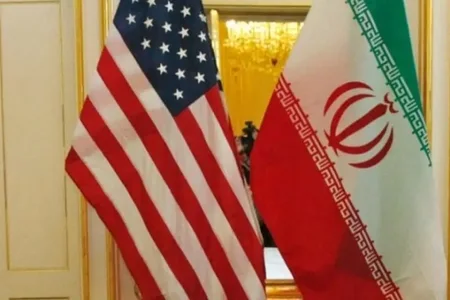
The meetings in Pakistan showed that the positions of the United States and Iran remain fundamentally incompatible. Washington seeks to permanently prevent Iran from possessing nuclear weapons, limit its missile capabilities and end support for allied groups such as Hezbollah and Hamas. Iran seeks compensation for the war and intends to preserve its missile arsenal and the theoretical right to enrich uranium.
However, there are some compromise options. A US official told CNN that the US has proposed a 20-year suspension of uranium enrichment, while Iran is only asking for five. An intermediate solution remains possible.
Achieving peace requires both sides to create a space of shared interest, where objectives can be presented as victories to the domestic public. This process is expected to take months and involve in-depth technical negotiations, including on nuclear physics issues.
In this context, the main question about the new US blockade on Iran is not only what happens if it fails, but also what follows if it works. / Adapted from CNN


Lini një Përgjigje