


 Shkruar nga Viviana Mazza
Trumpian negotiation mechanisms consist first of all of provoking or allowing tensions to reach a maximum point, then of suggesting compromises with costs, but also with gains for each side, and finally, of declaring victory in every case.
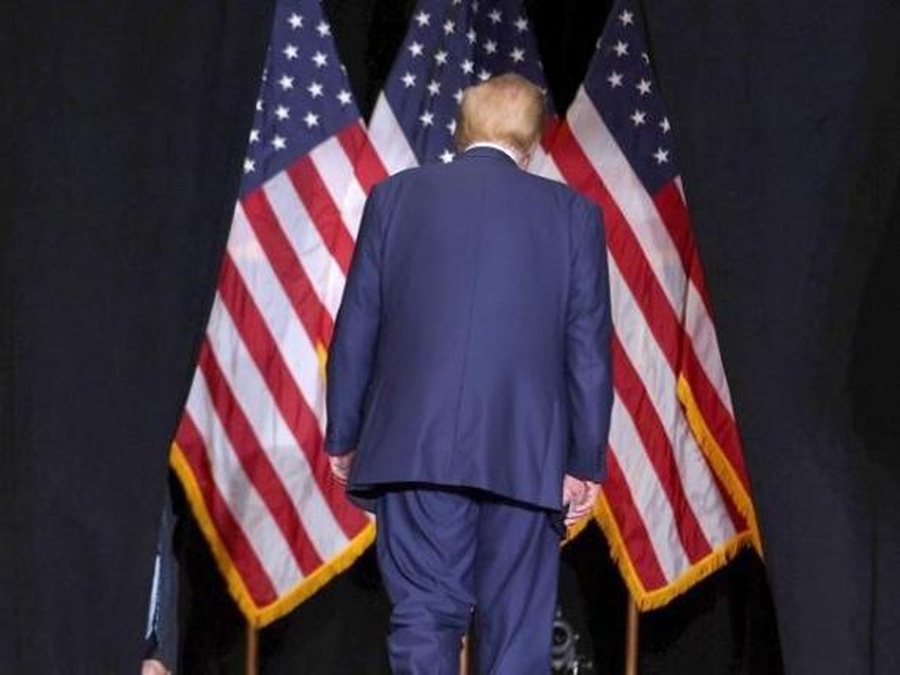
Trump’s foreign policy has been labeled many times, including America first, isolationist, transactional, imperialist, protectionist. In his inaugural address, Trump said that America’s success would be determined by “the wars we will never get into,” but he also talked about taking back the Panama Canal. He said it was time to end intervention in the Middle East, but also that the United States should control Gaza after the Palestinians are displaced. It is often said that Trump has no real “doctrine” and is focused only on making deals, but on Tuesday in Riyadh he gave what the White House called a major speech on foreign policy. His transactional approach has become “doctrine.”
Rejection of neoconservative thinking
It is a doctrine focused on "deals" as a source of stability and peace, which rejects both the "neoconservative" vision of his Republican predecessors and the liberal internationalism of the Democratic Party. Trump accuses them of "teaching others how to live and do business." Trump, a real estate developer, admires the growth of the Gulf countries, the stability and innovation of these authoritarian regimes: "The glittering wonders of Riyadh and Abu Dhabi were not created by so-called nation-builders, neoconservatives or progressive nonprofits like those who spent trillions and failed to develop Kabul and Baghdad."
And he rejects the entire doctrine of nation-building, which was bipartisanly supported in the US after World War II but discredited after Iraq and Afghanistan: "Ultimately, the so-called nation-builders destroyed more nations than they built, and the interveners intervened in complex societies they did not understand."
At times it seemed as if we were hearing again the left's criticism of the neoconservatives who were influencing George W. Bush's foreign policy.
"What Trump is saying is the classic doctrine of non-intervention dating back to John Stuart Mill, which many of us have supported, with one important exception: intervention to end massacres, which I suspect Trump would not be interested in," political philosopher Michael Walzer told Corriere.
“An argument can be made against creating American-style democracies in countries about which we know little and where military force is not the best way to promote democratic politics.”
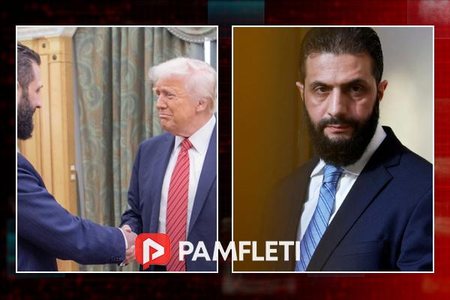
But there are different forms of intervention. And what Trump is doing in Syria, lifting sanctions and shaking hands with the new ruler, is an attempt to create a country friendly to the US and is an intervention in Middle Eastern politics, although not a classic neoconservative intervention to promote democracy.
Money is a value.
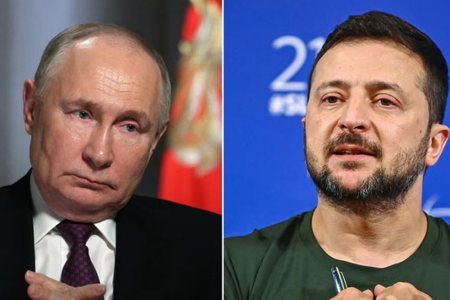
Trump is not a traditional isolationist. He presents himself as the only one who can end the conflicts in Ukraine and Gaza, the threat of Iran developing a nuclear bomb, the decades-old dispute between India and Pakistan over Kashmir, and suggests “intervention” in Canada and Greenland.
“Threatening Ukraine with a complete abandonment of American military support, then signing a deal that takes half of the profits from mineral resources and renews military support: this is interventionist politics,” says Walzer.
Neoconservatives, represented as “warmongers” by the Trumpian movement, aimed to export American democracy and its values: many of them supported the welfare state and unions, were conservative on cultural issues, social democrats on social issues, and hawks on foreign policy. The Economist argues that Trump and his inner circle, especially real estate developer and special envoy Steve Witkoff, also have a “global value system”, based on the universal value of money and the belief that any dispute can be resolved at a certain price.
Witkoff told commentator Tucker Carlson that peace produces profits, so it's "logical."
"The Trump Doctrine? You could call it crony capitalism on a global scale: making deals in the interests of yourself, your family, and American capitalists," say critics like Walzer.
"You make deals and you want a safe world for this kind of global economy."
But even his supporters, like former Representative Matt Gaetz, speak of a "Trump-era colonialism" based on trade.
And his interlocutors fit in. They are from the Gulf and Iran, from Syria, but also from Russia, investment offers come./ Corriere della Sera
And the mechanisms of Trumpian negotiations consist first of all of provoking or allowing tensions to reach a maximum point, then of suggesting compromises with costs, but also with gains for each side, and finally, of declaring victory in every case.




Lini një Përgjigje