


 Shkruar nga Pamfleti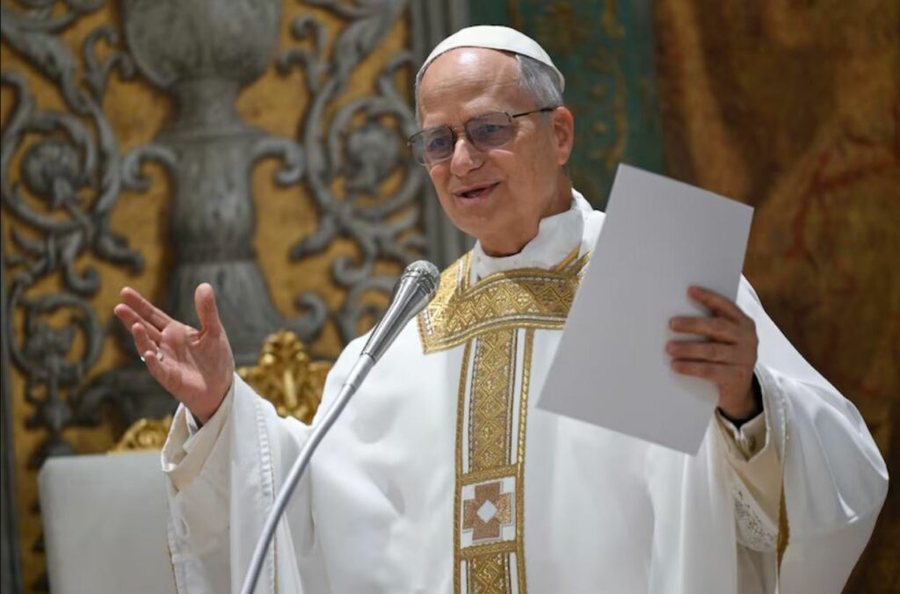
Pope Leo XIV offers Vatican mediation to achieve peace and receives the appreciation of Ukrainian President Volodymyr Zelensky.
To spread peace, Prevost declared yesterday: "I will make every effort. The Holy See is at your disposal so that enemies can meet and look each other in the eye, so that peoples can regain hope and be given the dignity they deserve, the dignity of peace. Peoples want peace and, with my heart in my hand, I say to the leaders of the peoples: let us meet, dialogue, negotiate."
Zelensky expressed his gratitude to the Pope “for his wise words about the readiness of the Holy See to play a mediating role in restoring global peace,” he wrote in X: “Peace is the most sacred desire of millions of people. We hope and make every effort to restore a worthy peace.”
The path of reconciliation
The Pope returned to speaking about peace during an audience he gave to representatives of the Eastern Churches in Rome, on the occasion of their Jubilee. “From the Holy Land to Ukraine, from Lebanon to Syria, from the Middle East to Tigray and the Caucasus, so much violence,” he said. The peace of Christ “is reconciliation, forgiveness, the courage to turn the page and start over.”
Parolin: "Istanbul is good"
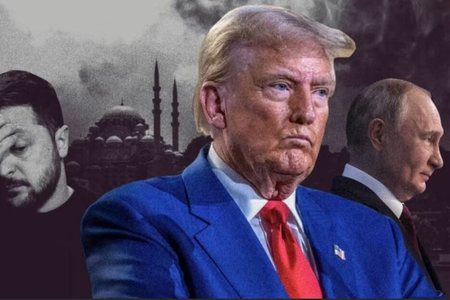
We, Cardinal Pietro Parolin stressed at the end of a meeting at the Pontifical Gregorian University dedicated to Ukraine, “are always ready to offer a space: talking about mediation is perhaps excessive, but at least about good services, about facilitation, without interfering with other initiatives that are under way.” Starting from the meeting in Istanbul: “We are happy that there is finally the possibility of a direct meeting, we hope that there the knots will be untied and a path towards peace can truly begin,” said the Vatican Secretary of State.
Leone and Francis
The words of Leo XIV are not as far removed from those of Francis as they may seem. The emphasis may be different, the context too, but the goal is always a peace that passes through “reconciliation” and overcoming a Manichean vision of geopolitics. It is true that over the years Bergoglio has used words that have irritated Ukrainians, when he mentioned the “white flag”, or said that NATO was “barking” at Russia’s doors. Just as it is true that Prevost, as a cardinal, denounced the “imperialist occupation” of Russia. But if the new Pope has “also used strong words”, Cardinal Pietro Parolin said yesterday when asked by journalists, this does not prevent Russia from appreciating “the Holy See’s position which aims to bring the parties closer together rather than create further divisions”. In his first public appearance after the Conclave, the Vatican Secretary of State noted the “spiritual and pastoral continuity” between Leone and “the late Pope Francis, whose pontificate was marked from the beginning by the tireless call for peace in Ukraine.” They are, Parolin emphasized, “two Popes and two voices, but united by the same sentiment.”
Avoid caricatures
Beyond the Tiber, the danger of simplifications that border on caricature is also clear. Because Francis has undoubtedly always tried to keep the door open to Moscow and to a mediation hypothesis, but he has also declared that “it is the Russian state that is invading, it is very clear” (interview with America magazine in November 2022), that in order to achieve peace, dialogue with the “aggressor” must take place even if it “resists” (on the return flight from Kazakhstan, in September 2022), and has repeatedly reiterated that Ukraine is a “martyred” country.
“No to Manichaean visions”
Leo XIV "will build bridges", assured Parolin, but to talk about a trip to Kiev is "premature". War 'is never inevitable", said Prevost yesterday, "others are not first and foremost enemies, but human beings: not bad people to be hated, but people to be talked to. We must move away from the typical Manichean visions of violent narratives, which divide the world into good and bad". The same words, as if listening to Pope Francis./Larepubblica


Lini një Përgjigje