


 Shkruar nga Pamfleti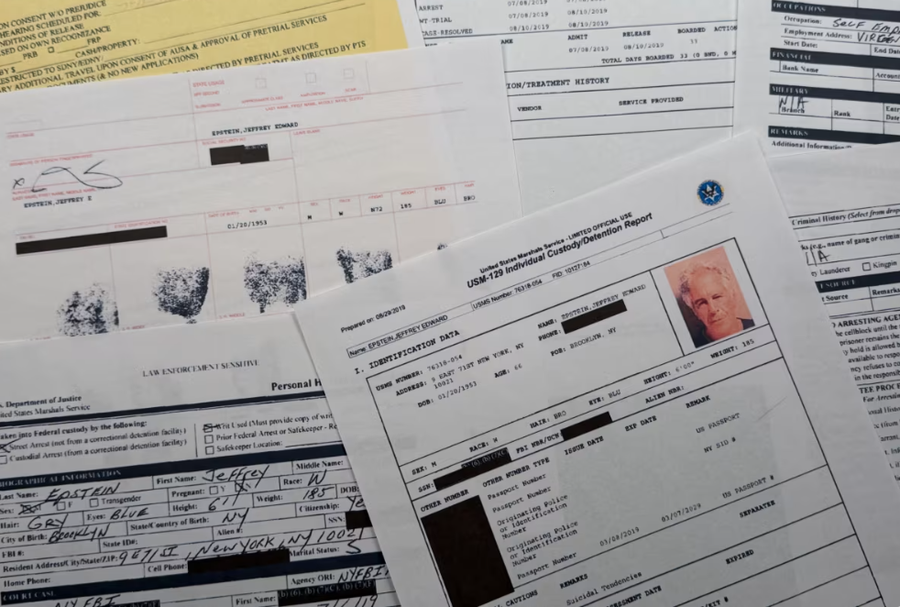
Doubts over redactions of files in the US and growing pressure for accountability, while in Europe investigations and political consequences are deepening...
Deputy Attorney General of the United States, Todd Blanche, vowed last month that the Justice Department was not protecting anyone, least of all Donald Trump.
These assurances, given by the president's former personal lawyer, are now facing new scrutiny following extraordinary developments in the Jeffrey Epstein scandal.
The intrigue deepened as lawmakers emerged confused by what they saw, after being given the opportunity to read unredacted versions of the investigative files, which had previously been released to the public with many parts redacted, as part of massive releases forced by Congress.
"We didn't want there to be a cover-up, and yet what I saw today was that there were many cases where people's names were redacted, even though they weren't victims," said Maryland Democratic lawmaker Jamie Raskin.
Lawmakers began reviewing documents at the Justice Department on a day when the fallout from the scandal was widening, revealing the extent of the global network of billionaires and powerful figures who had ties to the now-deceased sex abuser.
As new concerns emerged about the Justice Department's handling of the files and the case as a whole, accountability efforts are moving apace in Europe, where the political careers and reputations of powerful people have been severely shaken.
Survivors' suspicions that their long-running quest for justice was being thwarted once again were reinforced by an extraordinary offer to Trump from the lawyer for Ghislaine Maxwell, Epstein's imprisoned associate. The gist of the offer was this: if Maxwell were pardoned, she would clear the president of all charges.
Lawmakers who were able to see some unedited copies of the Epstein files did not directly accuse the Justice Department of a cover-up. However, their findings are expected to fuel distrust among many colleagues and the public about the way the case is being handled. This is especially so because the names of many people associated with Epstein were redacted in official releases, while the names of some victims remained visible.
Virginia Democratic Rep. James Walkinshaw demanded an explanation. “I can say that I saw a lot of names, including names in emails sent and received by Jeffrey Epstein, that suggest these individuals were involved in crimes or, at least, had knowledge of crimes,” he told CNN. “I’m not able to explain why they were redacted in a way that is consistent with the law.”
Raskin tha se departamenti nuk kishte shpjeguar arsyet për disa nga redaktimet, duke shtuar se kishte parë “një numër të madh rastesh që më dukeshin shumë të dyshimta dhe të pashpjegueshme”.
Deputeti demokrat Jared Moskowitz u tha gazetarëve se kishte parë “shumë emra, shumë bashkëpunëtorë dhe se vajza po trafikoheshin nëpër botë”.
Sipas rregullave, Departamenti i Drejtësisë duhej t’i kufizonte redaktimet vetëm te informacionet personale të viktimave dhe materialet që mund të rrezikonin një hetim penal aktiv. Gjithashtu, Kongresi ende nuk ka marrë një listë shpjeguese zyrtare nga departamenti, ku të sqarohen arsyet e çdo redaktimi, një dokument që ligji kërkon të dorëzohet brenda 15 ditësh nga publikimi i dosjeve më 30 janar.
Përvoja e ligjvënësve paralajmëron një pritje edhe më të ashpër për Prokuroren e Përgjithshme Pam Bondi, kur ajo të dëshmojë para Komisionit Gjyqësor të Dhomës së Përfaqësuesve. Shumë demokratë besojnë se departamenti i saj, qoftë me qëllim apo nga neglizhenca, nuk po zbaton Ligjin për Transparencën e Dosjeve Epstein, të miratuar pas një rebelimi të republikanëve kundër Trumpit vitin e kaluar.
Autorët e ligjit, deputeti demokrat Ro Khanna dhe republikani Thomas Massie nga Kentucky, kanë shprehur zhgënjim për veprimet e Departamentit të Drejtësisë.
Manovra e jashtëzakonshme e Maxwell
E hëna ishte një tjetër ditë tronditëse në pasojat e skandalit Epstein.
Maxwell u lidh nga burgu në Teksas për të dhënë dëshmi para një komisioni të Dhomës së Përfaqësuesve që po heton çështjen, por ajo invokoi Amendamentin e Pestë për të shmangur vetëinkriminimin, siç e lejon Kushtetuta.
Megjithatë, avokati i saj bëri një propozim befasues. “Znj. Maxwell është e gatshme të flasë plotësisht dhe me ndershmëri nëse i jepet falje nga Presidenti Trump,” deklaroi avokati David Oscar Markus, duke shtuar se “vetëm ajo mund të japë versionin e plotë”.
Ai theksoi se, sipas Maxwell, si Presidenti Trump ashtu edhe ish-Presidenti Bill Clinton janë të pafajshëm për çdo shkelje. Asnjëri prej tyre nuk është akuzuar për ndonjë krim në lidhje me Epstein dhe të dy i kanë mohuar lidhjet kriminale.
Trump ka pasur vështirësi të shpjegojë miqësinë e tij me financierin e diskredituar dhe ka deklaruar se e përjashtoi Epstein nga klubi Mar-a-Lago pasi marrëdhëniet e tyre u prishën.
Oferta për falje shihet si simbol i një epoke ku tentativa për shkëmbime favorësh bëhen publikisht, në përpjekje për të ndikuar një president që shpesh ka sfiduar normat etike dhe ka përdorur pushtetin e tij në mënyrë kontroverse. Çdo deklaratë e Maxwell, në rast lirimi, do të shihej me dyshim për shkak të interesit të saj personal, por duke pasur parasysh historikun e përdorimit të faljeve nga Trump, kjo manovër nuk përjashtohet si e pamundur.
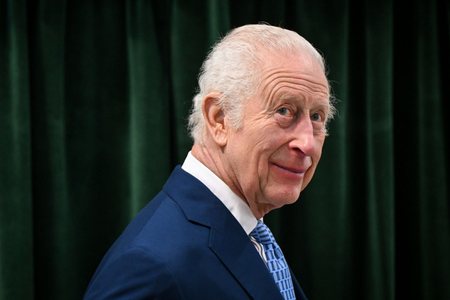
While accountability in the US appears to be stifled, the contrast with Europe is stark. In Britain, Prime Minister Keir Starmer is facing a political crisis over the appointment of Peter Mandelson, a former friend of Epstein, as ambassador to Washington. King Charles III has offered to cooperate with police in any investigation into his brother, the former Prince Andrew, who has lost his royal titles.
Investigations are also underway in Norway, France and Poland, damaging the reputations of well-known public figures.
But the core of the issue remains the suffering of the victims. “Survivors know what happened,” Liz Stein, one of Epstein’s victims, told CNN. “When we see things coming out that don’t align with our truth, we notice it right away.” /Adapted from CNN /




Lini një Përgjigje