


 Shkruar nga Pamfleti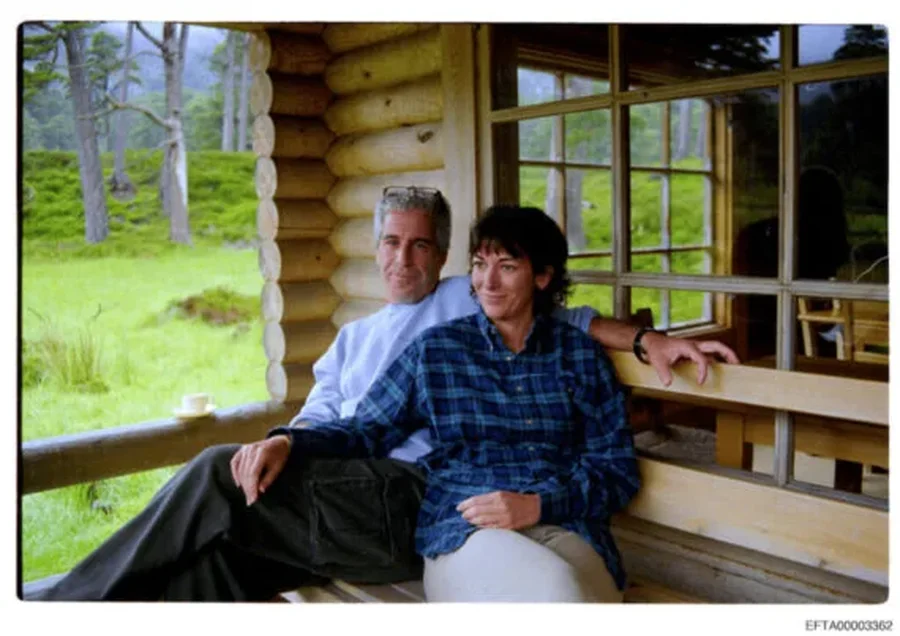
Beyond the rumors and sensational details, the Epstein case may reveal how sex has historically been used as a tool of influence, blackmail, and control among global elites...
The recently released files on Jeffrey Epstein have been largely presented as a high-society scandal: names, flights, an island, politicians, billionaires, royals, and dark details that circulate like gossip. This voyeuristic treatment is understandable, but it misses the point. It frames the Epstein case as shocking sexual deviance and pedophilia, when in fact it may reveal how power works in global politics and within elites.
What if the Epstein case wasn't just about criminal sexual abuse, but about something much older and colder: the use of sex as an infrastructure for blackmail, silence, influence, information, and control?
History offers many precedents. Sex has never been simply private; it has always been political. During the 20th century, intelligence services turned this knowledge into an operational method, developing techniques that turned intimacy into a weapon. This practice has a name: sex espionage, often carried out through so-called “honeypot” operations, where “sexual access” is used to compromise targets, extract information, force them to cooperate, or secure loyalty or silence.
During the Cold War, the East German secret service, the Stasi, perfected the so-called “Romeo operations,” sending attractive agents to seduce West German secretaries and officials. The Soviet KGB relied heavily on sexual compromise, using bugged hotel rooms and staged meetings to control targets. In one famous case, former KGB agent Yuri Bezmenov described how female agents seduced foreign diplomats and journalists, while hidden cameras recorded compromising material that was then used for blackmail.
Britain's MI6 was not innocent either. The 1963 Profumo scandal revealed that British War Secretary John Profumo shared the same mistress, Christine Keeler, with Soviet naval attaché Yevgeny Ivanov, exposing serious security weaknesses at the highest levels. The scandal showed that sex espionage operated on both sides of the Cold War, with elite circles serving as hunting grounds for targets.
The Israeli Mossad has also faced ongoing accusations of using sex traps. The most notorious case involves Mordechai Vanunu, an Israeli nuclear technician, who was lured from London to Rome by a Mossad agent posing as an American tourist named “Cindy.”
Ajo e joshi dhe ai u rrëmbye më pas në Izrael, ku u burgos për 18 vjet. Më vonë, kanë dalë edhe pretendime se Mossad-i ka përdorur materiale komprometuese të mbledhura në pronat e Epstein-it.
Ndërkohë, edhe Ministria e Sigurisë së Shtetit në Kinë ka përdorur agjentë të njohur si “swallows” (agjente femra) dhe “ravens” (agjentë meshkuj) për të synuar zyrtarë të huaj. Në vitin 2020, kongresmeni amerikan Eric Swalwell u vu nën vëzhgim për marrëdhënien e tij me Christine Fang, e dyshuar si agjente kineze, e cila kishte ndërtuar lidhje me disa politikanë amerikanë përmes mbledhjes fondesh, marrëdhënieve romantike dhe aksesit shoqëror.
Pika kyçe nuk është se cili shërbim inteligjent bëri çfarë. Ajo që ka rëndësi është të pranohet se komprometimi seksual ka qenë prej kohësh një “monedhë” e besueshme në botën e pushtetit, spiunazhit dhe politikës.
Njerëzit e fuqishëm bëhen të kontrollueshëm në heshtje
Më e rëndësishmja, seks spiunazhi nuk ka nevojë për flamuj, uniforma apo burokraci formale të inteligjencës. Ai mund të nënkontraktohet, të privatizohet dhe të integrohet në rrjete shoqërore elitare. Oligarkë, ndërmjetës, financierë dhe aktorë pranë shërbimeve të inteligjencës kryejnë të njëjtin funksion: krijojnë situata ku njerëzit e fuqishëm bëhen të kontrollueshëm në heshtje. Ndikimi politik nuk ecën gjithmonë përmes kanaleve zyrtare; ai kalon përmes darkave, festave, dhuratave, favoreve dhe seksit.
Në këtë këndvështrim, Jeffrey Epstein duket më pak si një përbindësh i vetëm dhe më shumë si një lehtësues brenda një ekosistemi më të gjerë. Kjo nuk e zbeh përgjegjësinë e tij si abuzues serial. Rëndësia e Epstein-it nuk qëndronte vetëm në atë që bënte, por në atë që kontrollonte. Ai kishte akses të jashtëzakonshëm te presidentë, kryeministra, princër, miliarderë dhe akademikë. Ai operonte avionë privatë, rezidenca të izoluara dhe një ishull përtej mbikëqyrjes së lehtë ligjore. Veprimtaria e tij tregonte modele të qarta: përsëritje, orare, rekrutim dhe lëvizje ndërkufitare. Kjo sugjeron organizim dhe planifikim.
Ndërkohë, paratë qarkullonin në kanale të errëta. Autoritetet hezitonin. Ndëshkimet ligjore mbetën çuditërisht të lehta. Kjo sinjalizon ose mbrojtje, ose frikë nga ekspozimi, ndoshta të dyja.
Pyetja thelbësore nuk është vetëm çfarë ndodhi, por kush përfitoi. Kush fitoi nga afërsia me rrjetin e Epstein-it? Kush u komprometua, u mbrojt apo u bë i bindur? Dhe pse sistemi i sigurisë, inteligjencës dhe drejtësisë dështoi kaq vazhdimisht, për kaq gjatë, të ndërhynte në diçka që shumë brenda elitës së Nju Jorkut e dinin dhe e përmendnin si thashethem?
Këto nuk janë pyetje konspirative. Ato janë analiza strukturore të një rrjeti ndërkombëtar seks spiunazhi. Kur pushteti implikon shumë aktorë, ai priret të mbrojë veten.
But any discussion of sex espionage must confront its moral core. These operations are not games of wits between equals. They are violent and exploitative. They are based on deep inequalities: gender, economic, age, and legal. Many of Epstein’s victims were young, poor, and vulnerable, seeking opportunity in a world with few protections. Their bodies were turned into spaces where elite power was exercised and reinforced.
The victims were not tools. They were targets. Their “consent” was produced through pressure, deception, and inequality. Sex espionage works precisely because it transforms human vulnerability into leverage. This logic is deeply patriarchal, but also imperial. It relies on lives considered expendable, borders permeable, and the assumption that the suffering of some people will have no consequences.
The Epstein files force an uncomfortable confrontation with the way modern power works. They suggest that accountability collapses when compromise becomes widespread among elites. When many influential figures are implicated, exposure threatens not just individuals but entire networks of power and interests. Silence therefore becomes a collective interest. Courts drag on. Media outlets are wary. Intelligence services invoke national security.
This doesn't require claims that can't be proven. It requires accepting what history has already shown: sex, secrecy, and power are deeply intertwined.
To call a global espionage sex "conspiracy theory" is to ignore decades of documented intelligence services' practices in extracting information.
The Epstein case should not be remembered only as a grotesque scandal. It should serve as a warning. When sexual exploitation becomes a form of governance, formal or informal, democracy and international order are compromised. Transparency, independent investigations, and survivor-centered justice are not optional moral gestures. They are guarantees against a politics ruled by blackmail and silence. /Adapted from PoliticToday /






hordhite serbo-ruse ne veprin, por do thyejn koken perpara popullit shqiptar