


 Shkruar nga Pamfleti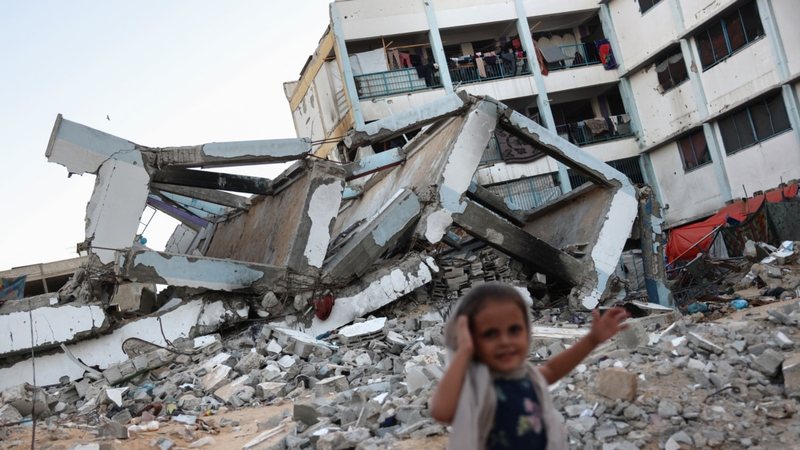
As the anniversary of the October 7 attack by Hamas militants in southern Israel approaches, many European countries are stepping up their calls for Israel to end the war in the Gaza Strip amid concerns over rising civilian casualties. European officials are also concerned by the dire humanitarian situation in the Gaza Strip.
Hamas's attack on Israel on October 7 last year, which killed 1,200 people, sparked outrage among European allies and was followed by a wave of support for Israel.
"Hamas and those who support Hamas are fully responsible for this horrific act of terrorism," then British Prime Minister Rishi Sunak said.
Israel responded with airstrikes against Hamas positions and launched military ground operations in the Gaza Strip. At the end of 2023, the Hamas-run Ministry of Health said that some 22,000 Palestinians had been killed. Concern began to grow over the high number of civilian casualties.
"Western governments found it very difficult to withdraw from the clear initial support they gave to Israel," says Andreas Krieg, studies at King's College London.
There were also global concerns about the low amount of aid that was allowed to enter the Gaza Strip.
South Africa filed genocide charges against Israel at the International Court of Justice in The Hague, which was supported by other countries such as Spain, Ireland and Belgium. Israel insists it is acting in accordance with international law.
Negotiations to reach a ceasefire have so far not brought results.
"The Europeans do not have the influence and power of the United States to take action on this issue, other than engaging in diplomatic efforts. Without strong pressure on Prime Minister Netanyahu's government, nothing will change," says expert Andreas Krieg.
In July, Britain dropped a plan to challenge an International Criminal Court arrest warrant for Israeli Prime Minister Benjamin Netanyahu based on war crimes charges. In September, Britain announced it was suspending some arms sales to Israel.
"Britain is taking more steps to express displeasure at some of Israel's actions. But in a visit a few days ago to Israel, I heard many people say that "if we have to choose between security and international support, we will always choose our security", says Bronwen Maddox, director of the organization "Chatham House".
Germany is Israel's second largest arms supplier after the United States, but Berlin has also suspended some arms exports.
"Germany did this because it does not want to be affected by possible legal actions," says expert Andreas Krieg.
European countries that offered strong support to Israel in the run-up to October 7. After a year of brutal conflict, which continues to escalate, most are now calling for an end to the fighting.
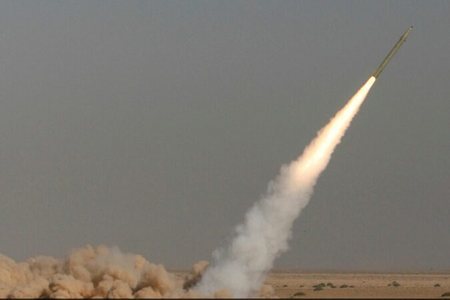
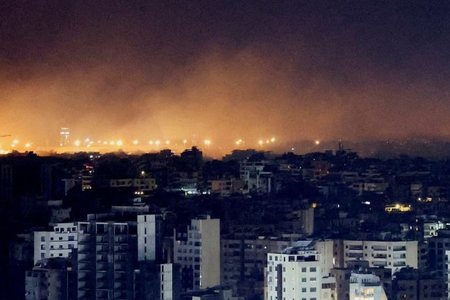
But after Iran's ballistic missile attack against Israel yesterday, Prime Minister Netanyahu said Iran would pay dearly for the attack, while Tehran said any retaliation by Israel would bring an Iranian response of "great destruction," thus increasing the fear of a wide regional conflict./ VOA


Lini një Përgjigje