


 Shkruar nga Pamfleti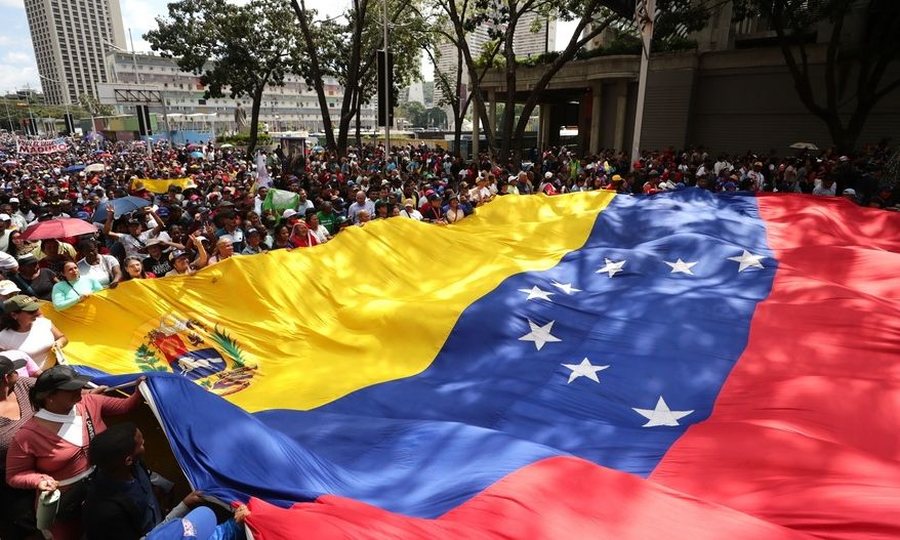
Why is this particular Latin American country considered so important?
The political crisis in Venezuela is entering a new phase, following the arrest of Nicolas Maduro by the United States and the assumption of the presidency by former Vice President Delcy Rodriguez.
The developments have provoked strong international reactions, with Washington strongly defending its intervention.
In a country of great strategic importance due to its energy reserves, the political scene remains extremely fluid, while the future of governance remains uncertain.
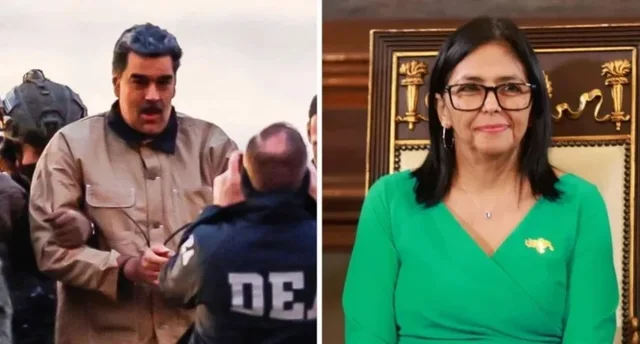
While Nicolas Maduro appeared in a US court declaring that he remains the country's legitimate president, Delcy Rodriguez, who many believe has the approval of Donald Trump, was sworn in as the country's president.
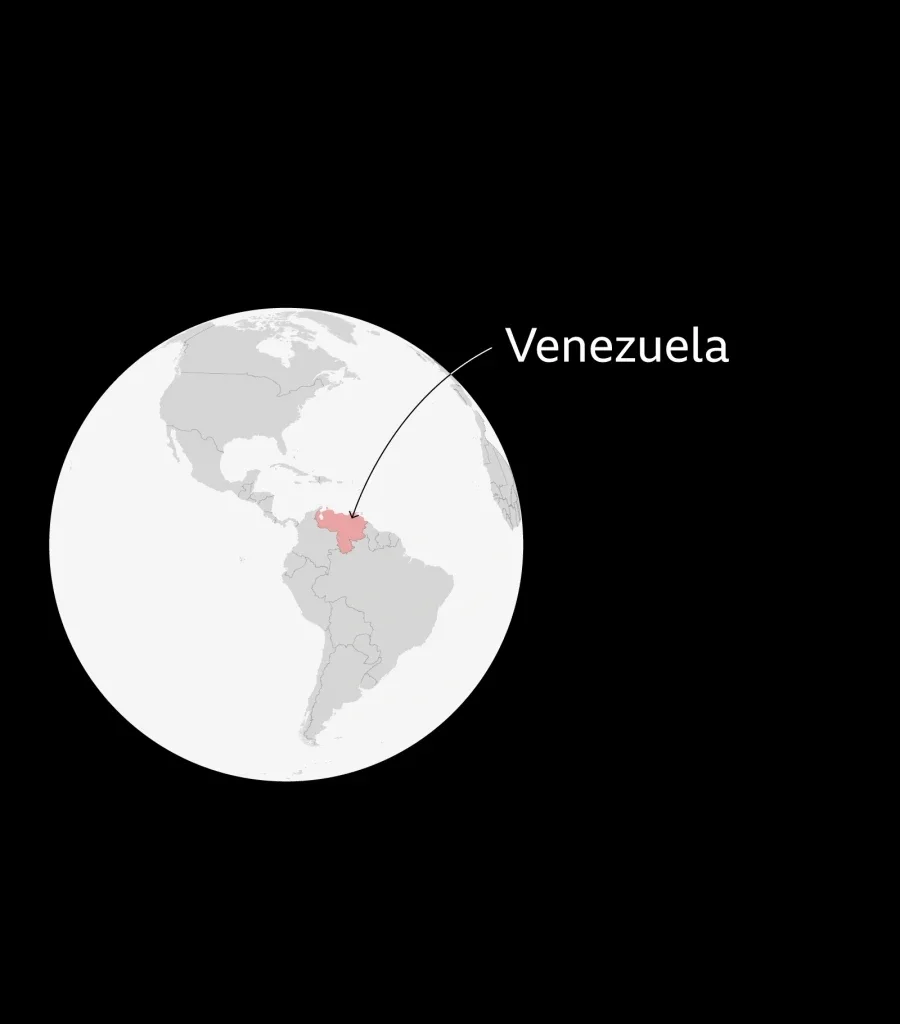
The BBC created 5 maps that briefly explain why Venezuela is considered so important geopolitically, prompting such intervention by the US.
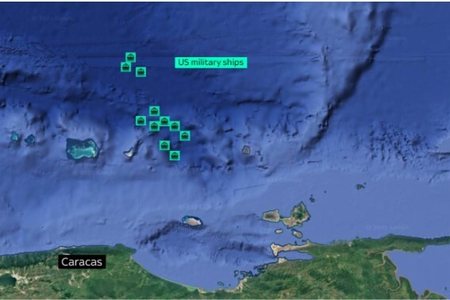
Location
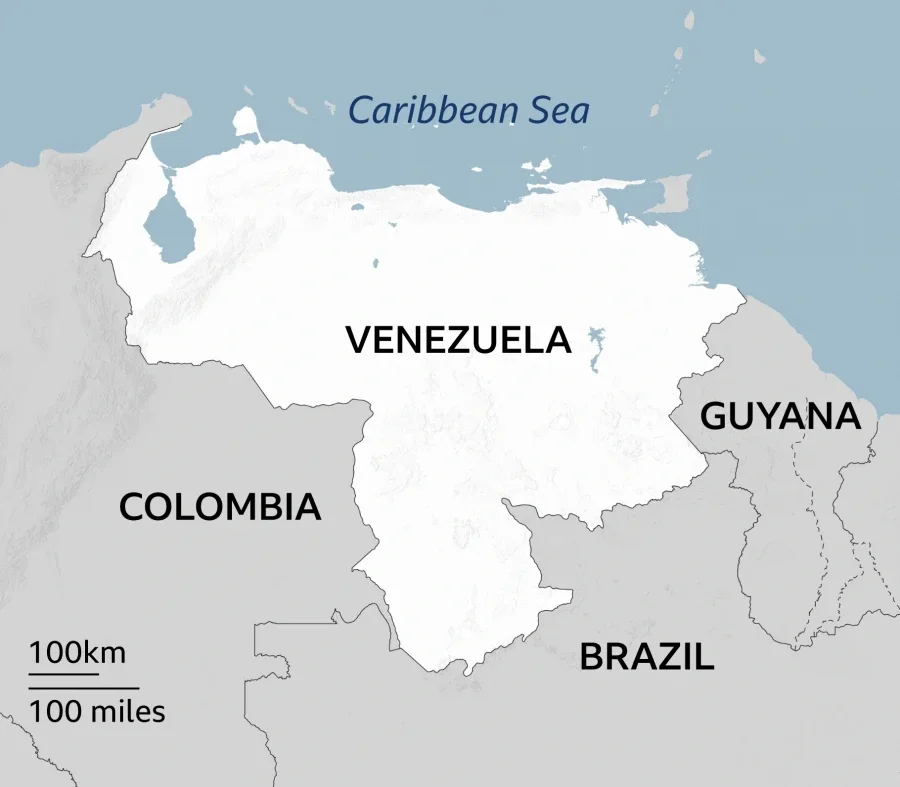
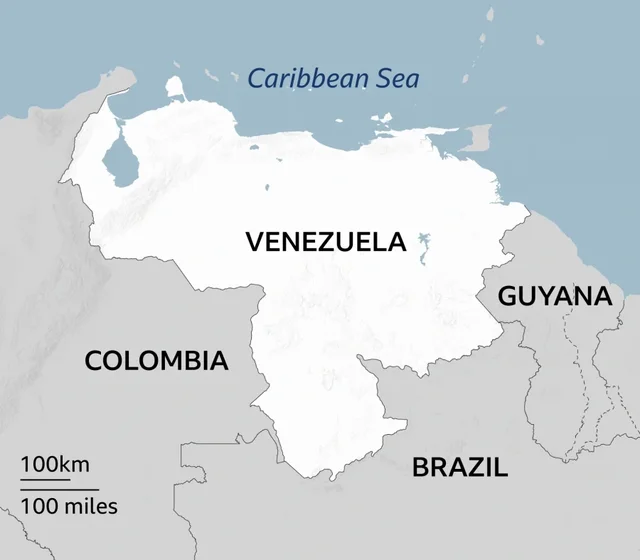
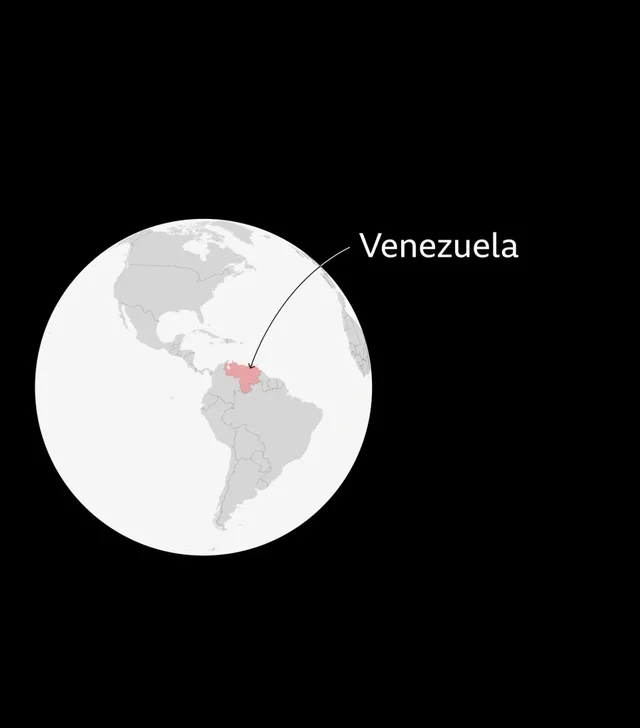
Venezuela is located on the northern coast of South America and has a wide coastline along the Caribbean Sea. It is bordered by Colombia to the west, Brazil to the south, and Guyana to the east.
Population
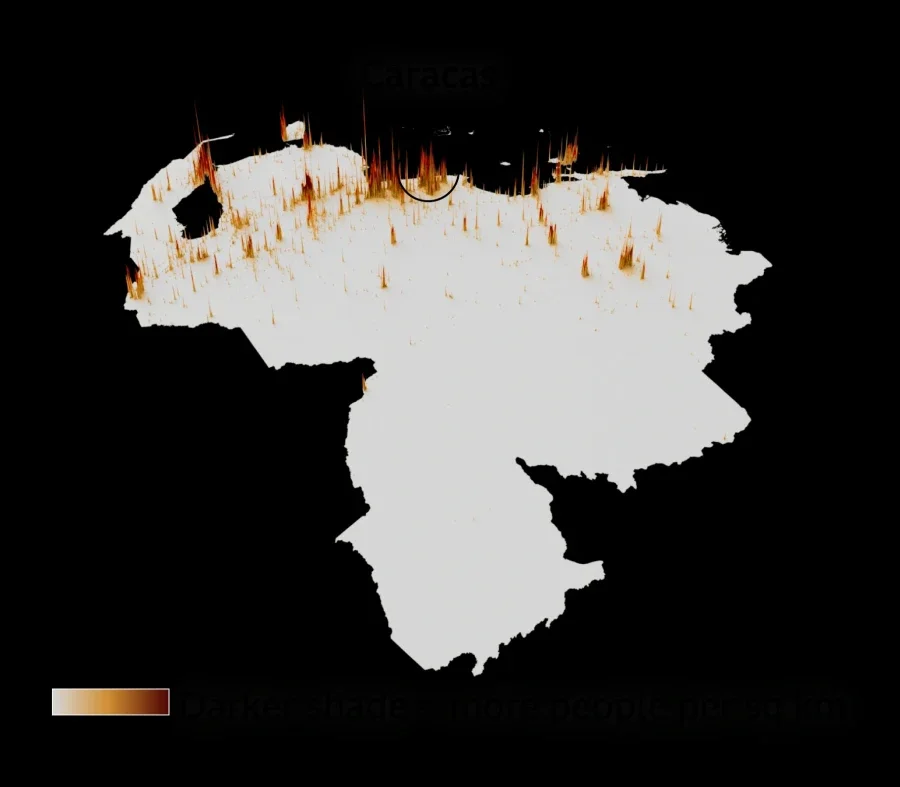
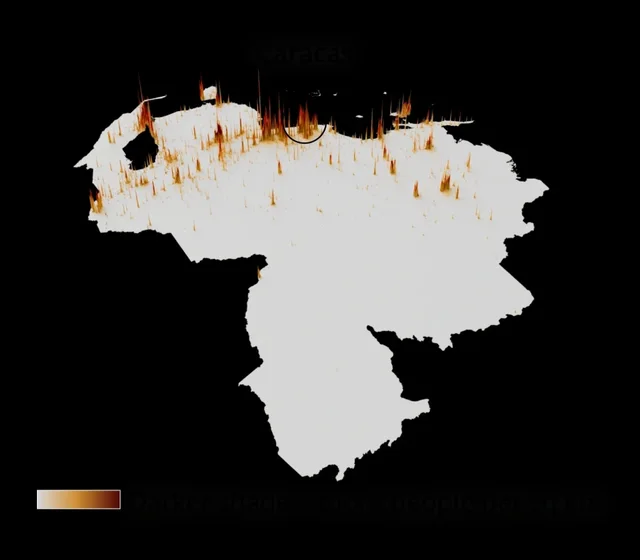
Venezuela has a population of approximately 28 million, with the majority living in the northern part of the country.
Approximately 5 million people live in the capital, Caracas, or in its wider metropolitan area.
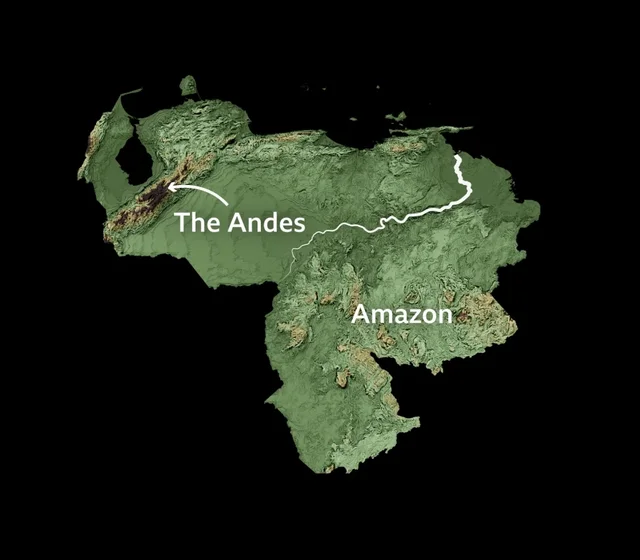
Soil morphology
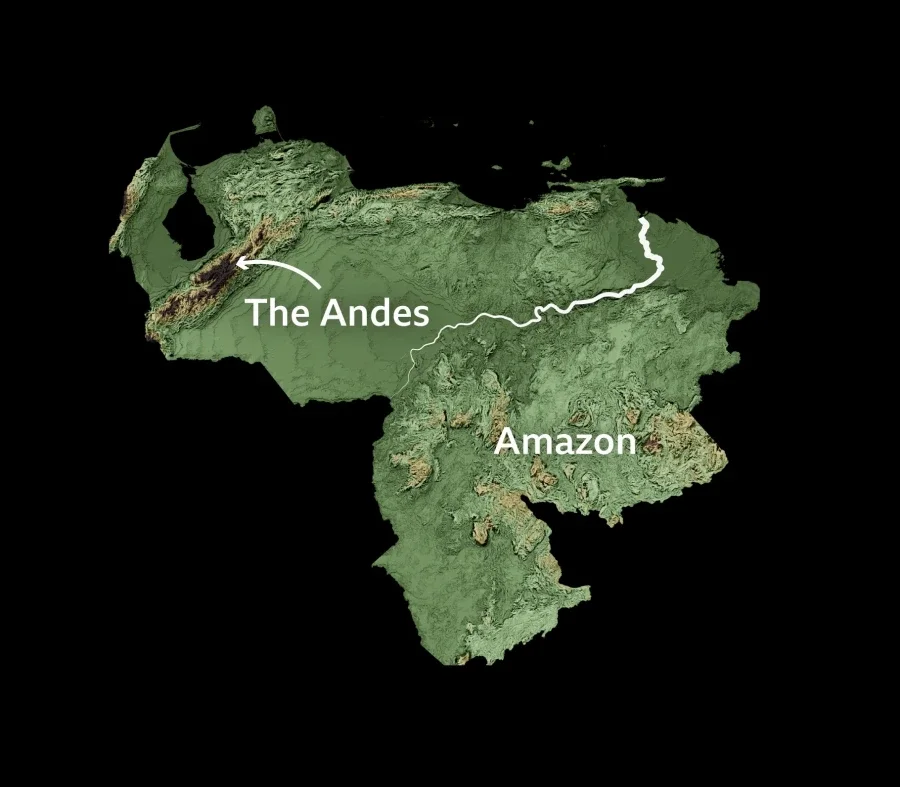
The Andes mountain range stretches from Venezuela's western border with Colombia to its northern coast.
The southern part of the country is dominated by the Amazon rainforest, which extends north from Brazil.
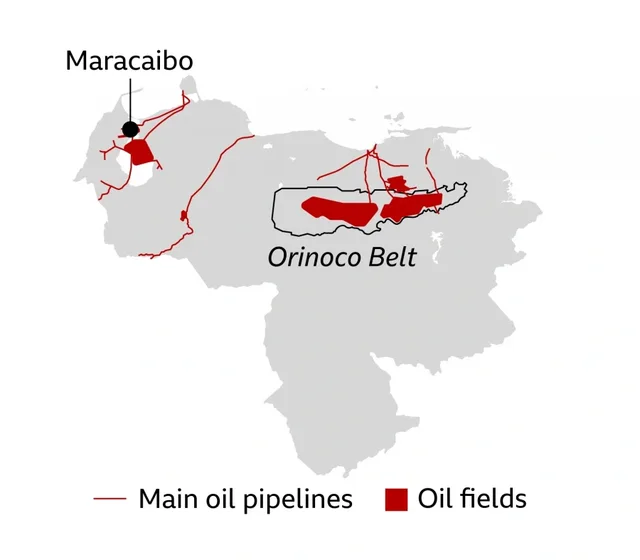
Natural resources
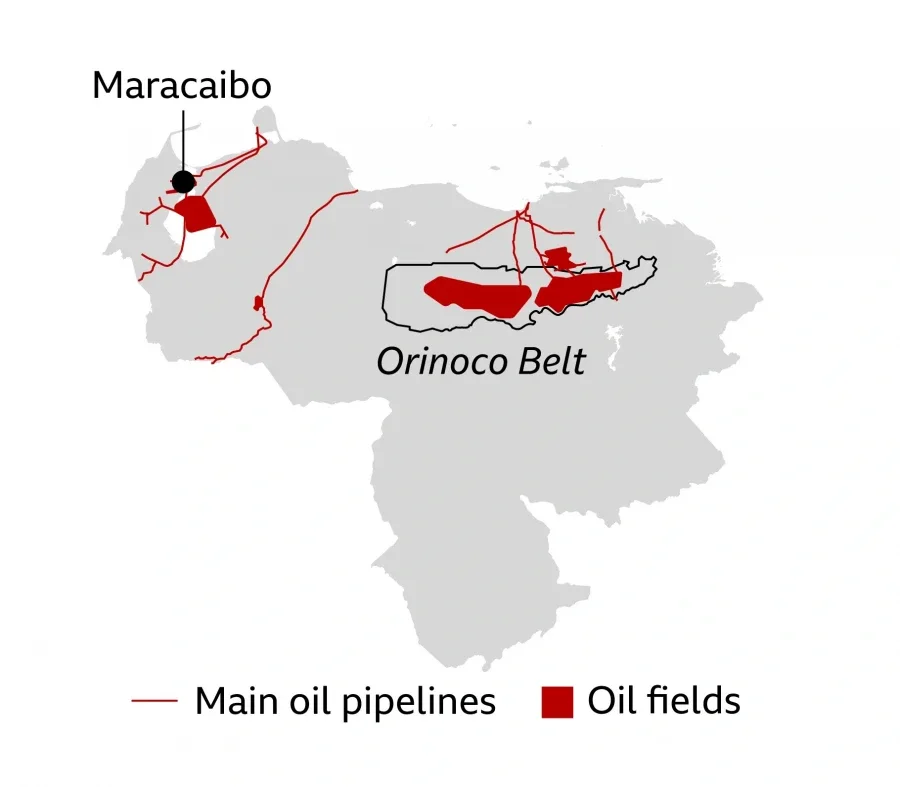
Venezuela has the world's largest proven oil reserves, as well as significant amounts of coal, ore, bauxite, and gold. The largest oil deposits are located in Lake Maracaibo, in the northwest, and in the Orinoco basin.
Politics
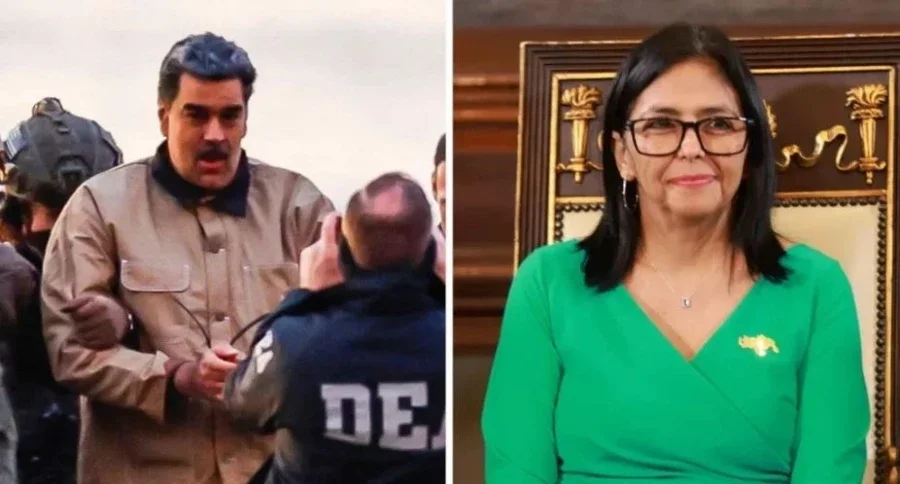
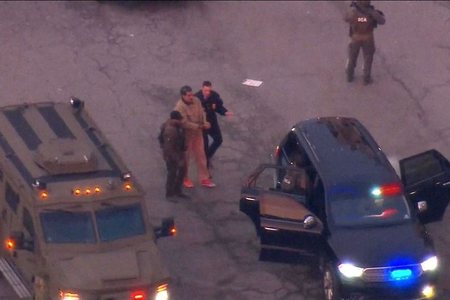
Vice President Delcy Rodriguez took office following the arrest of President Nicolas Maduro by the US on January 3.
Maduro had been in power since 2013, but the last elections were denounced as rigged.
Delcy Rodriguez was sworn in as interim president of Venezuela, in a session of the National Assembly that began with demands for the release from US custody of ousted president Nicolas Maduro.
Rodriguez, 56, the country's vice president since 2018, said she was shocked by what she called the "kidnapping" of Maduro and his wife, Celia Flores, who were arrested by US forces in an operation on Saturday night.
"I am still the president of Venezuela"
A few hours earlier, in a dramatic scene in a New York courtroom, Maduro insisted he remained president of Venezuela, pleading not guilty to four charges related to drug trafficking and terrorism.
Ndërkohë, Shtetet e Bashkuara janë kritikuar ashpër në Kombet e Bashkuara. Ambasadori amerikan u përgjigj se rezervat më të mëdha të energjisë në botë nuk mund të mbeten në duart e një "udhëheqësi të paligjshëm" dhe "të arratisur".
Përpara se Maduro të paraqitej në gjykatë, Këshilli i Sigurimit i OKB-së mbajti një takim urgjent mbi situatën në Venezuelë.
Ambasadori i vendit në OKB, Samuel Moncada, denoncoi se Venezuela kishte qenë shënjestër e një "sulmi të armatosur të paligjshëm pa asnjë justifikim ligjor".
Nga ana e tij, ambasadori i SHBA-së në OKB, Mike Walz, e përshkroi Maduron si një "president të vetëshpallur të paligjshëm", duke pretenduar se SHBA-të kryen një "operacion kirurgjikal të zbatimit të ligjit" për ta arrestuar atë, të cilin ai e quajti përsëri një "të arratisur".
Akuzat dhe tensioni në gjykatë
Maduro akuzohet për komplot për të kryer narkoterrorizëm, komplot për të importuar kokainë, posedim të mitralozëve dhe pajisjeve shpërthyese, si dhe komplot për të poseduar armë të tilla.
Gjatë seancës dëgjimore të pasdites të hënën, një anëtar i audiencës filloi të bërtiste në spanjisht se Maduro do të “paguante” për atë që kishte bërë. Ai u kthye nga ai dhe u përgjigj se ai ishte një “president i rrëmbyer” dhe një “i burgosur lufte”, përpara se të largohej nga salla e gjyqit me pranga, pas gruas së tij, përmes daljes së pasme të sallës së gjyqit.
"Unë jam një njeri i mirë. Unë jam ende president i vendit tim", tha ai më herët në seancën dëgjimore 30-minutëshe. Gjykatësi Alvin Hellerstein, 92 vjeç, e ndërpreu, duke thënë "do të ketë një kohë dhe një vend për të diskutuar të gjitha këto".
Reagimet në SHBA dhe deklaratat e Trump
Duke folur disa orë pas sulmit të së shtunës, ku përfshiheshin më shumë se 150 avionë dhe 200 personel ushtarak amerikan që hynë në Venezuelë, Donald Trump tha se SHBA-të do ta “drejtonin” vendin derisa të ishte i mundur “një tranzicion i sigurt, i rregullt dhe i kujdesshëm”.
Më vonë të hënën, pas një takimi informues me dyer të mbyllura që zgjati dy orë e gjysmë në Capitol Hill, udhëheqësi i pakicës në Senat, Chuck Schumer, e quajti planin e SHBA-së për Venezuelën "të paqartë, të dëshiruar dhe të pakënaqshëm".
"Nuk kam marrë asnjë siguri se nuk do të përpiqemi të bëjmë të njëjtën gjë në vende të tjera", tha ai, duke shtuar se "kur Shtetet e Bashkuara angazhohen në këtë lloj ndryshimi regjimi dhe në të ashtuquajturin ndërtim shteti, në fund kjo gjithmonë dëmton vetë vendin".
Kryetari i Dhomës së Përfaqësuesve, Mike Johnson, mohoi se SHBA-të po kërkonin ndryshim regjimi, duke thënë se kjo ishte "një kërkesë për një ndryshim në sjellje nga një regjim". Ai e quajti operacionin "vendimtar dhe të justifikuar", duke theksuar se SHBA-të "gjithmonë rezervojnë të drejtën për të përdorur forcën për të mbrojtur interesat e tyre kombëtare".
"We also have means of persuasion," he added, referring to the seizure of the country's oil exports, estimating that this will lead to "a new government in a very short period of time."
Trump has also pledged that US oil companies will enter Venezuela to restore infrastructure and "start generating revenue for the country."
Support for Rodriguez and next steps
Despite the US president's statements, Maduro's allies remain in power. In an interview with The Atlantic magazine, Trump warned that Rodriguez could "pay a very big price, maybe more than Maduro" if he "doesn't do the right thing".
However, she left open the possibility of limited cooperation with the US, stating: "We call on the US government to work with us on a cooperation agenda oriented towards common development, within the framework of international law."
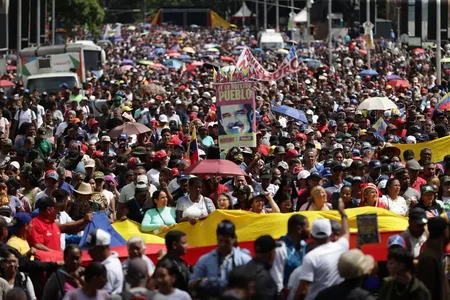
Thousands of supporters gathered outside the Federal Legislative Palace, expressing their support for Maduro, his wife and interim President Rodríguez. After her inauguration, Rodríguez said she took office "with pain" because of the suffering caused by the "illegal military offensive", vowing to ensure the country's peace and social and economic stability.
Maduro's son also spoke at the National Assembly, expressing his "unconditional support" for Rodriguez and declaring that his parents "will return" to Venezuela.
The next hearing in the Maduro case is scheduled for March 17. /Adapted from BBC /


Lini një Përgjigje