


 Shkruar nga Pamfleti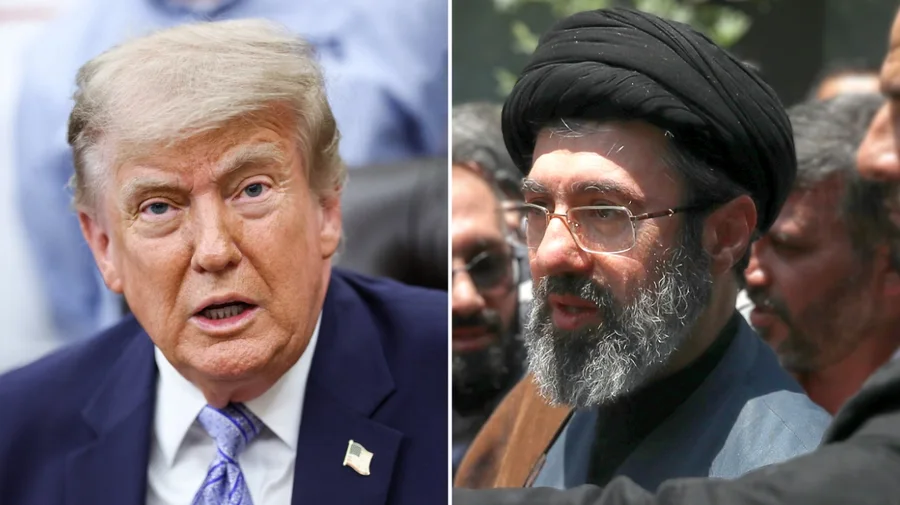
Oil is falling, but mistrust remains between Washington and Tehran. Trump seeks agreement without creating the impression of an American withdrawal…
The United States and Iran have reached a preliminary agreement on ending their conflict in the Middle East. However, the road ahead remains long, diplomats say, as it will take several more days for both sides to finalize the deal. Once that is done, a 60-day period will begin during which the peace agreement will be implemented on the ground.
The markets, albeit cautiously, are reacting positively: the price of Brent oil has fallen below the "psychological threshold" of $100 per barrel, while shares in the S&P500 index have recorded a slight increase.
The agreement between the two parties includes the reopening of the Strait of Hormuz, as well as a public commitment by Iran that it will not develop nuclear weapons and that it will hand over its enriched uranium, closing its enrichment facilities. However, in none of these three cases has the concrete implementation method been decided yet. This is where the negotiations seem to have stalled.
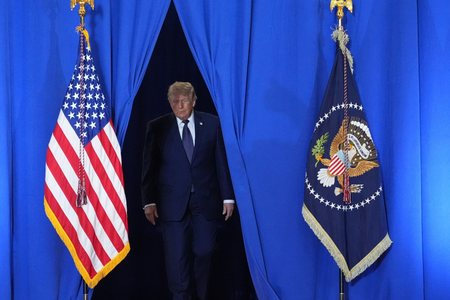
On Saturday, US President Donald Trump declared that "the agreement will be announced soon", while yesterday he said that "we are not in a hurry".
Meanwhile, a political debate has erupted in the US over whether the deal constitutes an American withdrawal. Some Democrats are even talking about "surrender." For this reason, Trump is being very careful about how the deal will be communicated and perceived.
"Don't listen to the losers. The deal I'm going to make is better than Obama's," he wrote on social media.
The three "obstacles"
The road to finalizing the agreement seems longer, as the parties agree in principle on the main issues, but clash on the most sensitive details.
Control of the Strait of Hormuz
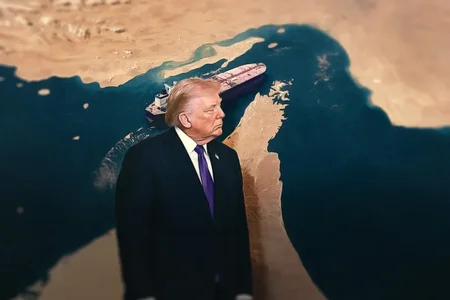
There is a clear disagreement over the reopening of the Strait of Hormuz. Although both sides agree that a peace agreement should lead to the reopening of the strategic corridor for global oil transport, they have not agreed on who will control it and how. Iran considers it a matter of course and a “legitimate right” to maintain full control over the strait. This was announced by sources close to Iranian Foreign Minister Abbas Araghchi.
Për SHBA-në kjo nuk do të ishte problem, nëse rrjedhjet mbi marrëveshjen nuk interpretoheshin në Uashington si “dorëzim” ndaj Iranit. Trump këmbëngul se marrëveshja “nuk do të jetë si ajo e Obamës” dhe se nuk do t’i japë para apo burime të tjera Iranit. Nga ana tjetër, media lokale iraniane citon një zyrtar ushtarak, këshilltar të liderit suprem Mojtaba Khamenei, i cili deklaron se Irani “ka të drejtë legjitime të menaxhojë ngushticën”. Për Teheranin kjo nuk është çështje prestigji, por mbijetese ekonomike. Irani ka nevojë për kontrollin e Hormuzit për të siguruar të ardhura jetike. Pyetja mbetet: kush do të tërhiqet?
Uraniumi i pasuruar dhe objektet bërthamore
Një tjetër pengesë lidhet me uraniumin e pasuruar dhe objektet e pasurimit të uraniumit. Të gjitha palët e kuptojnë se moszhvillimi i armëve bërthamore nga Irani është “vijë e kuqe” dhe kusht i panegociueshëm për Izraelin. Këtë e ritheksoi edhe kryeministri Benjamin Netanyahu gjatë telefonatës së fundit me Trump, duke marrë garancitë që kërkonte. Sipas informacionit të publikuar, Irani ka pranuar në parim të dorëzojë të gjithë uraniumin e pasuruar dhe të shkatërrojë objektet që lidhen me zhvillimin e armëve bërthamore. Problemi qëndron te mënyra e realizimit të këtij procesi.
Teherani ka përvojë nga marrëveshja e mëparshme bërthamore, e njohur si “marrëveshja e Obamës”, ku inspektorë ndërkombëtarë monitoronin programin bërthamor iranian për qëllime paqësore dhe mbikëqyrnin menaxhimin e materialeve të ndjeshme.
Administrata Trump kërkon që uraniumi i pasuruar t’u dorëzohet drejtpërdrejt autoriteteve amerikane, të cilat do ta transportojnë atë në territorin amerikan. Trump kërkon gjithashtu që inspektorët që do të monitorojnë çmontimin e programit bërthamor të jenë amerikanë, pasi beson se komisionet ndërkombëtare janë mashtruar në të kaluarën. Për Teheranin, një procedurë e tillë duket si dorëzim i një pale të mundur në luftë dhe është shumë e vështirë të pranohet.
Deklarata për moszhvillimin e armëve bërthamore
Kështu arrihet te çështja e tretë: deklarata publike për moszhvillimin e armëve bërthamore. Kjo duket të jetë një kundërpropozim i delegacionit iranian për të dalë nga ngërçi i krijuar rreth uraniumit të pasuruar.
Irani është i gatshëm të deklarojë publikisht se nuk ka interes, nuk synon dhe nuk do të zhvillojë apo sigurojë arsenal bërthamor. Një deklaratë e tillë kënaq në masë të madhe Izraelin, i cili e konsideron veten palën më të kërcënuar. Propozimi po shqyrtohet nga Uashingtoni.
Megjithatë, mbetet e paqartë nëse kjo deklaratë do të jetë e mjaftueshme për t’i kursyer Iranit një proces që Teherani e konsideron poshtërues. Për më tepër, Trump kërkon që kufizimet mbi pasurimin e uraniumit të kenë vlefshmëri të paktën 20-vjeçare. Për këtë arsye, sipas burimeve iraniane, nuk përjashtohet mundësia që çështja e uraniumit të mos përfshihet fare në marrëveshjen përfundimtare të paqes.
Mosbesim nga të gjitha palët
Both sides continue to have great distrust of each other. Analysts estimate that for this reason, several additional days will be needed even after reaching a preliminary agreement before it is finalized. If a final agreement is reached, a 60-day ceasefire period will begin.
Over the past 24 hours, American and Iranian officials have publicly outlined the concessions each side hopes to secure.
Iranian officials said on Saturday that a possible agreement would only provide for the start of negotiations on nuclear issues within 30 to 60 days.
"If a deal is reached ," Trump wrote on social media on Sunday, "the United States may lift the blockade of Iranian ports, used to pressure Tehran to reopen the Strait of Hormuz."
US Secretary of State Marco Rubio said the US is ready to start "very serious negotiations" on Iran's nuclear program, provided that Iran immediately reopens the Strait of Hormuz.
"You can't solve nuclear issues in 72 hours by writing on a napkin," Rubio said during an interview in New Delhi.
"The strait must be opened immediately and then we will begin, on the basis of agreed parameters, very serious negotiations on uranium enrichment, enriched uranium and Iran's commitment to never possessing nuclear weapons," he added.
Why is the price of oil only falling slightly?
Although everything indicates that the parties are close to a peace agreement, something that Israeli Prime Minister Benjamin Netanyahu also implied after his phone call with Trump, markets are still reacting cautiously.
Brent crude fell about 1.5%, to $99 per barrel, while West Texas Intermediate fell nearly 5%, to $92 per barrel.
This relatively limited decline indicates that investors remain skeptical and are waiting to see if the deal will actually be finalized.
Experts also point out that it will take months for normal navigation to fully return to normal in the Strait of Hormuz, through which over a fifth of the oil traded globally passes.
Currently, around 1,500 to 2,000 ships remain stranded in the Persian Gulf.
Even if the strait were to reopen immediately, shipping companies and marine insurers would seek assurances that the agreement is stable and that tanker passage is safe.
Furthermore, with the Iranian naval fleet severely weakened, the US and its naval allies, which may also seek the assistance of Greece, will have to clear the area of naval mines believed to have been laid by Iran.
According to the International Energy Agency, it will take “ at least two to three months ” for the full restoration of export operations. / Pamphlet /


Lini një Përgjigje