


 Shkruar nga Pamfleti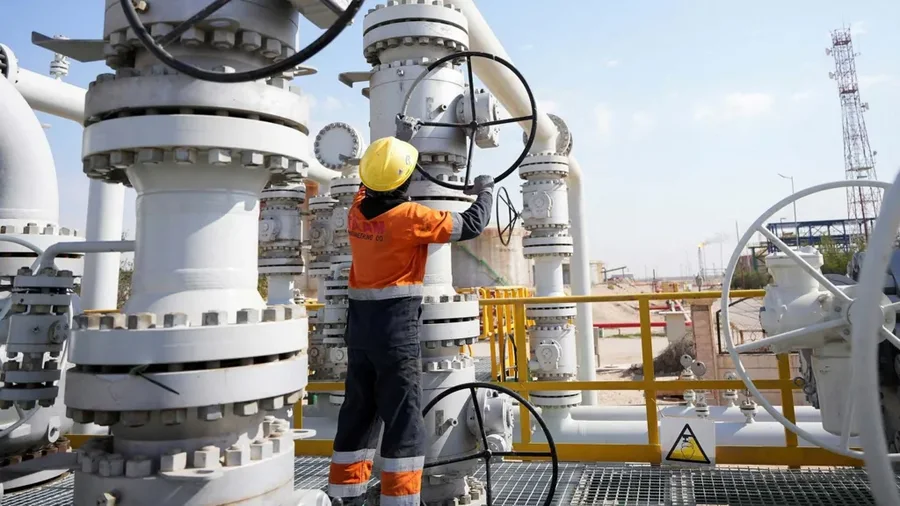
The price of oil has risen sharply over the past two weeks, while the conflict in the Middle East has caused strong fluctuations in global energy markets.
Oil is currently trading more than 30% more expensive than before the conflict began, following airstrikes on shipping and energy infrastructure, as well as the effective closure of the Strait of Hormuz, a strategic sea route through which about a fifth of global oil supplies pass.
Markets saw huge swings on Monday, in what BBC economics editor Faisal Islam described as the most volatile day in the history of oil trading.
Discussions in the markets are largely focused on Brent crude, one of the main international references for oil prices. Most contracts for the purchase and sale of oil use Brent as a reference point, making it an important factor in determining the cost of energy globally.
According to Lindsay James, investment strategist at Quilter, most oil is traded for future delivery and prices are rising due to fears of a supply shortage in the coming months.
Before the US and Israeli attacks on Iran, the price of oil was around $71 per barrel, but it rose significantly once the conflict began.
Statements from world leaders have also influenced price fluctuations. Qatar's Energy Minister Saad al-Kaabi warned that oil and gas exporters in the Persian Gulf could halt production within days, sending oil prices to a two-year high.
When markets reopened after the weekend, the price of oil reached almost $120 per barrel.
However, reports were later published that the International Energy Agency (IEA) could coordinate a large release of emergency oil reserves to stabilize the market.
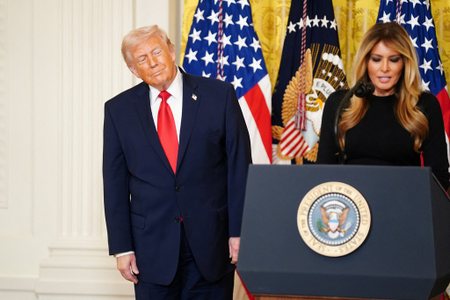
At the same time, US President Donald Trump declared that the war was "almost over", raising hopes that the conflict will not last long.
Following these developments, the price of oil fell significantly and by the end of Monday had lost almost $30 from the maximum level reached earlier in the day.
According to market experts, these strong fluctuations in just a few hours are extraordinary even by the usually volatile standards of commodity markets.
Former BP CEO Lord John Browne told the BBC that behind these figures lies a practical reality: securing the physical supply of oil.
"This is not just a speculative game in the markets. It's about the real supply of oil and the efforts of companies to ensure that they don't run out of energy," he said.





Lini një Përgjigje