


 Shkruar nga Pamfleti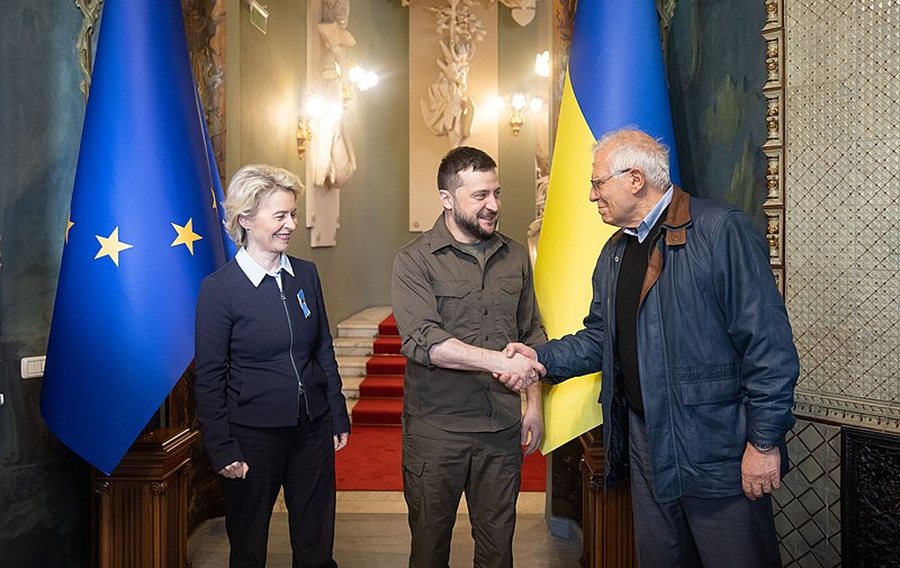
European Union countries have expressed reservations over a proposal to approve a long-term fund of $21.4 billion in military aid to Ukraine as its fierce battle against Russian forces continues.
EU defense ministers prepared to discuss in Brussels on Tuesday the plan proposed by foreign policy chief Josep Borrell in July. However, diplomats say many countries, including Germany, have expressed reservations about providing up to $5 billion a year over the next four years as part of broader Western commitments to bolster Ukraine's defenses.
According to the diplomatic service of the European Union, Brussels has already given Ukraine aid in arms and equipment worth 26 billion dollars. "Germany, rightly, has a lot of questions about this. It's a huge amount of money," said a senior diplomat who asked to remain anonymous.
The debate over military aid comes as European Union countries are debating a proposal to give Ukraine nearly $54 billion in economic aid.
Some EU countries have also argued that they will find it difficult to promise much long-term aid because their budgets are already squeezed by domestic spending.
"Some member states face a difficult reality of public finances," said a second EU diplomat.
The European Union is also facing challenges to meet the target of supplying Kiev with 1 million artillery shells and missiles by March next year.
Hungary has for months blocked a $500 million aid package from EU members' Peace Fund to Ukraine because Kiev blacklisted the Hungarian bank OTP.
Since the removal of OTP Bank from the blacklist, Hungary has persistently sought assurances that OTP would not be included again in the list of banks sanctioned by Ukraine.
Hungary's Prime Minister Viktor Orban said on Friday that he does not support moving forward with Ukraine's accession negotiations to the European Union, signaling that his country could be an obstacle to Kiev's EU membership ambitions.
A country's membership of the European Union must be approved by the parliaments of all member countries, giving Hungarian Prime Minister Orban a powerful veto.
In an interview with state radio on Friday, Mr. Orban said Ukraine is not close to joining the world's largest trading bloc. "The clear Hungarian position is that negotiations should not start," he said.
Prime Minister Orban's government has refused to supply Ukraine with weapons in its war against Russia. It also accuses Ukraine of violating the rights of an ethnic Hungarian minority in western Ukraine by restricting the use of the Hungarian language in schools. VOA


Lini një Përgjigje