


 Shkruar nga Anne-Sylvaine Chassany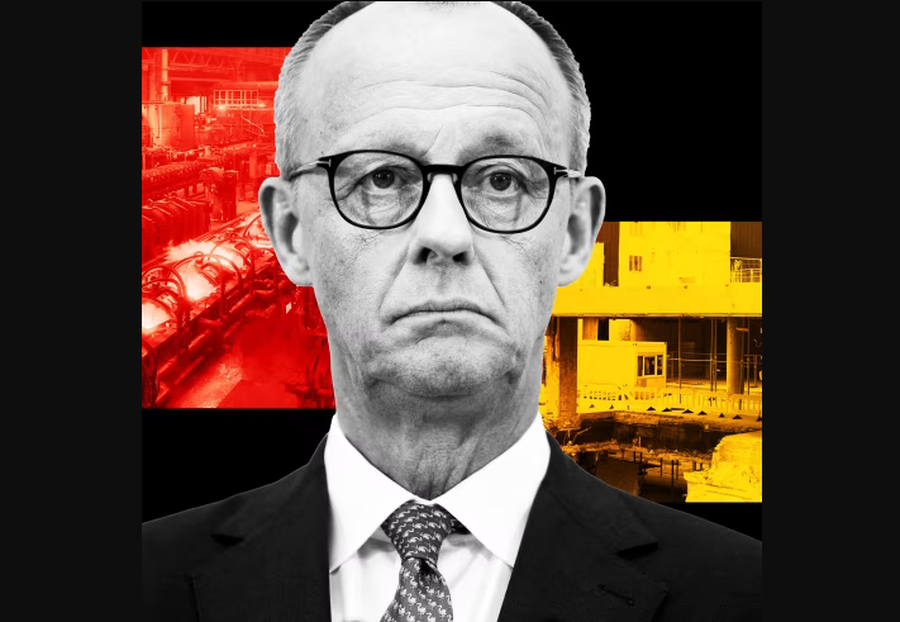
Merz has projected a new sense of German resolve abroad, traveling to Kiev and Washington to shape Europe's response to Russia's war in Ukraine and to Donald Trump's trade tariffs. But at home, with the economy still mired in its longest period of stagnation since World War II, the Christian Democrat leader is facing an impatient and skeptical nation...
Friedrich Merz should have felt at ease in a room full of Germany's leading tool and machinery manufacturers, the pride of the country's postwar export miracle and natural allies of his pro-business conservative party. Instead of praise, however, the German chancellor received a harsh rebuke.
Since taking office in May, Merz has projected a new sense of German resolve abroad, traveling to Kiev and Washington to shape Europe's response to Russia's war in Ukraine and to Donald Trump's trade tariffs. But at home, with the economy still mired in its longest period of stagnation since World War II, the Christian Democratic leader is facing an impatient and skeptical nation.
Merz is not the only leader grappling with a weak economy and a tense political climate; both Keir Starmer of the United Kingdom and Emmanuel Macron of France are facing similar, if not more serious, issues. But many hope that Berlin’s new government can offer an antidote to the populism and economic turbulence that are growing across Europe. Merz campaigned on a promise to reform Europe’s largest economy, which has been stagnant for the past three years and is losing industrial jobs at a rapid pace.
The 69-year-old called his economic plan “Agenda 2030,” a reference to Gerhard Schröder’s “Agenda 2010,” the former Social Democratic (SPD) chancellor’s labor market reforms that helped transform Germany in the 2000s from the “sick man of Europe” into an export powerhouse. The plan signaled political courage to pursue controversial measures even if they could prove electorally damaging.
However, since his party’s victory in February’s federal election, the reality of coalition politics has been laid bare. Merz formed a government with the SPD, which has rejected Schröder’s legacy and campaigned on a big spending plan to stimulate the economy. He presented the alliance as the center-right’s last chance to stop the rise of the far-right Alternative for Germany, which secured more than a fifth of the seats in the Bundestag.
Overcoming his party’s reluctance to raise public debt, Merz has drawn up a Keynesian spending plan unseen since reunification. Identifying Vladimir Putin’s Russia as the biggest security threat to Europe and alarmed by Trump’s desire to break away from NATO, he has reached an agreement with the SPD and the Greens to ease the constitutional borrowing limit, introduced under former Chancellor Angela Merkel, to improve Germany’s armed forces. In return for the SPD’s support, he has agreed to borrow an additional 500 billion euros over the next 12 years to repair Germany’s crumbling infrastructure.
Families and companies would feel a boost "until the summer," Merz declared.
Nearly six months later, the economy shows few signs of revival and frustration is growing. The Munich-based Ifo Institute expects GDP growth of just 0.2 percent this year, followed by a modest recovery to 1.3 percent next year thanks to public spending. After a brief period of optimism, business confidence has fallen again and industrial problems have deepened. Meanwhile, the AfD has climbed to around 25 percent in national polls. Last month, the party, classified as “far-right extremist” by intelligence agencies, tripled its vote in municipal elections in North Rhine-Westphalia, Germany’s most populous state, making inroads into the SPD’s industrial strongholds in the Ruhr Valley.
Merz, who has never been particularly popular, is bearing the brunt: he has fallen to 18th place in Bild's ranking of favorite politicians, lagging behind six of his coalition ministers and AfD co-chair Alice Weidel.
In response, Merz has promised an “autumn of reforms” that tackle Germany’s bureaucracy and welfare system. But speaking in parliament this month, Weidel said the much-touted wave of reforms is turning into “a cold season of disappointment for German entrepreneurs.”
In addition to creating a 500 billion euro infrastructure fund, which is earmarked for crumbling bridges, schools and hospitals, the government announced tax breaks for corporations to buy equipment and outlined electricity price subsidies for energy-intensive industries such as chemicals. Merz has appointed an investment czar, former Commerzbank chief Martin Blessing, to promote Germany as an attractive destination for foreign investors.
But meanwhile, new US tariffs on EU goods have hit Germany's key car and steel industries, just as the coalition is moving towards more politically complicated reforms of the welfare state.
Analysts say that such an open campaign for Schröder-style reforms may not have been tactically wise.
“Në Uashington DC në një takim të FMN-së, në Paris në OECD ose në Singapor kur përmend reformat 'Hartz', të gjithë duartrokasin. Në çdo konventë lokale të SPD-së, temperatura e dhomës bie me pesë gradë”, thotë një ish-zyrtar i qeverisë së SPD-së.
Në korrik, Markus Söder, kryeministri 58-vjeçar i Bavarisë dhe udhëheqësi i partisë simotër bavareze të CDU-së, CSU-së, shpërtheu kur Merz dhe ministri i financave të SPD-së, Lars Klingbeil, ranë dakord të kufizonin uljet e taksave të energjisë elektrike vetëm për grupet e mëdha, duke shkelur një premtim koalicioni për të përfshirë familjet dhe kompanitë e vogla. Në këmbim, Söder siguroi që një bonus i planifikuar për pensionet e nënave do të zbatohet një vit më herët se sa ishte planifikuar.
Më 12 gusht, kancelari u kthye nga pushimet e tij pranë liqenit Tegernsee për bisedime mbi krizën në Kancelari, pas një reagimi të ashpër ndaj vendimit të tij për të pezulluar eksportet e armëve në Izrael për shkak të Gazës. Merz, siç doli, vetëm e kishte informuar Klingbeil, i cili është gjithashtu zv/kancelar dhe bashkëkryetar i SPD-së, për vendimin e tij. Ky veprim zemëroi figurat konservatore të rëndësishme, përfshirë kryeministrin e Söder dhe Hessen, Boris Rhein, i cili e pa atë si një shkelje të solidaritetit të palëkundur të Gjermanisë pas luftës me Izraelin, i rrënjosur në trashëgiminë e Holokaustit të vendit.
Persona të brendshëm në parti kanë fajësuar shefin e kancelarisë Thorsten Frei, një aleat i Merz pa përvojë të mëparshme qeveritare, për mungesë koordinimi dhe komunikimi. Jens Spahn, kreu i grupit parlamentar të CDU-së, është përballur gjithashtu me kritika për dështimin në përmbajtjen e deputetëve të trazuar ose në transmetimin e shenjave të mospajtimit parlamentar. Të tjerë tregojnë stilin e vetmuar qeverisës të kancelarit.
“Ai vendosi për politikat pa u konsultuar me partinë e tij për çështje shumë themelore për ne”, tha një deputet i CDU-së. Politikani përshkroi një shqetësim të thellë brenda CDU-së që rrjedh nga vitet e Merkelit, kur ajo “bëri atë që donte” pa u konsultuar me bazën.
Ndryshe nga Helmut Kohl, kancelar nga viti 1982 deri në vitin 1998, dhe Merkel, Merz, i cili kaloi një dekadë jashtë politikës pasi u la mënjanë nga Merkel, "nuk ka rrënjë të thella në parti dhe rivalët e mundshëm tashmë po pozicionohen.
Kjo krijon një sfond të tensionuar, ndërsa Merz përballet me negociata të vështira mbi rritjen e pensioneve, sigurimin shëndetësor dhe kostot e kujdesit për të moshuarit, të gjitha që kërkojnë vendime të dhimbshme, të tilla si ulje të përfitimeve ose kontribute më të larta.
With a parliamentary majority of just 13 seats, coalition tensions and a lack of discipline are fueling legislative uncertainty. The pressure will only increase on both coalition partners, with five federal states holding elections next year, including two former communist states, one governed by the CDU, the other by the SPD, which the AfD is expected to win.
Others warn that a tense debate over welfare risks obscuring the bigger structural challenges: global technological and geopolitical changes that threaten Germany's export-oriented production model. /Adapted from "Pamphlet" by "FinancialTimes"


Lini një Përgjigje