


 Shkruar nga Pamfleti
From Vietnam to Iraq, history shows that regime change through airstrikes alone is unrealistic; for Iran, the risks may be even greater
The cards are already on the table, three weeks after the start of the war. And they are not good. “Only with ground troops can regime change be achieved in Iran,” Israeli Prime Minister Benjamin Netanyahu admitted on Thursday, emphasizing that “with air strikes we can achieve a lot, but this is not enough to overthrow the country’s leadership.”
It is not clear whether US President Donald Trump shares this assessment: he vacillates between declarations of regime change and other objectives, such as destroying Iran's nuclear program and weakening the leadership's military capabilities.
"I'm not afraid to send troops into a war zone," Trump said Thursday, but added that he has no concrete plans to do so. And if he did, he wouldn't make them public.
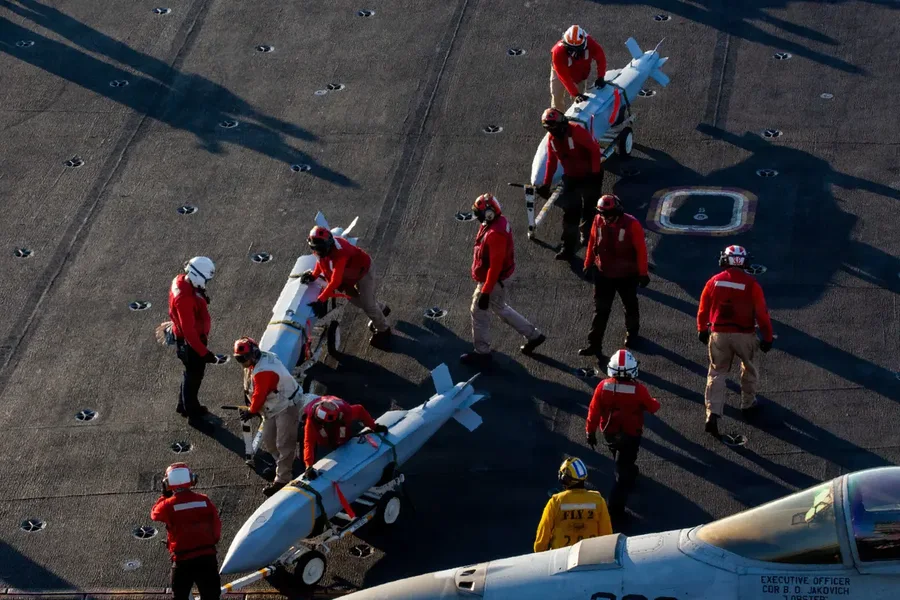
The actions speak louder. A special unit of 5,000 marines, trained for operations in conflict zones, left Japan a week ago for the Persian Gulf. On Friday, it was announced that an amphibious assault ship would be deployed, along with an accompanying fleet and 2,500 more marines. One possible scenario is the use of special forces at nuclear facilities near the city of Isfahan. However, the main objective could be to take control of Kharg Island in the Persian Gulf, the center of Iran's oil industry, and perhaps even the entire Strait of Hormuz.
"Of course you can bomb endlessly, destroying everything in that country, from energy supplies to security force positions, but that doesn't guarantee the overthrow of the regime," emphasizes historian Alexander Downes, a specialist in regime change at George Washington University.
According to him, this is especially difficult to imagine in Iran. "It is not a country where the regime depends on a single person. It relies on deep security structures and has been preparing for such a war for years," Downes said.
Failures in Vietnam, Libya and Iraq
This failure is not surprising. Military history repeatedly shows that even vastly superior air forces, striking with precision from a distance, are not enough to overthrow governments. For a century, the United States in particular has tried to impose policies through bombing, without success.
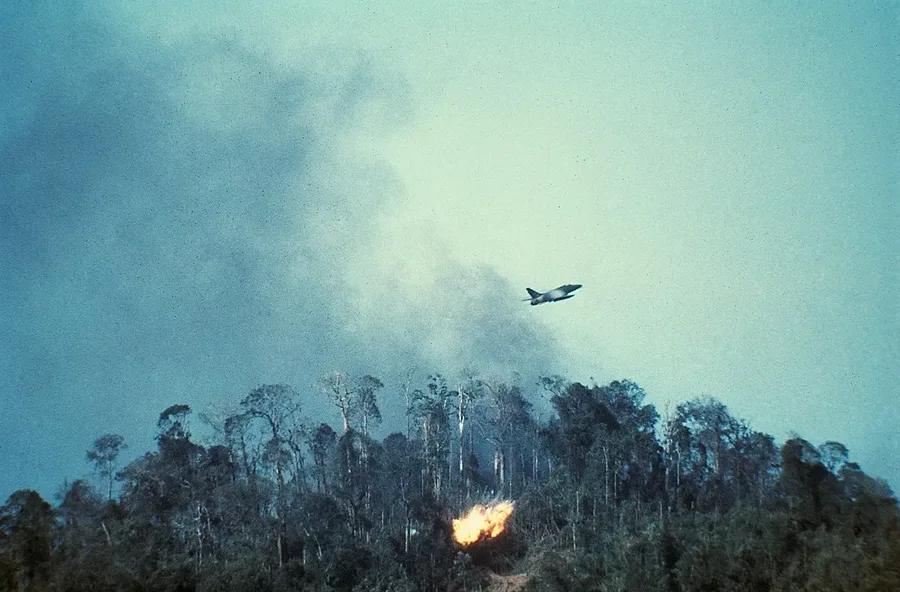
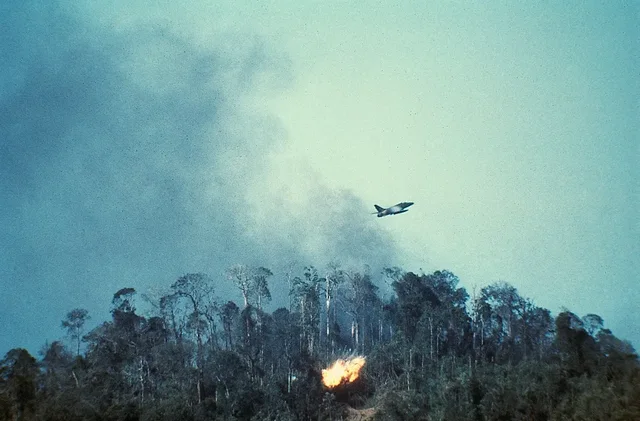
During the Vietnam War, Operation Rolling Thunder (1965–1968) aimed to force the North Vietnamese regime to enter into negotiations through airstrikes. The result was the opposite: the regime in Hanoi was strengthened.
Shembuj të tjerë tregojnë rrezikun e lartë. Në vitin 2011, NATO vendosi një zonë ndalim-fluturimi mbi Libi dhe goditi forcat e Muammar Gaddafit. Edhe pse ai u rrëzua pas gjashtë muajsh, vendi u zhyt në një luftë civile shkatërruese.
Shpresa se një regjim do të rrëzohet nga një kryengritje popullore pas bombardimeve mbart një përvojë të hidhur në Lindjen e Mesme. Në vitin 1991, pas zmbrapsjes së forcave të Saddam Husseinit nga Kuvajti, presidenti amerikan George H. W. Bush u bëri thirrje irakianëve të ngriheshin kundër diktatorit. Shiitët në jug dhe kurdët në veri iu përgjigjën thirrjes, por u masakruan nga ushtria e Husseinit.
Regjimi i tij u rrëzua vetëm në vitin 2003, kur një ofensivë e gjerë tokësore mbështeti sulmet ajrore të udhëhequra nga SHBA. Qindra mijëra njerëz humbën jetën në konfliktet pas vitit 2003 dhe mbi 3000 ushtarë amerikanë u vranë. Stabilizimi i Irakut filloi vetëm pas dy dekadash. Një operacion i ngjashëm në Iran është vështirë i imagjinueshëm: vendi është katër herë më i madh se Iraku dhe forcat e Gardës Revolucionare numërojnë rreth 200 mijë trupa.
Po aq jorealist mbetet edhe një ndryshim i shpejtë regjimi përmes një kryengritjeje popullore. “Nëse njerëzit dalin tani në rrugë, rrezikojnë të masakrohen brutalisht”, paralajmëroi këtë javë shërbimi sekret izraelit në komunikim me Departamentin amerikan të Shtetit.
Megjithatë, pikërisht këtë kishte sugjeruar Trump: “le të shohim si do të reagoni”, iu drejtua ai popullit iranian një ditë pas fillimit të luftës, duke shtuar: “Ne bombardojmë udhëheqjen, pjesën tjetër duhet ta bëni ju.” Këto fjalë kujtojnë thirrjen e Bushit në vitin 1991.
Kurthi i përshkallëzimit
Udhëheqja në Teheran tregoi qëndrueshmëri dhe u kundërpërgjigj me dronë dhe raketa në të gjithë rajonin. Pasi ushtria izraelite goditi fushën e gazit Pars në jug, Irani sulmoi objektet e gazit të lëngshëm në Katar dhe instalimet e naftës në Arabinë Saudite. Sulmet ndaj Ngushticës së Hormuzit nga Garda Revolucionare rrisin rrezikun për një krizë ekonomike globale.
Këto zhvillime ilustrojnë atë që politologu Robert Pape e quan “kurthi i përshkallëzimit”. “Në momentin që një vend përballet me sulme nga jashtë, forcohet kohezioni kombëtar. Kjo e bën pothuajse të pamundur ndryshimin e regjimit”, argumenton ai, duke shtuar “kundërshtarët nuk qëndrojnë pasivë, por kundërpërgjigjen, duke krijuar një spirale përshkallëzimi që është e vështirë të ndalet.”
Në afat të shkurtër, një luftë e bazuar vetëm në sulme ajrore mund të rezultojë edhe kundërproduktive, paralajmëron Dennis Citrinowicz, ish-drejtues i sektorit të Iranit në shërbimin sekret izraelit Mossad. Sipas tij, mbështetja e tepruar në epërsinë ajrore mund të çojë në një rezultat të dëmshëm për Izraelin: një udhëheqje edhe më radikale në Iran dhe një konflikt të gjatë e të ngrirë.
According to the analysis, even ground intervention does not guarantee a solution. On the contrary, there is a risk that the US and Israel will sink even deeper into the spiral of escalation. /Adapted from NZZ /



Lini një Përgjigje