


 Shkruar nga Pamfleti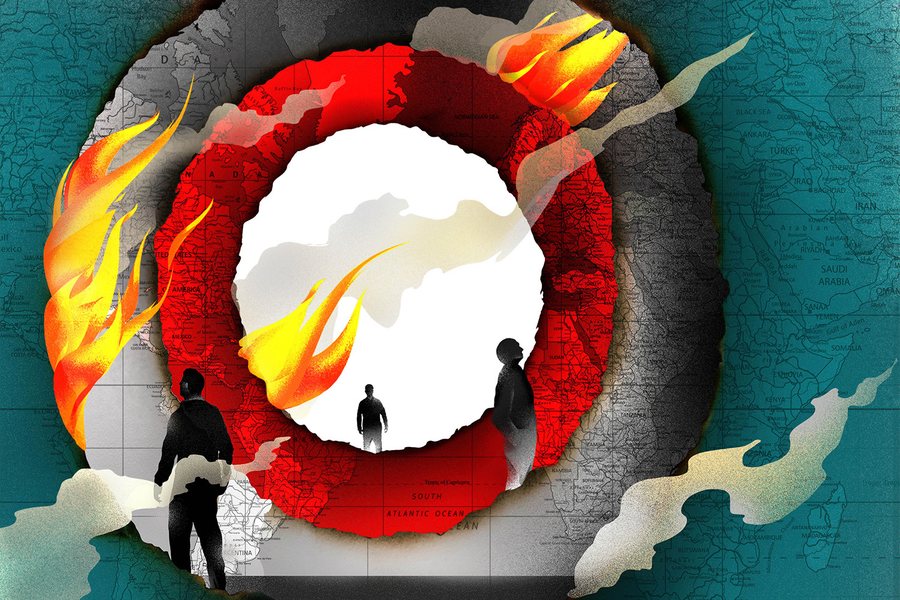
The international order built by the US is weakening, while the global future could be shaped by bipolar rivalry, division into spheres of influence, or an anarchic system. Ten years from now, the world will look very different...
“The old world is dying,” wrote the Italian philosopher Antonio Gramsci in 1930, “and the new world is struggling to be born.” Despite his Marxist convictions, Gramsci would feel at home in the Trump era. The old world, in this case, is the international order that the United States built in the West after World War II and then tried to globalize after winning the Cold War. This project brought peace, prosperity, and freedom with great global impact. Today, however, this order has completed its cycle.
For years, revisionist states, especially China and Russia, have been eroding this order, and now even the United States itself seems to be, at times, in conflict with it. Ten years from now, the world will be very different. What is still unknown is what will come after this transitional period, what form the new order will take.
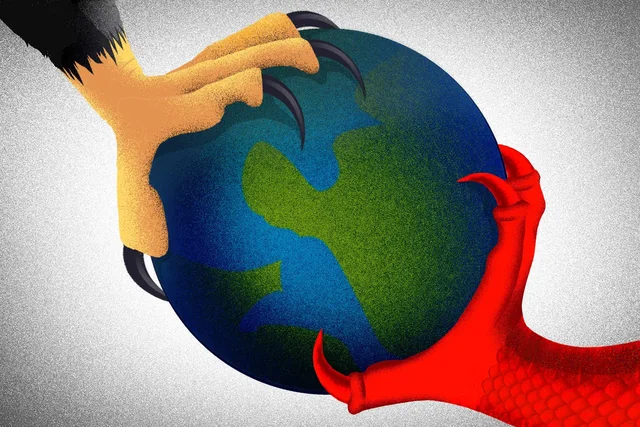
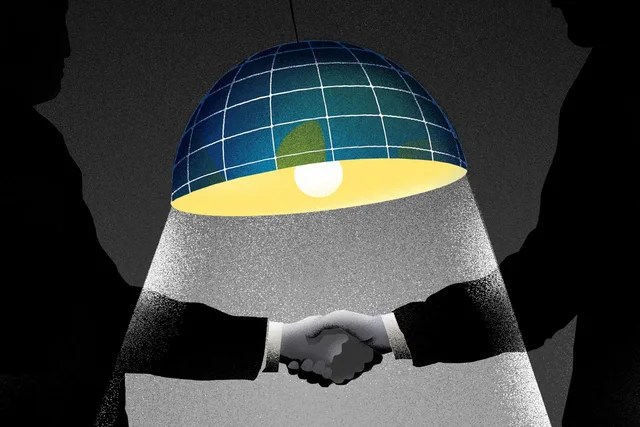
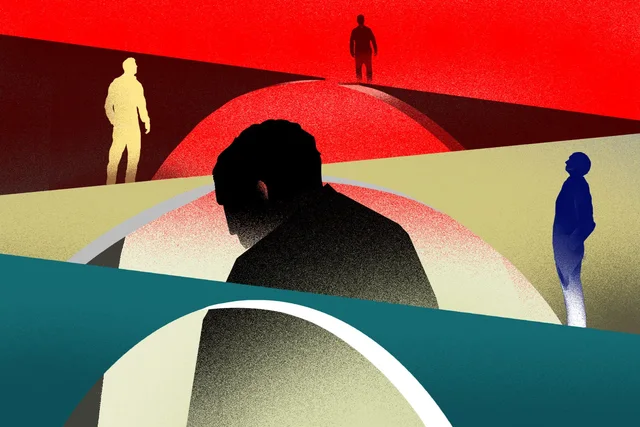
One possibility is a two-world scenario, similar to the Cold War, in which the globe is divided into two rival blocs led by Washington and Beijing. A second possibility is an era not of two blocs but of multiple empires, in which a number of dominant powers create regional spheres of influence. A third possibility is a “every man for himself” world, in which US behavior becomes predatory and plunges the system into anarchic chaos.
The current moment feels so uncertain because each of these scenarios is plausible, and each finds support in the foreign policy of a divided superpower. So much remains to be seen; much depends on U.S. decisions and upcoming election cycles. But considering what comes after this transitional period is the first step in preparing for a world that, even in the best-case scenario, will be more fragmented and harsher than the one we left behind.
The modern world is an American creation. After World War II, the United States built global alliances along the edges of Eurasia. It rebuilt devastated countries and rebuilt global trade. It protected freedom of navigation in distant waters and provided international public goods. The United States, not the United Nations, was the closest thing to a world government. These policies supported a flourishing Western system that eventually defeated the Soviet Union and transformed into an expanding liberal order after the Cold War.
Si çdo arritje e madhe, edhe kjo ka mitet, anashkalimet dhe ekzagjerimet e saj. Uashingtoni herë pas here siguroi rendin liberal përmes mjeteve joliberale, si ndërhyrje të dhunshme ushtarake dhe operacione të fshehta. Lavdërimet për solidaritetin mes aleatëve shpesh anashkalojnë konfliktet e ashpra, nga kriza e Suezit në vitin 1956 deri te pushtimi i Irakut në vitin 2003. SHBA gjithashtu ndryshoi ose injoroi rregullat e veta kur ato u bënë të papërshtatshme, si në braktisjen e sistemit financiar të Bretton Woods në vitin 1971. Nuk ka rend pa hipokrizi dhe pa përdorim force.
Megjithatë, në pjesën më të madhe, Pax Americana përdori një fuqi të jashtëzakonshme për të mbështetur një koncept të gjerë të interesit vetjak, idenë se edhe një fuqi e madhe, gjeografikisht e izoluar, mund të lulëzojë vetëm duke ndihmuar vendet më të dobëta të bëhen të pasura dhe të sigurta. Ky kombinim solli përfitime historike: pas dy luftërave botërore brenda një brezi, rendi i ndërtuar nga SHBA solli dekada paqeje mes fuqive të mëdha. Ekonomia e udhëhequr nga SHBA rriti ndjeshëm standardet e jetesës. Ndikimi amerikan ndihmoi që demokracia të bëhej forma dominuese e qeverisjes dhe zhdukja e shteteve të pavarura të bëhej e rrallë dhe tronditëse.
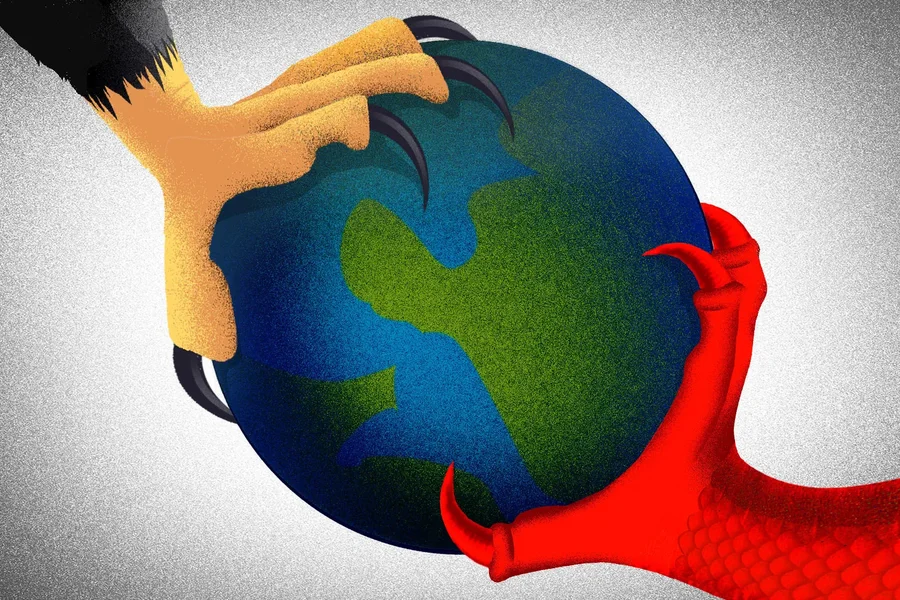
Megjithatë, asgjë nuk është e përhershme. Rendi amerikan, sidomos versioni më global i pas Luftës së Ftohtë, po i afrohet fundit. Ai është nën presion nga jashtë: Pekini, Moska dhe partnerët e tyre e shohin si pengesë për ambiciet e tyre dhe si kërcënim për regjimet autoritare. Ata po sfidojnë ekuilibrin e fuqisë dhe normat kyçe, si liria e deteve dhe ndalimi i pushtimeve me dhunë.
Këto shtete, sidomos Kina, e kanë dobësuar rendin edhe nga brenda: Pekini përdori integrimin në ekonominë globale për të ndërtuar kapacitete industriale dhe ushtarake që tani i përdor për të sfiduar SHBA. Ndërkohë, vetë Uashingtoni është lodhur, ndoshta edhe zhgënjyer thellësisht, nga krijimi i vet.
Kjo ambivalencë buron nga probleme reale: pabarazitë në aleanca, pasojat e globalizimit, konfliktet në Lindjen e Mesme dhe roli që rendi liberal pati në ngritjen e Kinës. Ajo reflektohet në një administratë që synon të rinegociojë në mënyrë agresive angazhimin ndërkombëtar të SHBA dhe shpesh argumenton se rikthimi i fuqisë amerikane kërkon shembjen e sistemit ekzistues.
Prandaj, momenti aktual është i paqëndrueshëm. Fuqia e SHBA mbetet e pakrahasueshme dhe strukturat kryesore të rendit ekzistues ende qëndrojnë. Por perspektiva për këtë rend duket e zymtë, ndoshta edhe përfundimtare. Pyetja është: çfarë do të ndodhë pas tij?
Për pjesën më të madhe të dekadës së fundit, dukej se një botë e udhëhequr nga SHBA do të zëvendësohej nga dy botë rivale. Në këtë skenar, një bllok i udhëhequr nga Kina do të përfshinte autokraci euroaziatike dhe partnerë të tjerë, ndërsa blloku amerikan do të përfshinte aleatët demokratikë. Shtetet ndërmjetëse do të manovronin mes këtyre dy poleve.
This would not be an identical repeat of the Cold War: China has more powerful economic tools for influence and pressure. But the global economy would be fragmented, with supply chains and sanctions used as weapons. The rivalry would extend to every region.
Structural forces are pushing this direction. The clash between the US and China is deepening as Chinese ambitions for technological, economic, and regional dominance clash with American interests. Major wars tend to polarize world politics, and economic interdependence becomes a source of weakness.
However, Trump's policy contains contradictory elements. On the one hand, it aims to strengthen the democratic camp; on the other, the transactional approach and pressure on allies risk weakening it. If allies lose trust, a democratic bloc may not exist at all.
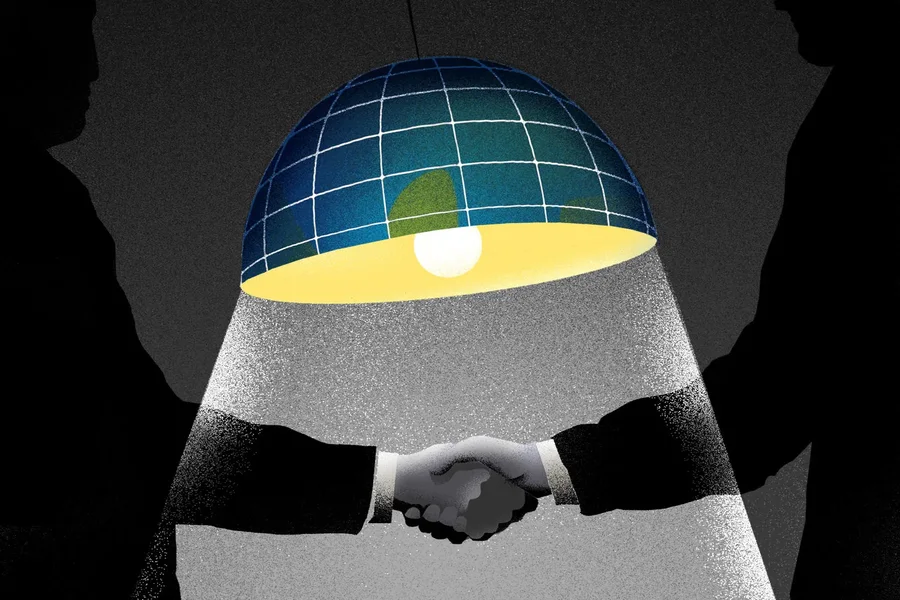
The second scenario envisions a world divided into several regional spheres of influence. The US would focus on the Western Hemisphere, China on East Asia, and Russia on the former Soviet space. Other powers such as India and Turkey would seek regional dominance. In this order, international law is weakened and relations are based on force.
This model may seem more stable in theory, but in practice it is often associated with conflict, as spheres of influence are usually created through violence. Smaller states may resist or arm themselves to survive.
The third scenario is an anarchic world, where even the US becomes an unpredictable and aggressive power. In this situation, all the great powers act predatorily and the international order disintegrates. The weaker states risk extinction, while others may seek nuclear weapons for survival.
History shows that such periods of transition can be long and violent. The end of British hegemony did not immediately bring a new order, but decades of conflict and war.
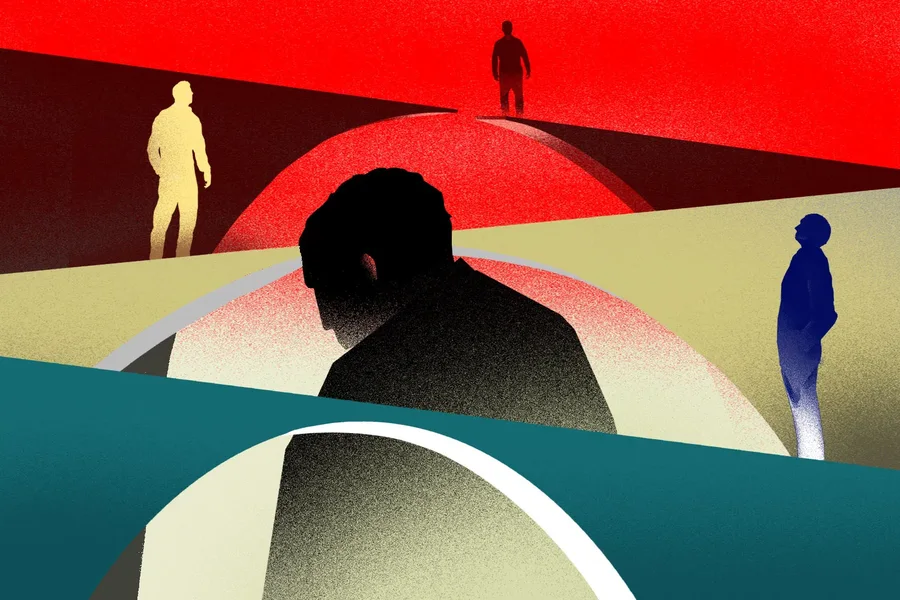
The world is at a crossroads. The US election will be crucial to the shape of the new order. Even as the old order is fading, how it will be replaced remains open, and could lead to a manageable system or to much deeper uncertainty. /Adapted from ForeignPolicy /


Lini një Përgjigje