


 Shkruar nga Pamfleti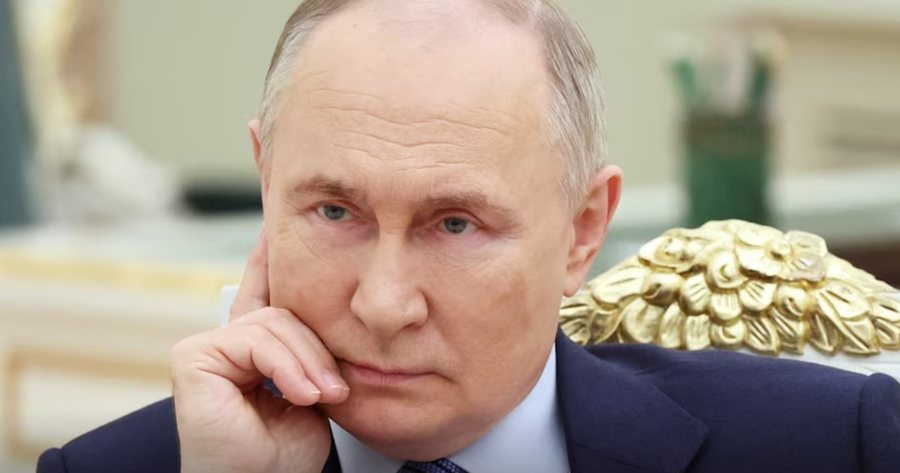
Putin must then figure out how to begin to bring order to his system of power and begin to pave the way for a slate of successors who will prevent what has happened several times in Russia since the death of Peter the Great (1725 ) to Stalin (1953), or what happened at the end of the Soviet Union...
Vladimir Putin is at the height of his power. By conditioning the candidates in the elections, but also thanks to a propaganda media machine and an anti-Western combative climate, the Soviet President of Russia won his fifth term.
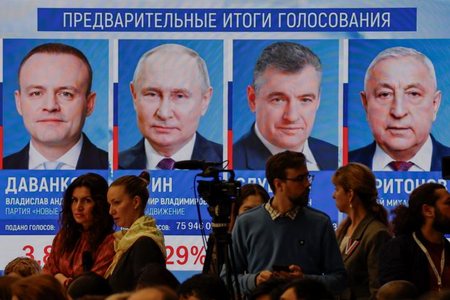
On the eve of the election, we wrote that the real test of Putin was not the re-election itself (obviously), but the race to surpass the 2018 result in terms of voter mobilization and the percentage of votes received. In Russia, the "magic" combination for Putin is identified with the "70 to 70" formula: exceeding 70% of the vote and a turnout of 70% of voters.
In 2018, Putin received 77.5% of the vote with a turnout of 67.5%, nearly 56.4 million votes. In the presidential elections held in war-torn Russia and spread across the occupied territories of Ukraine, Putin can legitimately claim a triumph: turnout rose to 74.22%, up 6.7 points from 2018. Putin received 87.34 % of votes, the best result ever achieved. With 74.6 million votes. That is, 20 million more votes in six years.
Leaving aside any legitimate criticism of the repressive and autocratic nature of the Moscow regime, it clearly seems difficult to explain this result. Putin took a plebiscite turn like that of Napoleon III, wanting to present himself as an "emperor" crowned by the people. He will now be able to rule until 2030, reaching 31 years in power between prime minister and presidential spells, as only Joseph Stalin managed to stay longer in Russia.
The Russian president now finds himself facing the horizon of a six-year presidency, in which, however, the hard part is yet to come: a solution must be found to the war in Ukraine, where the strategic stalemate removes the prospect of a definite military winner; it will be necessary to understand the future of the national economy after the energy disconnection of the West from Moscow, and after that, with the end of the conflict, Moscow will have to turn its production system from the war industry to the ordinary one: Military spending drives GDP and production, but will it still be like this after the war? Hard to say.
Putini duhet të kuptojë më pas se si të fillojë të vendosë rregull në sistemin e tij të pushtetit dhe të fillojë të hapë rrugën për një listë pasardhësish që do të parandalojnë atë që ka ndodhur disa herë në Rusi, nga vdekja e Pjetrit të Madh (1725) te Stalini (1953), ose ajo që ndodhi në fund të Bashkimit Sovjetik: Nisja e përplasjeve shpesh brutale, midis grupeve dhe aparateve të pushtetit. Gjashtë vjet pas votimit të vitit 2018 dhe dy vjet pas fillimit të luftës në Ukrainë, Putini është më i fortë dhe më i palëkundur. Por a mund të thuhet e njëjta gjë për Rusinë? Kjo nuk është e dhënë. Dhe vitet e ardhshme do të vendosin këto procese. Dhe për të ardhmen e Rusisë si një fuqi ndërkombëtare. /Përshtati “Pamfleti” nga “Inside Over”


Lini një Përgjigje