


 Shkruar nga Pamfleti
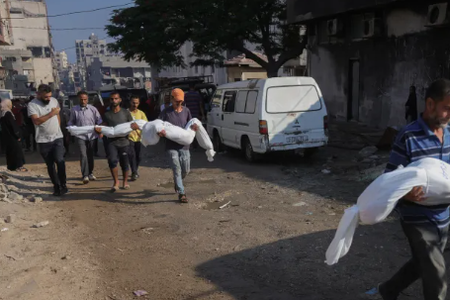
Despite over 60,000 deaths and widespread destruction, the “water” that was supposed to dry up around Hamas may be getting deeper. For Israel, the real bet is that by destroying Hamas, another form of resistance will not emerge from that water.
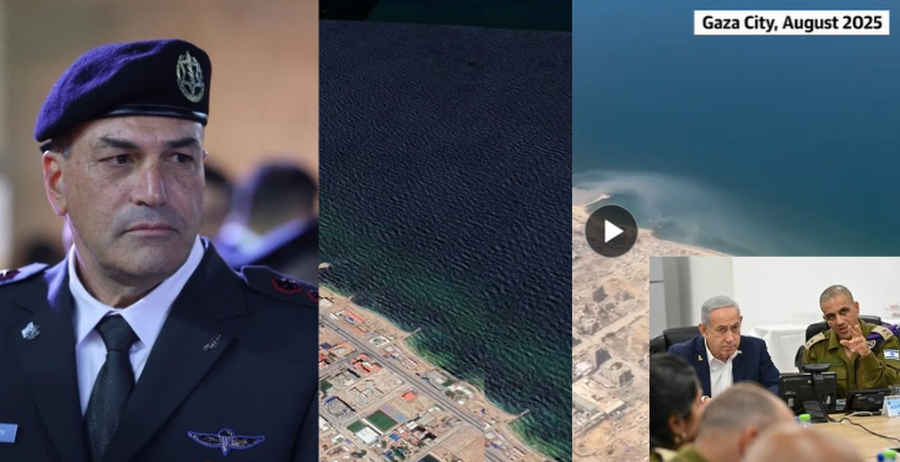
Eyal Zamir is a tough, uncompromising figure. He was the architect of the plans for the invasion of Gaza, a plan that, according to rumors in Jerusalem, pleased Prime Minister Benjamin Netanyahu enough to secure Zamir's promotion to Chief of Staff of the Israel Defense Forces (IDF) just four months ago. The plan involved taking control of the remnants of civilian life in the Gaza Strip and wiping out Hamas.
The parallels are clear. Just as in Vietnam, where the US tried to “cut off the water” around the Viet Cong guerrilla forces, cutting them off from the civilian population to weaken support for the resistance, Israel intends to pursue a similar approach to Hamas. But history is not promising. According to a rumor circulating in Jerusalem political circles yesterday, General Zamir has mentioned the “Vietnam danger” to the Prime Minister, warning his aides that “entering Gaza is like falling into a black hole.” He is concerned about the lives of the hostages and, technically, about the fatigue of the troops and the wear and tear on military equipment.
A full-scale invasion would require the mobilization of 40,000 to 60,000 soldiers. The current forces, including professionals and conscripts, are not enough — reservists must be called back into service. This is the longest war in Israel’s history, and many of the reservists, now in their fourth or fifth tour, are increasingly reluctant to return to the front lines.
“The culture of dissent is an integral part of the history of the Israeli people and represents a fundamental element in the organizational culture of the IDF,” the general said in a public statement yesterday — the first time he has spoken after several days of reports of tensions between him and the political leadership. The prime minister’s son, Yair Netanyahu, went so far as to warn of the risk of a “military coup” due to the officers’ reluctance to toe the government line.
“We will continue to express our position fearlessly, objectively, independently and professionally. We are not concerned with theories, but with human lives and the protection of the state. Only its well-being and security are before our eyes,” Zamir said during yesterday’s General Staff forum. Clear, direct, but without provocation, his words were perceived as a testament to his commitment to the state, not a challenge to the government.
But the clashes at the top of the Jewish state are real. Many security experts, former generals, former intelligence agents, now freed from the obligation of obedience in retirement, have spoken publicly against the total occupation of Gaza. This has opened a deep and delicate divide in Israeli politics: Is it better to negotiate with Hamas to rescue the hostages, or to annihilate the terrorist group even if it means losing their lives?
According to sources, Hamas's red line in every negotiation has been the end of the war and the complete withdrawal of Israel, a condition that Netanyahu has rejected from the beginning, insisting on the "destruction" of the group.
Meanwhile, Israeli strategic circles do not ignore the Arab concept of “sumud” of resilience, which has been elevated among Palestinians to an almost religious virtue. If Hamas were to survive even after its leadership was destroyed, its prestige could, paradoxically, increase. Despite over 60,000 deaths and widespread destruction, the “water” that was supposed to dry up around Hamas could become deeper. For Israel, the real bet is that, by destroying Hamas, another form of resistance will not emerge from that water./ Adapted from Corriere della Sera






Lini një Përgjigje