


 Shkruar nga Pamfleti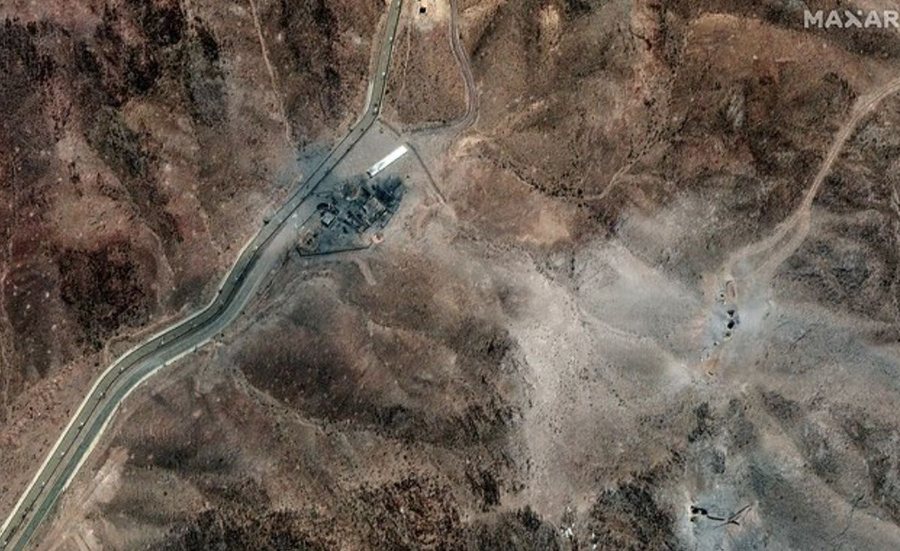
According to an analysis, the operation was a preemptive strike aimed at eliminating an existential threat to the state of Israel, after intelligence agencies concluded that Iran was close to gaining the ability to produce nuclear weapons...
On the morning of June 27, the Israeli military (IDF) released an official report on Operation Rising Lion (Am KeLavi in Hebrew), which was launched on June 13 against Iran's nuclear and missile programs.
According to an analysis by Mignews.com and its editor, Arkady Bocharovsky, “the operation was a preemptive strike aimed at eliminating an existential threat to the state of Israel, after intelligence agencies concluded that Iran was close to gaining the ability to produce nuclear weapons.”
“Over several months, the Israeli military intelligence agency (AMAN) gathered evidence indicating that the Iranian regime was accelerating its nuclear development, including enriching uranium to 60%, a level sufficient to produce several bombs in a short period of time. At the same time, a secret program to develop key components for nuclear weapons was uncovered, including experiments and research in critical areas.
In addition, Iran planned to triple its production of precision missiles and increase its stockpile from 2,500 to 8,000 missiles. The Iranian plan included an attack on several fronts, from missile launches to a massive ground invasion beyond Israel's borders.
The IDF identified the Iranian regime's weak points and, in coordination with the United States, seized the opportunity to launch a devastating attack. Any delay could result in the loss of the opportunity to neutralize the threat.
In October 2024, amid fighting with Hezbollah, the IDF accelerated the planning process. The operation targeted "major centers of gravity": nuclear infrastructure, command centers, air superiority, military industry, the economy, and the command system.
The IDF began the operation by complete surprise, achieving air superiority over Iran and launching an attack that significantly weakened the enemy's ability to respond.
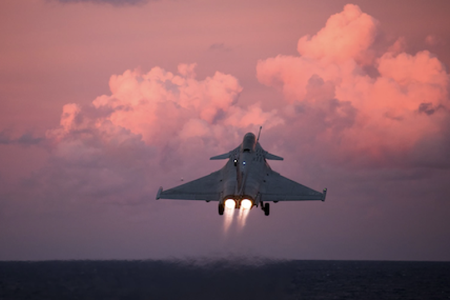
Israeli Air Force aircraft flew more than 2,000 kilometers, carried out more than 1,500 missions, and hit more than 900 targets. The Israel Defense Forces destroyed about 80 out of 100 air defense systems, carried out more than 600 in-flight refuelings, and carried out about 370 airstrikes, including one at a distance of 2,400 kilometers.
At the same time, 50% of Iran's surface-to-surface missile launchers, 80 surface-to-air missile launchers, 70 radars, 6 airports, and more than 35 missile and anti-aircraft weapons production plants were destroyed.
"The operation involved a comprehensive effort by all branches of the Israeli Armed Forces - air, naval and ground - with the support of thousands of active and reserve soldiers," he writes.







Lini një Përgjigje