


 Shkruar nga Pamfleti
"A rift has opened between Europe and the US; Maga's (Trump) battles are not ours," the German chancellor said.
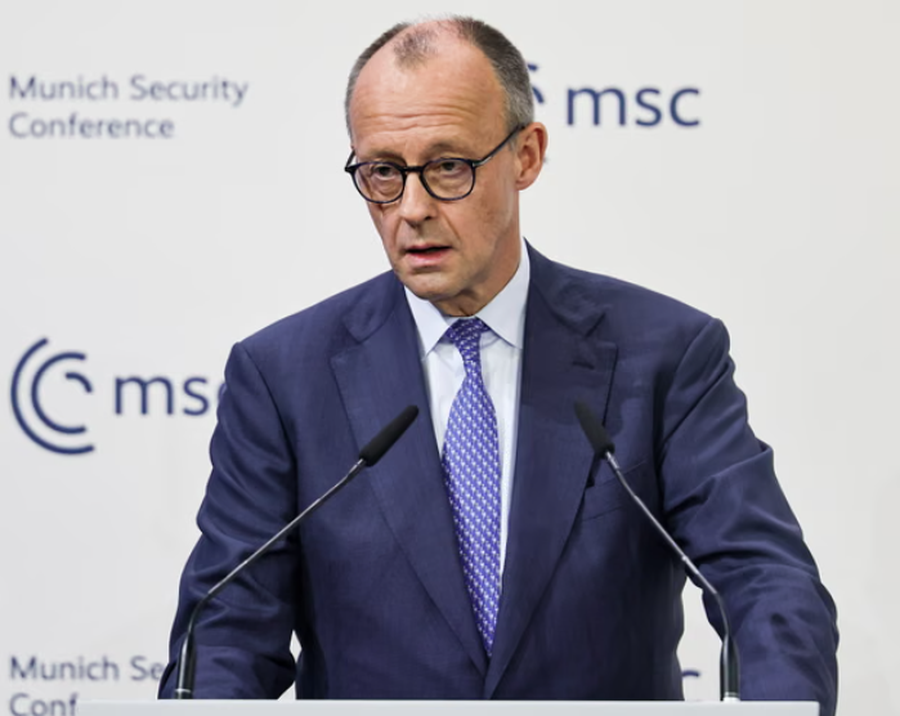
German Chancellor Friedrich Merz has called for a realignment of transatlantic relations as European leaders grapple with the turmoil of Donald Trump's second term.
Opening the Munich Security Conference, Merz warned of a new era of great-power politics and said Germany and Europe must jointly strengthen their security and independence while seeking partnerships to support the liberal order.
But, he said, leaders must come to terms with the fact that the world has changed.
"The old world order no longer exists and has been replaced by a much more uncertain landscape, shaped by rivalry between great powers and a renewed focus on national interests. A rift has opened between the US and Europe. NATO is no longer a given and freedom is at risk in the age of great powers," he told an audience of leaders and security experts on Friday in the Bavarian capital.
He warned European leaders not to "reflexively ignore" the US, saying such stances were short-sighted and failed to take into account the potential that could still be realized by engaging with Washington.
In a part of the speech in English, he addressed the American delegation directly with a clear message about the importance of unity within the alliance.
"Dear friends, being part of NATO is not only a competitive advantage for Europe, but also for the United States. So let's repair and revive transatlantic trust together. We, the Europeans, are doing our part," Merz said.
Merz also reacted to a previous speech by US Senator JD Vance, acknowledging that there is a gap between Europe and the US on some issues.
He stated that the "cultural battle of Maga in the US" is not the battle of Europe and added that "Freedom of expression here ends when the words spoken conflict with human dignity and our fundamental law."
"We do not believe in tariffs and protectionism, but in free trade. We stand by the climate agreements and the WHO, because we are convinced that global challenges can only be solved together," the chancellor stressed.
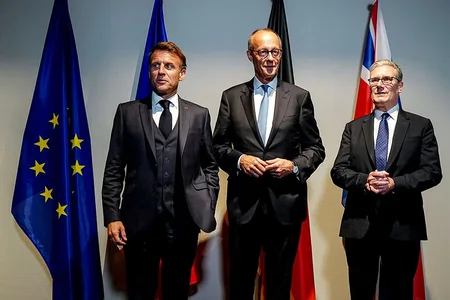
Speaking about European alliances, Merz underlined the importance of the E3 format with France and the United Kingdom, as well as broader cooperation with Italy and Poland.
“Në planin afatgjatë, do të kemi sukses vetëm nëse marrim me vete edhe evropianët e tjerë, dhe ne po e bëjmë këtë për ne gjermanët, nuk ka rrugë tjetër. Ne jemi në zemër të Evropës. Nëse Evropa përçahet, ne përçahemi. Gjermania përçahet,” tha ai.
Kancelari bëri thirrje për diskutim të mëtejshëm mbi nenin 42 të traktateve të BE-së, që flet për “ndihmë të ndërsjellë” në rast të një sulmi të armatosur ndaj Evropës.
Ai tha se dëshiron që BE-ja të “qartësojë” se si duhet të funksionojë kjo dispozitë, “jo për të zëvendësuar NATO-n, por si një shtyllë e fortë dhe e vetëqëndrueshme brenda aleancës.”
Merz bëri të ditur gjithashtu se ka nisur “bisedimet e para” me presidentin francez Emmanuel Macron për një program evropian të parandalimit bërthamor, “që do të integrohet në ndarjen tonë bërthamore brenda NATO-s.”
Duke komentuar marrëdhëniet me SHBA-në, ai tha se i kupton ata që ndihen të pasigurt për situatën aktuale dhe se i ndan disa prej këtyre shqetësimeve. Megjithatë, ai theksoi se thirrjet për të hequr dorë nga SHBA si partnere janë jorealiste, sepse “ato injorojnë realitetet e ashpra gjeopolitike në Evropë dhe nënvlerësojnë potencialin që partneriteti ynë me SHBA-në vazhdon të ketë, pavarësisht të gjitha vështirësive që ekzistojnë.”
Merz foli edhe për mbështetjen ndaj Ukrainës dhe theksoi vendimin e qeverisë së tij për të ndryshuar kushtetutën me qëllim rritjen e shpenzimeve për mbrojtjen. Ai përmendi investimet në mbrojtje dhe reformat në shërbimin ushtarak brenda dhe jashtë vendit, përfshirë dislokimin e parë të përhershëm të trupave gjermane në Lituani.
Në planin ekonomik, kancelari theksoi nevojën për forcimin e konkurrueshmërisë përmes teknologjive të reja dhe inteligjencës artificiale, si dhe kërkoi kufizimin e rritjes së burokracisë evropiane.
“Ne nuk duhet ta lidhim veten me zinxhirë që na privojnë nga konkurrueshmëria,” tha ai.
Duke reflektuar mbi politikën e jashtme gjermane të dekadave të fundit, Merz u shpreh se ajo ka pasur “një tepricë normative të qëllimeve më të mira.”
“Ajo ka kritikuar shkeljet e rendit ndërkombëtar në mbarë botën. Shpesh ka këshilluar, kërkuar dhe qortuar, por nuk është shqetësuar mjaftueshëm për faktin se shpesh i mungonin mjetet për të zgjidhur problemin,” tha ai.
Sipas tij, “hendeku mes ambicies dhe mundësisë ishte zgjeruar shumë” dhe evropianët duhet të fokusohen në mbylljen e tij.
“Një shembull domethënës është se PBB-ja e Rusisë aktualisht është rreth 2 trilionë euro, ndërsa ajo e Bashkimit Evropian është pothuajse 10 herë më e lartë. Por megjithatë, Evropa sot nuk është 10 herë më e fortë se Rusia.”
Ai shtoi se potenciali ushtarak, politik, ekonomik dhe teknologjik i Evropës është i madh, por nuk është shfrytëzuar në masën e nevojshme.
Në fund, ai citoi ministrin e Jashtëm polak Radek Sikorski, i cili 15 vjet më parë kishte thënë se i druhej më pak fuqisë gjermane sesa pasivitetit gjerman.
"This is also our responsibility," the chancellor concluded, emphasizing Germany's role in confronting the new international order.


Lini një Përgjigje