


 Shkruar nga Pamfleti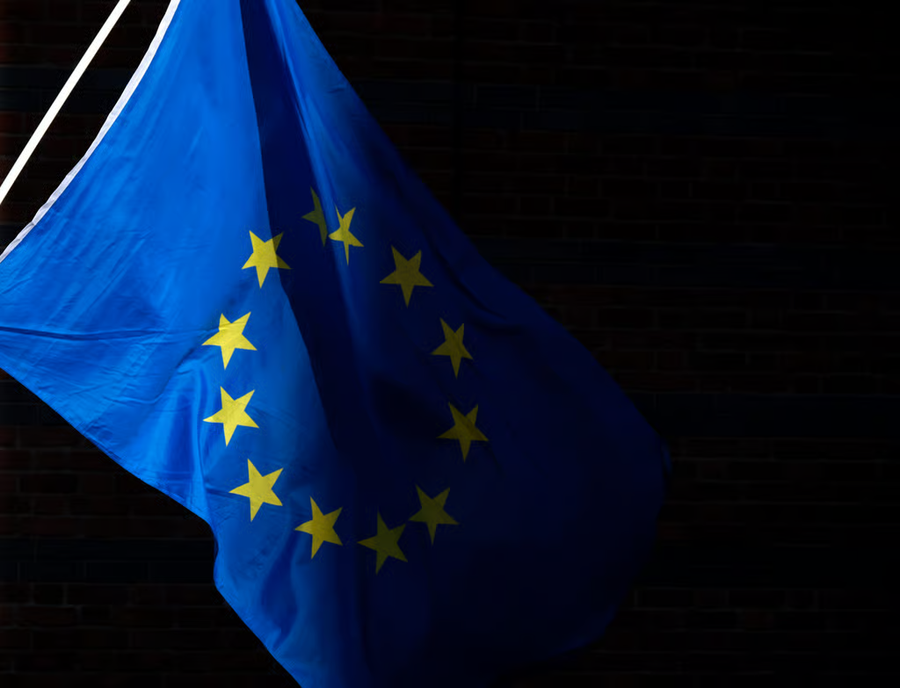
The suite, including a basement "bunker" designed to prevent surveillance, is the meeting place for EU ambassadors, who are playing a greater role than before in shaping the bloc's response to the biggest challenges of our time...
When the EU faces a crisis, the lights come on in an ultra-secure room deep in a Brussels building that hosts the European Council. Over the past year, they have been on more often than ever, as the bloc's 27 government envoys take the helm.
The suite, including a basement “bunker” designed to prevent surveillance, is the meeting place for EU ambassadors, who are playing a greater role than ever in shaping the bloc’s response to the biggest challenges of our time. From Donald Trump’s threats to take over Greenland and impose import tariffs to the conflicts in Gaza and Ukraine, the possibility of attacks on Iran and wider concerns about Europe’s economy, this lineup of the most powerful national representatives permanently in Brussels is taking shape.
Known in Brussels jargon as Coreper II, short for the Committee of Permanent Representatives, the group has existed for as long as the EU. It is gradually giving itself greater decision-making authority, not only so that the bloc can operate more efficiently, but also as a counterweight to an increasingly powerful European Commission, the EU's executive branch.
“Even before the start of our [EU Council] presidency, I had told colleagues that we would hold two Coreper meetings a week, more than usual. There was an ever-increasing amount to deal with and I did not want Coreper to have to work late into the night, ” said Agnieszka Bartol, Poland’s ambassador to the EU, who chaired the sessions during her country’s six months at the helm last year.
During the Danish EU presidency that followed Poland’s, the group met daily ahead of a key decision on how to ensure Ukraine does not run out of money, with its biggest task finding a solution to concerns from Belgium and others about the use of Russian immovable assets to finance the loan. Under the current Cyprus presidency, Coreper II has met as often as three times a week.
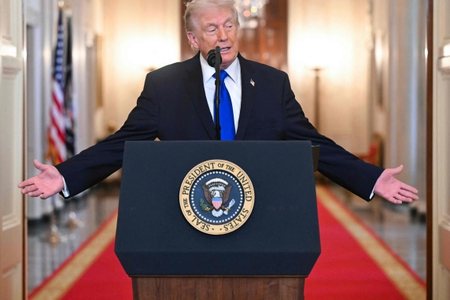
In January, ambassadors were summoned on a Sunday night, just hours after US President Donald Trump threatened to impose heavy tariffs on his allies as part of an attempt to annex Greenland. It was the first time the EU had met to discuss a response, and within hours, there was broad agreement to consider economic retaliation. Coreper has given itself the flexibility and mandate to respond quickly to events where national leaders would previously have been called in to discuss, significantly slowing down EU decision-making.
The format has moved far beyond its origins as a preparatory body more than half a century ago, said four diplomats who have been present at Coreper in the past two years. This is a process that began during the Covid-19 pandemic when it was the only physical meeting that took place, and even government ministers were forced to hold video conferences only.
Inside the chamber, ambassadors often move between their seats in the inner row to consult with experts and advisers sitting behind them, engaging in free-flowing debate by turning the board with their country's name in front of them. Legal representatives sit to advise on resolving complex issues, and, on the sidelines, envoys joke and vent about their concerns.
“ These things have to work on the basis of consensus, and if you want to strive for consensus, you have to trust Coreper to find it. It is a place where you can broker compromises. Of course, ambassadors are passionate about protecting their countries’ interests, but they try to see things from each other’s perspective ,” said an EU diplomat who took part in the talks on the issue and, like others in this article, was granted anonymity to speak about the confidential meetings.
Officially, Coreper is not a decision-making body. But those who have been inside the room say the dividing lines have become increasingly blurred in recent years.
"If we're honest, it's really a place where decisions are made," said a second diplomat, arguing that while national leaders should regularly approve their actions, the speed of geopolitics means some things can't wait for months between leaders' summits.
"There are an increasing number of files that are too political for expert groups but too technical for politicians, where we need to scrutinise things a little better before they go to leaders. And that is Coreper ," said a third diplomat.
Geopolitical uncertainty
This role has become clearer since European Council President António Costa took office in 2024. He and his team have won applause from capitals by managing to reduce regular leaders' summits to one-day meetings, compared to the multi-day negotiations of the past, and by agreeing key positions between ambassadors ahead of the meetings. His chief of staff, Pedro Lourtie, often attends Coreper, as does Commission President Ursula von der Leyen's top adviser, Bjoern Seibert.
At the same time, Coreper II, which has historically focused on the economy, home affairs and external relations, has now taken over issues that were previously the responsibility of its sister format, Coreper I, which meets to discuss specific technical files related to policy areas. With controversial topics such as energy, climate change and bureaucracy becoming priorities for leaders, Coreper II ambassadors now negotiate on them as well.
One of the responses to the geopolitical uncertainty facing the EU is that the Commission has become involved in what were traditionally national competences, such as defence and asylum policy. Coreper II is key to ensuring that member states maintain close oversight of its work, without delaying it or having to wait months for leaders to meet and approve the deal, diplomats said.
"When we were negotiating the US trade deal, there was a Coreper constantly," said a Commission official, complaining about the increased control from capitals.
But for ambassadors, having their say on key issues and avoiding Brussels going too far without a mandate from member states is precisely the point.
"Coreper is built on two principles. Mutual trust and no surprises ," said Bartol, the Polish ambassador. / Adapted from "Pamphlet" by "Politico"




Lini një Përgjigje