


 Shkruar nga Pamfleti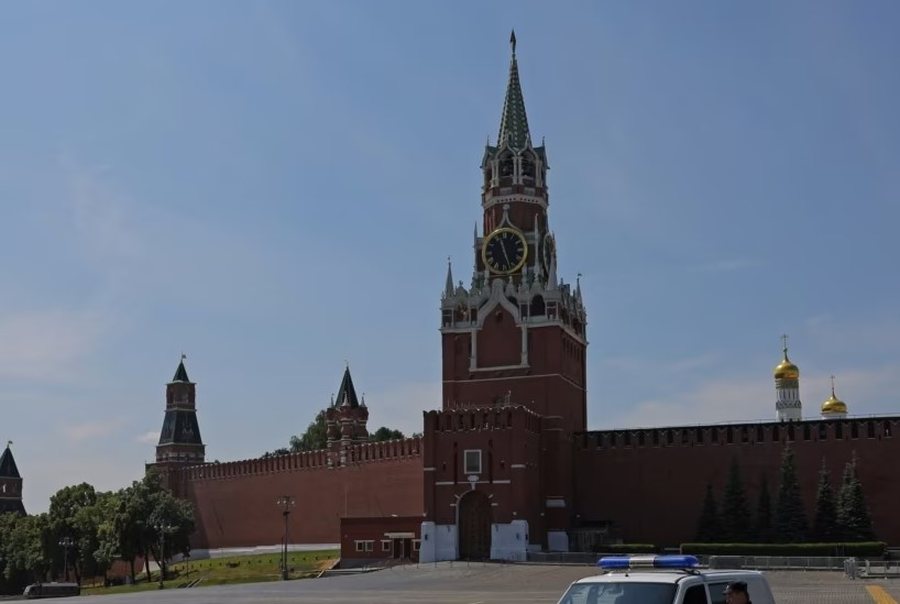
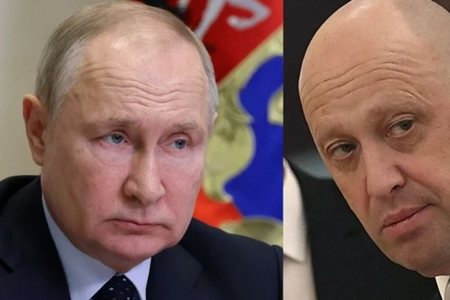
Russia experienced its most serious threat to the state in decades when the Wagner mercenary group rebelled and its leader threatened to attack Moscow and oust President Vladimir Putin. The episode lasted less than 24 hours, but it left big questions about the direction of Russia's operations in Ukraine and about Putin's political future.
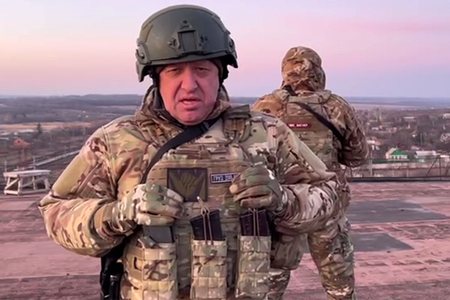
Wagner's mercenary troops occupied the southern Russian city of Rostov-on-Don for about 12 hours on Saturday, encountering little resistance as they overran the local military headquarters.
Now, after an agreement with the Kremlin, they will return to their bases in the territory that Russia occupied in Ukraine with the promise that there will be no retaliation against them.
The group's leader, Yevgeny Prigozhin, fled to Belarus under the auspices of President Alexander Lukashenko, a Putin ally.
Wagner's insurrection threatened the Russian capital and drew a harsh response from Putin against its perpetrators in an address to the nation.
"We are facing internal betrayal. Extreme ambitions and personal interests led to betrayal. Betrayal of their country and people. Wagner's warriors were dying alongside our soldiers."
Russian officials have flocked to the media to propagandize that Putin emerged stronger from this brief crisis. But international observers say the opposite, that the weaknesses of the Russian leader have been irreparably exposed.
"This is the overthrow that Putin had cultivated so much, to be completely in control and to have a firm grip on power throughout the country. Clearly that is no longer the case. The Prigozhin incident sets an extremely dangerous precedent for power in Russia. Once others see that it can be done and you can survive it, there will be other challenges," says Keir Giles with Chatham House.
Now Russian authorities are working to cover the tracks of the Wagner group, which until last week was praised by Kremlin propaganda.
Prigozhin has defied Moscow, talking about the precarious situation of the Russian military in Ukraine -- one of the reasons he says led him to start the rebellion.
“Ne humbasim deri në 1000 persona në ditë. Këtu përfshihen të vrarët, të zhdukurit dhe të plagosurit dhe ata që refuzojnë – që nuk duan të luftojnë: jo sepse janë frikacakë, por sepse nuk kanë zgjidhje, nuk kanë furnizime me armë, nuk kanë strukturë komanduese”.
Sekretari i Jashtëm britanik James Cleverly vuri në dukje se Prigozhini kishte vënë në dyshim justifikimin e Putinit për pushtimin e Ukrainës.
“Gënjeshtrat e qeverisë ruse janë ekspozuar nga një prej krerëve të vetë Presidentit Putin”.
Vëzhguesit besojnë se çfarëdo marrëveshje që Putini ka bërë me Prigozhinin, udhëheqësin mercenar e pret një e ardhme e errët.
"Whatever happens, for the rest of his life he has to be extra careful because he is now 'a targeted man.' He has challenged the authorities in Russia and so far survived. The question is for how long?" ”, says Keir Giles.
Calm has returned, at least for now, to Russia's streets, but after the acute crisis last weekend, analysts say the events of the past few days could be a precursor to something bigger. /VOA


Lini një Përgjigje