


 Shkruar nga Pamfleti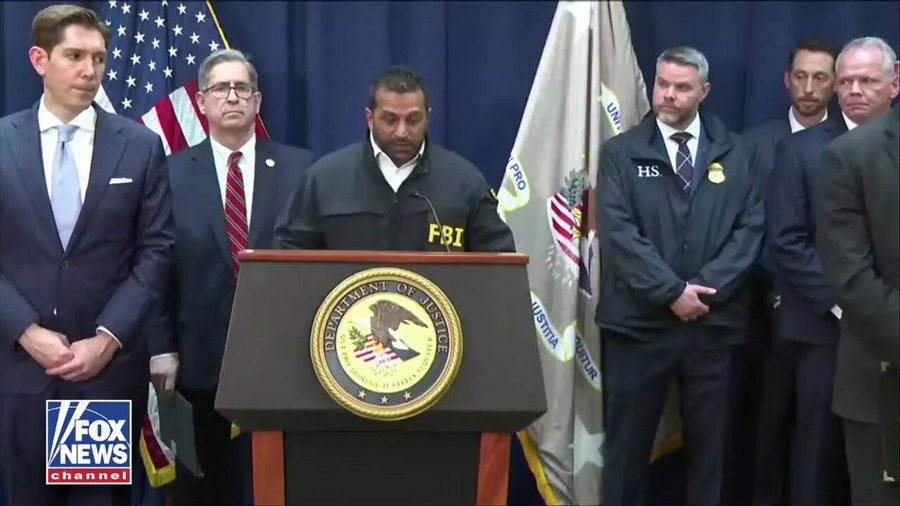
In a move not made public by either party, Federal Bureau of Investigation (FBI) Director Kash Patel visited Beijing last week to discuss the illegal fentanyl trade and other law enforcement issues, according to sources familiar with the matter.
According to sources, Patel arrived in the Chinese capital on Friday and stayed for a day, during which he held meetings with senior Chinese security officials.
His visit came shortly after the summit between US President Donald Trump and Chinese President Xi Jinping, where the two leaders praised "a new consensus" for cooperation in the fight against fentanyl trafficking.
Silent diplomatic visit
Neither the White House nor Beijing publicly confirmed the trip, while Chinese Foreign Ministry spokesman Lin Jian said he was “not aware” of the visit. China’s Ministry of Public Security and the U.S. Embassy in Beijing also did not comment to Reuters.
On the same day, the Chinese Ministry of Commerce announced that it would update the catalog of chemicals related to drug production and require special licenses for the export of some substances to the US, Canada and Mexico. This measure is seen as a concrete step after the Xi–Trump agreement.
A turnaround in the Trump administration's stance
President Trump, who had previously imposed punitive tariffs on Chinese goods due to the influx of fentanyl into the US, agreed last month to halve the tariffs, from 20% to 10%, after talks with Xi Jinping.
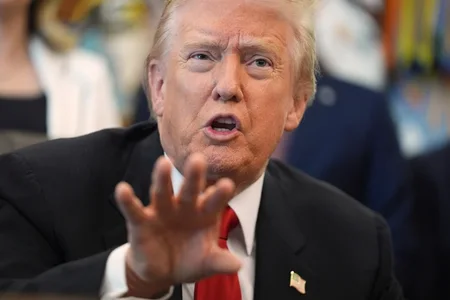
"Xi will work very hard to stop the flow of fentanyl," Trump told reporters after the meeting.
US Treasury Secretary Scott Bessent confirmed that a joint working group would be established to work out the details of the new cooperation. It is not clear whether Patel discussed this mechanism during his stay in Beijing.
Clashes over responsibility for fentanyl
China has long rejected the US accusations, insisting it has taken strict measures to control precursor chemicals used in the production of fentanyl. Beijing has accused Washington of "using the issue as political blackmail".
On the other hand, the Trump administration has placed fentanyl at the center of its national security policy, calling it the greatest health threat in the United States. This synthetic opioid is the leading cause of overdose deaths in the country, according to official US data.
An agreement with economic impact
According to Reuters, the agreement between Trump and Xi extends beyond cooperation on fentanyl.
China has agreed to resume purchases of American soybeans, while suspending export restrictions on rare earth elements, strategic materials for the technology industry.
These developments signal a new period of dialogue between the two powers, although experts warn that mutual distrust remains high. Patel's visit, although kept low-profile, is seen as an attempt to strengthen operational communication between security agencies in the two countries, at a time when trade and technological tensions remain sensitive.


Lini një Përgjigje