


 Shkruar nga Pamfleti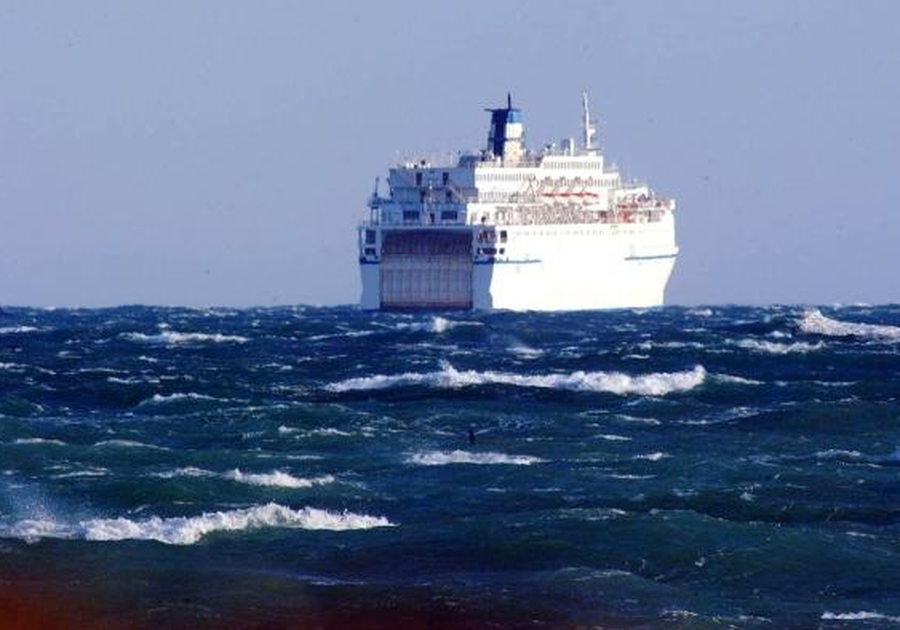
Rising fuel prices are putting pressure on air and sea transport, as the industry warns of possible reductions
The closure of the Strait of Hormuz since early March has had far-reaching consequences for global transport, initially affecting the air sector and now putting pressure on maritime transport, including ferries. The sharp rise in fuel prices has had a knock-on effect on the transport industry, increasing operating costs for companies around the world.
Although oil prices have fallen since the announcement of a ceasefire, the previous surge has pushed fuel prices to record levels. So far, the biggest impact has been felt in air transport, but the maritime sector is also struggling to cope with high costs, although fuel supplies remain stable.
In Europe, maritime industry associations such as Assarmatori and Confitarma have warned of the risk of disruptions to maritime connections or reductions in services if fuel prices remain high. They point out that ferry transport is vital for countries like Italy, where millions of citizens depend on connections to islands.
Industry representatives have called for government intervention, proposing support measures such as tax credits to offset additional fuel costs. Without concrete intervention, they say, companies could be forced to reduce travel frequencies or, in extreme cases, suspend some routes, especially long-distance ones.
The risk is higher for routes to the main islands, such as Sicily and especially Sardinia, where high operating costs can make regular operations economically unviable. In some cases, operators may prefer to keep ships in port to avoid financial losses, even though this implies other fixed costs such as crew salaries and maintenance.
Meanwhile, major shipping companies are trying to mitigate the impact. The MSC Group confirms that fuel supplies are guaranteed through existing contracts, but admits that costs remain a real challenge for the sector. The company is trying to optimize capacity by increasing ship load factors to better cover costs.
On the other hand, other operators such as Moby declare that so far they have not recorded any direct impacts on their operations and that the lines in the Mediterranean continue normally. According to them, the demand for trips to the islands remains strong, especially in the run-up to the summer season.
However, uncertainty remains high globally. The situation in Hormuz, one of the world's most strategic oil shipping lanes, continues to directly impact energy markets and, by extension, all forms of transportation. If tensions persist or fuel prices remain high, the impact could deepen, affecting not only airlines but also maritime transport and vital international connections.







Lini një Përgjigje