


 Shkruar nga Pamfleti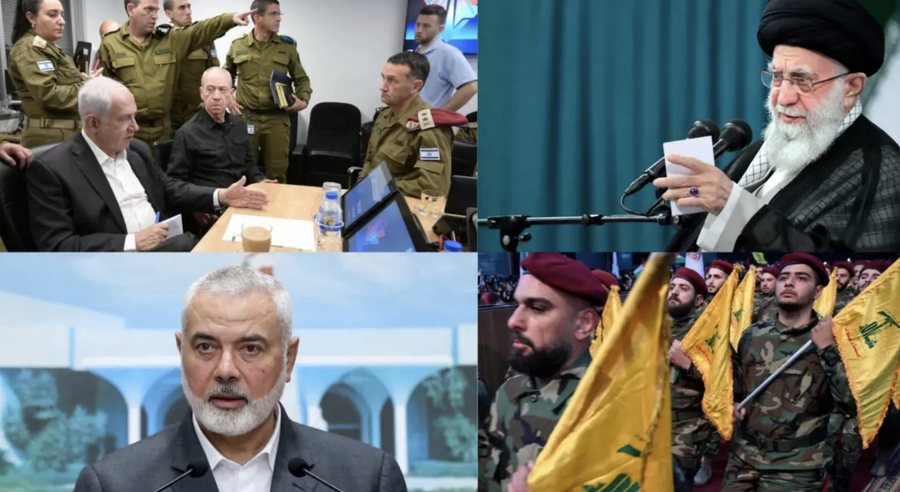
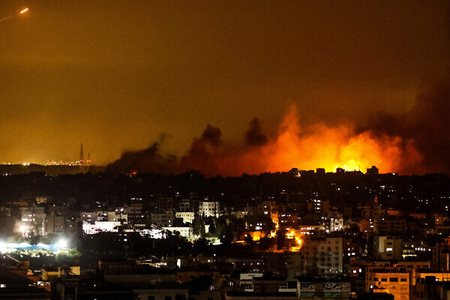
Israel is again at war with the Palestinian terrorist organization Hamas. However, they are not the only two actors in the game who have interests in this conflict. From across the border in Lebanon, Hezbollah threatens the Jewish state, and Iran casts its shadow over countries bordering the Mediterranean in a bid to exert ever greater influence.
Benjamin Netanyahu: Prime Minister of Israel
The Israeli prime minister has gone through a real cursus honorum. Born in 1949 in Tel Aviv, he joined the Israeli army in '67, serving as a team leader in the Sayeret Matkal special forces unit. With his unit, he participated in many missions and fought on the front lines in the 1967-1970 War and the Yom Kippur War (1973). His political career began after retirement and a period of study in the United States, between Harvard and MIT. In 1988 he was appointed Israel's Permanent Representative to the UN, a post he held until becoming head of the Likud party in 1993. In 1996, Netanyahu became the youngest prime minister in the country's history.
"Bibi" led six governments. The last one, formed in December 2022, was born from a coalition with far-right parties. He overcame the Covid emergency and signed the "Abraham Accords" brokered by the United States. During his tenure in office, he ordered several attacks on the Gaza Strip, including Operation Protective Edge in 2014. The only step he took towards reconciliation with the Palestinians was the signing of the Wye Accords with Yasser Arafat in 1998.
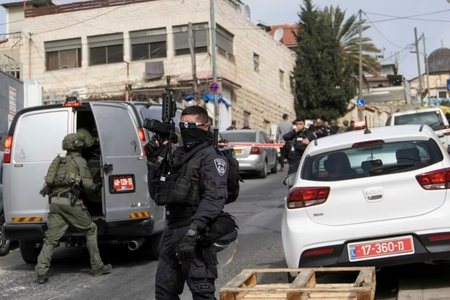
The Israel Defense Forces: the force to repel Hamas
The IDF, also known as Tsahal, is the armed force of the State of Israel. Founded in 1948 to protect the territorial integrity of the nascent Jewish nation, today's Tel Aviv army has brought together paramilitary militias that had fought in the war of independence, such as the Palmach, Haganah and Lehi. It has participated in all the conflicts that have involved the state of Israel since its establishment.
Its three branches (Army, Marines and Air Force) are subordinate to the Chief of the General Staff, who reports directly to the Minister of Defense. The force consists mainly of conscripts, whose numbers could quickly triple thanks to the mobilization of reservists. Furthermore, the FMI was among the first armies in the world to also recruit women. Today it is considered one of the best in the world, both for the quality of training of soldiers and for the advanced technology available.
Itamar Ben-Gvir: the nationalist who lights up the squares
A leading figure of the Israeli far right, Itamar Ben-Giv is the current Minister of National Security in Tel-Aviv. The 47-year-old lawyer has been head of the Jewish Power party since 2019 and has a past in the Kach group, an organization also considered terrorist in the Jewish state. The settler from Kiryat Arba, one of the West Bank's most radical settlements, has been convicted several times of racism, destruction of property and incitement to hatred.
Megjithatë, kjo nuk e ndaloi karrierën e tij politike. Ndër propozimet e tij që ka shkaktuar bujë më të madhe është ai i dëbimit të qytetarëve palestinezë, “të pabesë” ndaj Izraelit. Kjo është një ide e cila sipas një sondazhi është mirëpritur nga një pjesë e mirë e bashkatdhetarëve të tij. Në vitin 2023, në mes të protestave dhe përplasjeve brenda ekzekutivit për reformën e diskutueshme në drejtësi të kërkuar nga Netanyahu, ai u bë një mbështetje thelbësore për të shmangur rënien e qeverisë. Në këmbim, ai fitoi mundësinë e krijimit të një garde kombëtare në varësinë e tij.
Ismail Haniyeh: udhëheqësi i Hamasit
Ndër anëtarët më të rinj themelues të Hamasit në vitin 1988, lideri aktual politik i grupit terrorist u formua nën hijen e Sheikh Ahmed Yassin, udhëheqës shpirtëror i lëvizjes, sekretar i së cilës u bë në vitin 1997. I rritur në kampin e refugjatëve Al Shati, Ismail Haniyeh përfundoi disa herë në burgjet izraelite për pjesëmarrjen e tij në intifadën e parë dhe aksione të tjera të organizatës. Protagonist i përçarjes mes Hamasit dhe partisë Fatah, ai drejtoi qeverinë e parë autonome të Rripit të Gazës.
Në vitin 2007, Abu Mazen ia besoi detyrën e formimit të një ekzekutivi të unitetit kombëtar, pa sukses. Nëntë vjet më vonë, në vitin 2016, ai u kthye në krye të organizatës, duke pasuar Khaled Meshaal si kreun e departamentit politik të Hamasit. Ai u zhvendos në Doha, ku banon edhe sot. Para sulmit të së shtunës, ai u shfaq për herë të fundit në vitin 2020, për të denoncuar marrëveshjen e paqes të firmosur midis Izraelit dhe Emirateve të Bashkuara Arabe.
Hezbollahu dhe Irani: galaktika shiite rrotull Izraelit
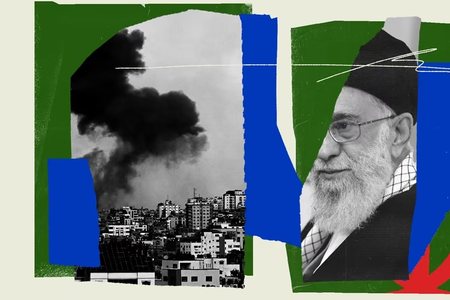
Teherani është armiku i betuar i Izraelit. Që nga Revolucioni Islamik, ajatollahët e kanë quajtur Holokaustin një “mit” dhe janë zotuar të fshijnë shtetin hebre “nga faqja e planetit”. Për Iranin, kombi në brigjet e Mesdheut është një garnizon i vërtetë amerikan në Lindjen e Mesme dhe një kërcënim për pretendimet e tij për hegjemoninë në rajon, si dhe një pushtues i paligjshëm i Jeruzalemit. Për këtë arsye, ai ka kanalizuar burime të konsiderueshme për financimin e grupeve shiite, në radhë të parë të lëvizjes Hezbollah, për të mbajtur një prani të fortë në kufijtë e Izraelit dhe për ta nënshtruar atë ndaj një kërcënimi të vazhdueshëm.
Tel Aviv has certainly not remained passive: Mossad agents managed to kill five important scientists of the Iranian nuclear program and hit many strategic sites with cyber attacks. The operation of Hamas, therefore, fits into this "game" of hegemony. Tehran is not historically close to the Palestinian movement, but it has helped it. Therefore, this war could be a prelude to greater Iranian aggression in southern Lebanon, also prompted by the possibility that Tel Aviv and Riyadh could achieve, after the push of the United States, a normalization of diplomatic relations. / il giornale – bota.al


Lini një Përgjigje