


 Shkruar nga Pamfleti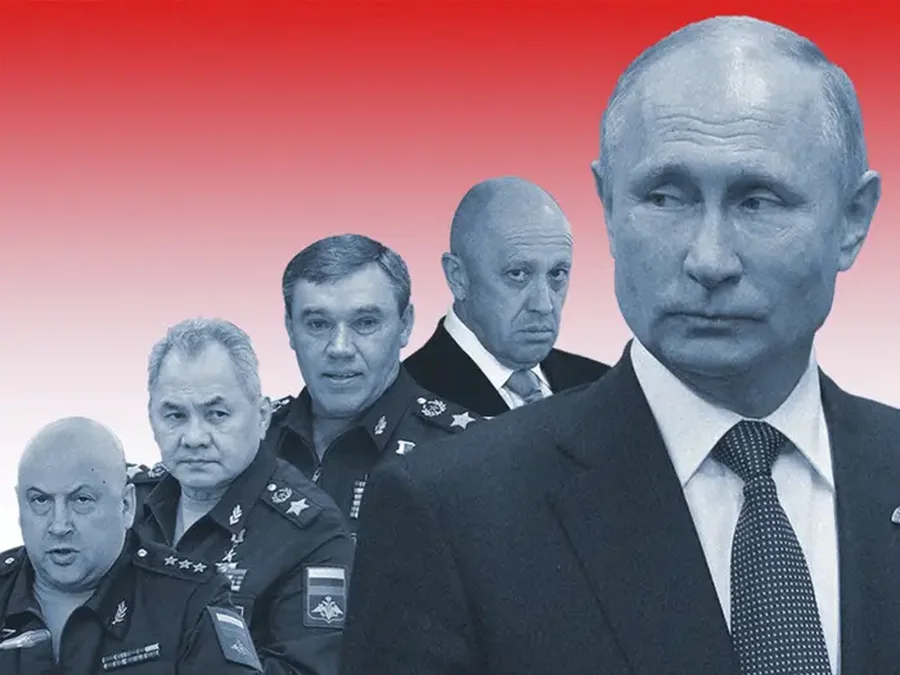
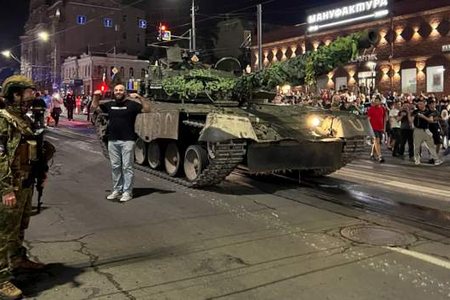
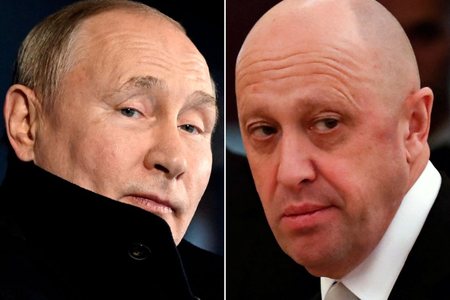
Regardless of whether Yevgeny Prigozhin will give up his coup d'état, the chaos in Russia has caused the country to cross a rubicon. The Russian state will emerge more militarized and fascist no matter what. It may be true, as Mr. Prigozhin, that "not a single drop" of blood was shed in his march towards Moscow, but nothing positive will come out of the truce. Either Prigozhin's faction will claim more power or Vladimir Putin's coup will be terrible. A more nationalistic Russia results in any case.
Instead of Russia somehow returning to "normalcy", the coup has cemented the country in the image of the puppet People's Republics of Donetsk and Luhansk in occupied Ukraine, where warlords, mercenaries and mass mobilization rule. The coup attempt has shown that our ongoing assumptions about what we have long called Putin's Russia need to be reevaluated. Power abhors a vacuum, and that was only so long as the wonder of Putin's semi-isolation in the Kremlin was unchallenged by front-line men like Prigozhin.
Indeed, the coup marks the final turning of a page in Russian history: from an era of oligarchs like Roman Abramovich, still a lingering presence at the start of the occupation, to an era of warlords with private armies like Prigozhin. Their numbers have grown since the Kiev attack and now include battalions linked to Russian energy giant Gazprom.
Western officials were already speculating weeks ago that Russia's future would be shaped by private military companies. But their time horizon was a few years, not a few days. The immediate fate of Prigozhin and Putin and their negotiations will now depend on how these commanders in chief line up, from Chechen leader Ramzan Kadyrov, whose armed forces are loyal to him, to Viktor Zolotov, head of the National Guard of The Rosguard.
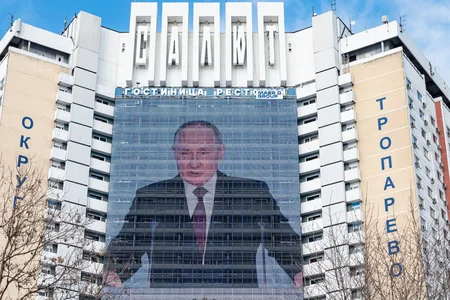
This matters because, however things are going now, Prigozhin has killed the myth of Putin. The idea until now was that in domestic affairs everything is controlled or manipulated by the man in the Kremlin, that his intelligence can see through any plot or that anyone who challenges him will find himself dead within 24 hours. The Russian president now looks confused, shocked and extremely stupid. Prigozhin had been unleashing vicious verbal attacks on the general staff for months.
Wasn't it Putin himself who let him become a celebrity with Wagner even appearing on billboards?
Russia's future will now be shaped not by a backstabbing myth. Putin's old war story is broken. Although the Kremlin may have ordered Russian search engines and social media giants to block search results for Prigozhin and Wagner and called for his arrest on state-controlled propaganda channels, news of the rebellion has already traveled up and down the line. first by telegram and in the trenches, word of mouth. So have Prigozhin's claims: that the war is a failure, that Ukraine would never attack Russia with the entire NATO bloc behind it, and that over 100,000 Russian soldiers have died. The war, according to Prigozhin, was actually started by the oligarchs to profit from it. Kremlin confessions, at home or abroad,
Western diplomats believe the future will also see Putin weakened internationally. Russia and the Russian president have over the past year built an image of themselves as fiercely resisting an all-out war from the West, while calling on others to join them in tacitly or openly supporting their rebellion. against Washington.
But now Vladimir Putin, instead of looking like a warrior in the face of Xi Jinping, looks like a liability who cannot help his country and may actually accelerate its geopolitical decline. Kazakhstan, where in the run-up to the war in Ukraine the Kremlin sent troops to help the government quell the unrest, chose to broadcast that it had rejected Putin's requests for support. Others will follow, mocking this not-so-strong man.
Pse e bëri Prigozhin sulmin e sotëm? Arsyet psikologjike janë të dukshme. Pse Napoleoni luajti kumar më 18 Brumaire? Pse Cezari kaloi Rubikonin? Sepse ata mendonin se mund të fitonin. Pyetja interesante është se cilat ishin pikërisht kushtet politike që e bënë Prigozhin të vinte në këtë përfundim. Përgjigja qëndron se për dekada Putini ka pasur sukses si politikan, por nuk ka arritur të ndërtojë një shtet modern. Duke qeverisur me anë të korrupsionit dhe duke e toleruar atë. Duke urryer strukturat dhe institucionet, të cilat kjo kleptokraci i minoi, Putini zgjodhi gjithmonë të shpërblente besnikët ad hoc dhe zgjidhjet si kjo e Grupit Wagner.
Që kjo kontradiktë nuk mund të zgjaste përgjithmonë ishte teza e librit tim të parë Perandoria e brishtë. Rezultati ishte që ushtria ruse hyri në luftë bazuar në plane komike absurde të hartuara për të kënaqur një njeri që mbështetej në operacione të fshehta dhe njësi ushtarake të zbrazëta nga korrupsioni. Prigozhin, i cili, ndryshe nga Putini, drejtoi një anije të vërtetë diktatoriale, e ndjeu mundësinë e tij. “Kjo është arsyeja pse ne jemi patriotët,” tha ai, duke u shtriqur nga lodhja, pasi hyri në Rostov, “dhe ata që na kundërshtojnë sot janë ata që janë mbledhur rreth llumrave. Sepse ne nuk duam që vendi të vazhdojë të jetojë në korrupsion, mashtrim dhe burokraci”. Kjo mbetet ende kështu.
Sistemi i vjetër ka marrë fund
Rebelimi e ka dobësuar në mënyrë dramatike Putinin dhe përpjekjet e tij për luftë. Siç janë tani gjërat, sistemi i vjetër i Putinit, ku njeriu i brendshëm i quajtur Car luftoi dhe vidhte nën udhëheqjen e tij, pasi herë pas here helmonte një gazetar ose një lider opozitar, ka përfunduar. Gjatë 48 orëve të ardhshme Putini mund të arrijë në një lloj armëpushimi të vështirë me kujdestarin e tij të dikurshëm, por rezultati në planin afatgjatë do të jetë një ribalancim themelor i pushtetit larg tij. Ai mund të ulet ende në Kremlin pas një viti, por epoka kur ai ishte e vetmja gjë që kishte rëndësi në Rusi ka mbaruar. Prigozhin e varrosi, çfarëdo që të ndodhë më pas.
Ky është një moment i favorshëm, por edhe ogurzi për Ukrainën dhe Perëndimin. Kundërofensivat e Kievit, të cilat ndërkohë që po vazhdonin, nuk kishin shijuar suksesin e hershëm që mund të kishin shpresuar, tani kanë një shans të jashtëzakonshëm për të përfituar nga falimentimi i moralit, çorientimi dhe shpërqendrimi rus.
Kaosi politik në Moskë e ndihmon Ukrainën në planin afatshkurtër, por në planin afatgjatë, nëse shfaqet një Rusi edhe më fashiste dhe hiper e militarizuar, ajo do të kërkojë burime gjithnjë e më të mëdha, si në aspektin njerëzor ashtu edhe në material, për të vazhduar luftën. Ndërkohë, për Perëndimin, çështja e tmerrshme e kontrollit të armëve bërthamore të Rusisë duhet të jetë ylli verior i strategjisë së saj, sado e pakëndshme që do të thotë që bashkëbiseduesit janë. Kush, në këtë kohë të tanishme, i kontrollon armët e shumta bërthamore taktike në terren? Agonitë e Rusisë, si shtet dhe si shoqëri, do të zgjasin shumë më gjatë se ato të Ukrainës. Por aleatët duhet të braktisin çdo shpresë që Rusia t’i kthehet “normalitetit” së shpejti.
It is not a sad and scary future that awaits the Russian people - this is already their present./Taken from The Telegraph


Lini një Përgjigje