


 Shkruar nga Pamfleti
Trump has expressed frustration with the situation and is at odds with some of his own officials. According to advisers and some members of Congress, he is looking for a way out.
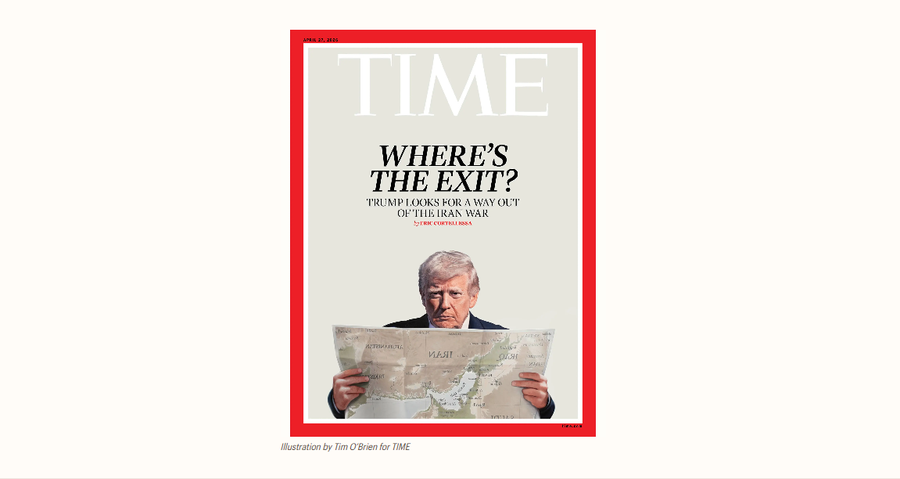
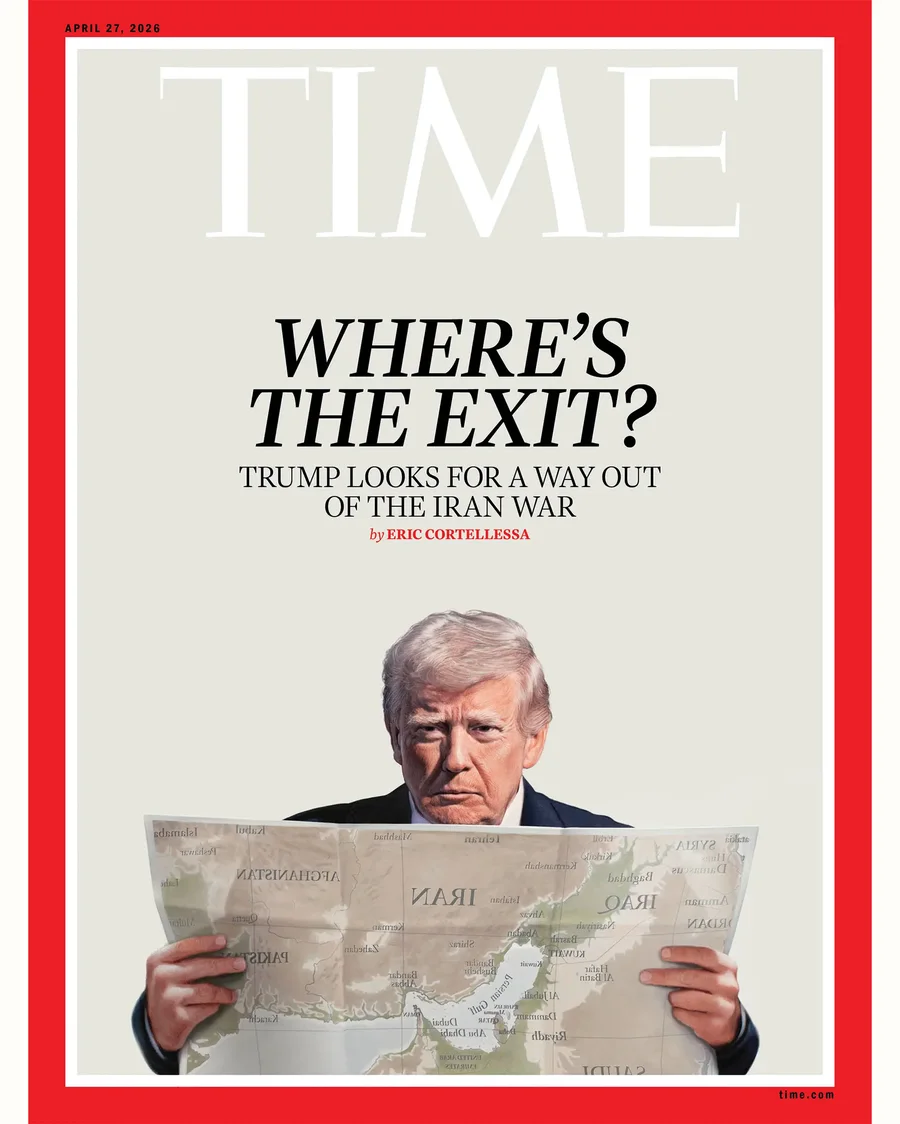
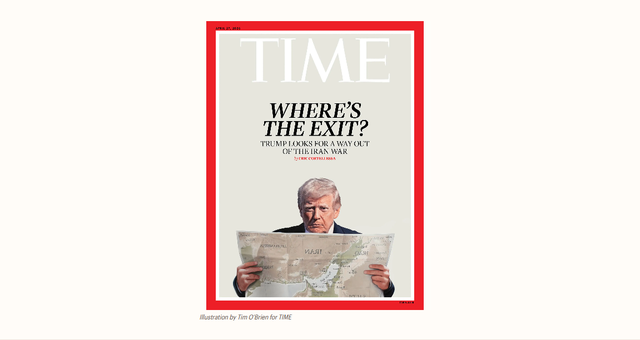
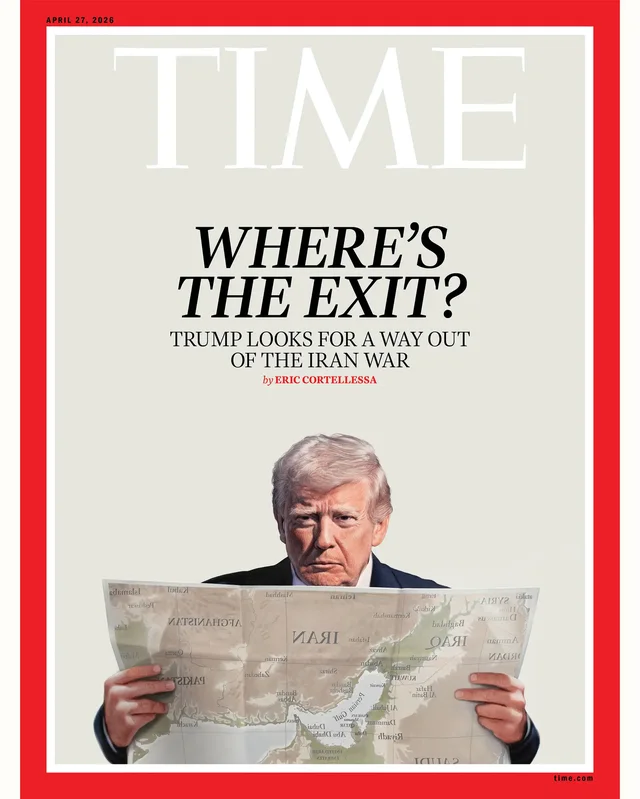
According to TIME magazine, Donald Trump was in the Oval Office during the third week of the war with Iran when a group of his most trusted advisers brought him unpleasant news.
Polls conducted by his longtime pollster, Tony Fabrizio, showed that the war Trump had started was becoming increasingly unpopular. Gas prices had risen above $4 a gallon, stock markets had fallen to their lowest levels in years, and millions of Americans were preparing to protest. Thirteen American soldiers had been confirmed dead. Some of Trump’s top public supporters were criticizing a conflict with no clear end in sight.
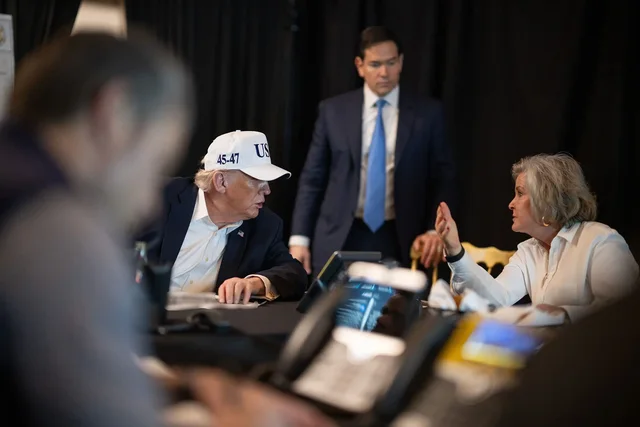
White House Chief of Staff Susie Wiles and a small group of advisers communicated to the President that the longer the war dragged on, the more it would jeopardize public support and Republicans' chances in the midterm elections in November.
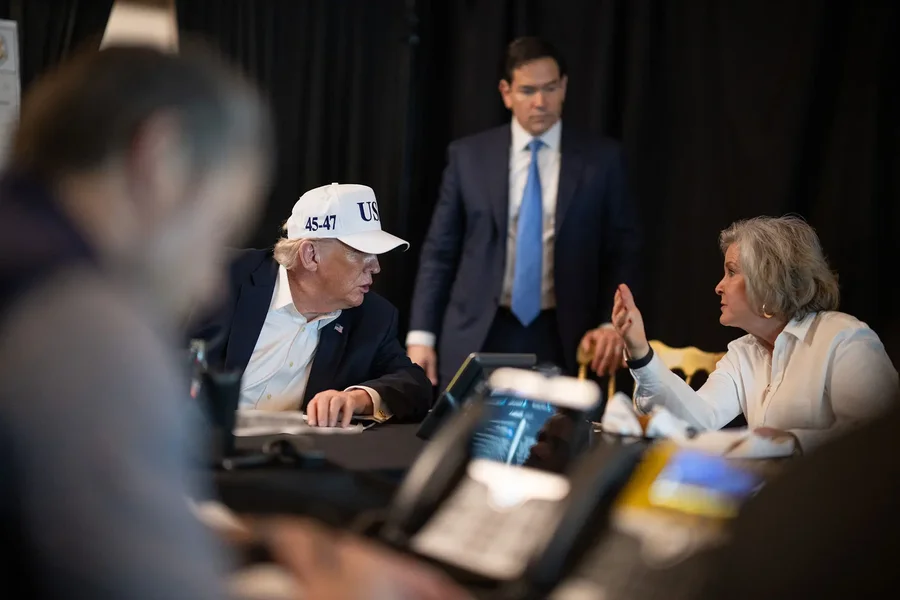
The warning was troubling for Trump. According to a senior administration official, he had spent some mornings watching videos prepared by the military showing battlefield successes. He had told advisers that eliminating the nuclear threat from Iran could be one of the major achievements of his presidency.
However, Wiles had concerns that some aides were presenting the President with a more optimistic picture than reality, telling him what he wanted to hear rather than what he needed to hear. She had urged colleagues to be more forthright about political and economic risks.
The meeting reflected a reality the White House can no longer ignore: Time is running out before the President, his party, and the American public pay an even higher price. Trump had promised to revive the economy and avoid involvement in foreign conflicts. Now he has launched a war without a clear mandate, and the economic consequences are just beginning.
A month after the biggest oil shock in modern history, global growth forecasts are being slashed, shortages are looming in Europe and Asia, and energy traders warn that the world has yet to feel the full effects of the crisis. The prolonged closure of the Strait of Hormuz could push the global economy into recession.
Trump has expressed frustration with the situation and is at odds with some of his own officials. According to advisers and some members of Congress, he is looking for a way out. He wants to end the military campaign to avoid a long conflict that could hurt Republicans, but at the same time seeks a decisive outcome.
His allies say he is looking for a way to declare victory, stop the fighting and hopefully stabilize the economy before the political damage becomes irreversible. “There is a narrow window,” said a senior administration official.
In a speech on April 1, Trump highlighted military successes and declared that the operation was "near completion," while warning of strong strikes against Iran in the coming weeks.
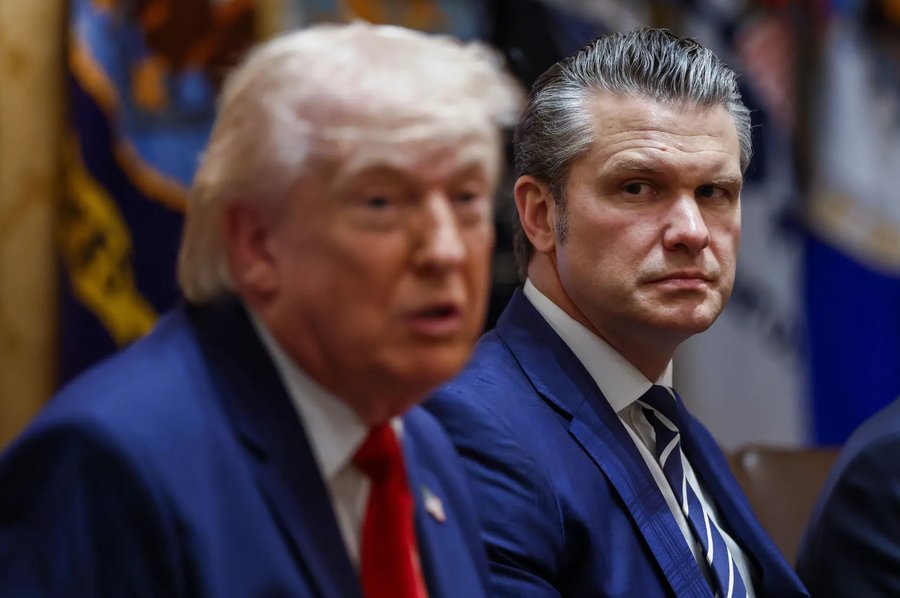
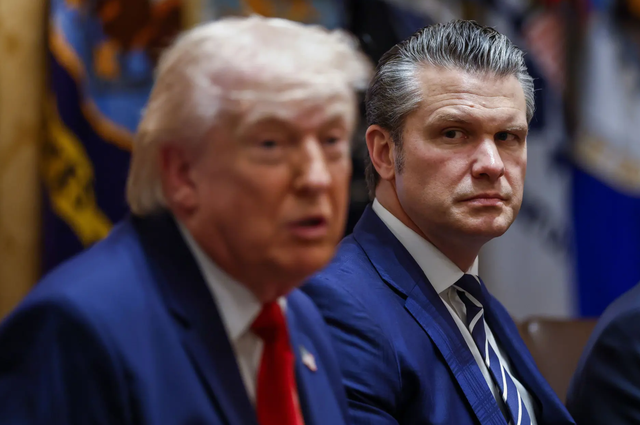
However, concerns have grown within the White House that the situation could spiral out of control. Some senior officials, including Defense Secretary Pete Hegseth, have been surprised by the scale of Iran's retaliatory attacks on American and Israeli targets in the region.
The Pentagon disputes this assessment, stating that every scenario was anticipated and that the US remains in the clear. According to it, the operation has significantly weakened Iran's military capabilities and eliminated key leadership figures.
However, it seems increasingly unlikely that Trump will achieve broader objectives, such as permanently halting Iran's nuclear program or regime change, in a short period of time.
The endgame remains unclear. Trump has promised both escalation and withdrawal. He has declared that he will use unprecedented force, but he has also emphasized that the final decisions will always remain in the hands of humans, not artificial intelligence.
His adviser Steve Witkoff says Trump always keeps some exit options open, but wars often outpace a president's plans. The risk is that escalating conflict will close more avenues than it opens new ones.
The administration initially believed that a hard strike would force Iran into a limited response. But Tehran's response has been broader, including attacks in the region and interference in energy supply routes.
Meanwhile, rising prices and costs for consumers risk undermining Trump's key economic promises. He faces a dilemma: ending the war without losing sight of his strategic objectives.
Some officials warn that military pressure could push Iran to accelerate its nuclear weapons efforts.
The administration now faces the challenge of finding a way out without appearing weak. Building a new, more stable regime in Iran is proving more difficult than anticipated.
As TIME's analysis highlights, war is becoming an unpredictable process, where each blow creates new consequences and where the space for a controlled conclusion is increasingly narrowing./ Pamphlet



Lini një Përgjigje