


 Shkruar nga Pamfleti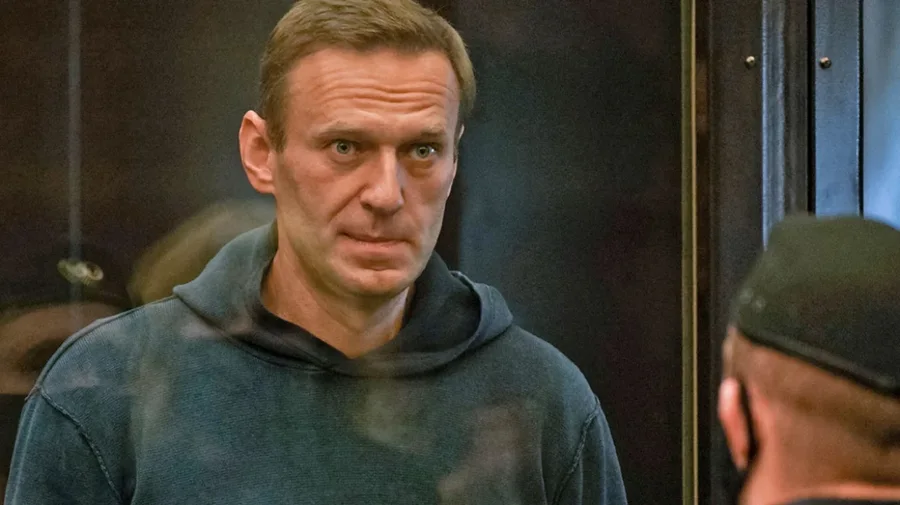
As the number of Russians jailed for their political views or religious beliefs rises, analysts said the Russian state is increasingly subjecting them to a wide range of abusive treatment.
When prison authorities in the Russian Arctic announced the sudden death of Russian opposition leader Alexei Navalny on February 16, they said preliminary data indicated the cause of death was "sudden death syndrome". A day later, state broadcaster RT quoted an anonymous source as saying that Navalny, 47, died of thrombosis.
For medical staff in Russian prisons, thrombosis is "a universal diagnosis that is used to explain everything," Anna Karetnikova, a human rights activist who was previously an analyst at the Federal Penitentiary Service, wrote on Telegram.
Navalny's death came after he spent years in prison, of which he spent over 300 days in solitary confinement. While in prison, he was denied health care, complained of being subjected to sleep deprivation and many other things. Russian courts had dismissed more than 40 complaints he filed about alleged ill-treatment.
As the number of Russians jailed for their political views or religious beliefs rises, analysts said the Russian state is increasingly subjecting them to a wide range of abusive treatment.
"The practice of punitive discipline is extremely diverse," Sergei Babinets, head of the Team Against Torture, a human rights group, told Radio Free Europe on February 18. "Thanks to the constant attention from the media we have paid the case of Viktor Filinkov", a man who was sentenced in 2020 to seven years in prison, under allegations that he belonged to a "terrorist" group. "We've learned that if the authorities want to, they can punish you even if you laugh while you're working."
Although reports of physical violence against dissident prisoners have increased, Babinets said, the use of such disciplinary rules to harm their health and well-being is much more common. "Why should they beat them when they can just strictly follow the law and make the prisoners suffer?" he said.
Opposition politician Vladimir Kara-Murza, who was sentenced to 25 years in prison in April on charges of treason and other charges, is being held in solitary confinement in an Omsk prison, his wife, Yevgenia Kara-Murza, told Current Time on February 22. . In January, Kara-Murza was placed in solitary confinement for at least four months after being labeled a "recidivist".
"These are the conditions in which other political prisoners are kept if they refuse to be silent," said Yevgenia Kara-Murza. "He is now in the hands of those who tried twice to kill him," she continued, referring to two incidents of suspected poisoning that Kara-Murza believes were orchestrated by the Russian government. "Of course, I fear for his life."
Izolimi në qelitë ndëshkuese çnjerëzore (SHIZO) gjithnjë e më shumë po bëhet normë për të burgosurit disidentë, tha Karetnikova për Realitetet e Siberisë të REL-it.
“Sigurisht, nëse vazhdimisht mbahen në qeli ndëshkuese kjo nuk u bënë mirë shëndetit të tyre”, tha ajo, “sepse kushtet janë shumë të vështira. Është ftohtë. Në këto qeli, ju duhet të vishni rroba të posaçme ndëshkuese, iu lejohet të vishni vetëm një xhaketë gjatë kohës së ushtrimeve. Realisht, nuk ka mundësi për aktivitete fizike. Nuk mund të përdorni ushqimin apo çfarëdo që iu dërgohet me pako sepse nuk iu lejohet që të merrni asnjë kur jeni në SHIZO”.
Në një postim në Telegram në dhjetor të vitit 2023, një tjetër disidentë i njohur rus që është në burg – politikani opozitar Ilya Yashin, që po shërben një dënim prej tetë vjet e gjysmë burgim nën pretendimet se ka shpërndarë informacione të rreme për ushtrinë – përshkroi në detaje se si është SHIZO. Qelia 3 me 4 metra, shkroi ai, iu bën të ndiheni “sikurse iu kanë mbështetur në një thes me gurë”. I burgosuri qëndron në shtrat nga ora 5 e mëngjesit deri në 9 në mbrëmje dhe është e ndaluar që të shtrihet në tokë. Qelia është e ftohtë dhe nuk lejohet që i burgosuri të veshë ndonjë bluzë apo xhaketë. Aty gjithmonë vjen era kanalizim.
“Nga vrimat prapa guacës së tualetit shpesh dalin minj në madhësi të një mace mesatare”, vazhdoi Yashin. Të burgosurve u lejohet që të lexojnë apo të shkruajnë çdo ditë nga gjysmë ore dhe pas kësaj, të gjithë librat, letrat dhe mjetet për shkrim, largohen. Radioja lëshohet gjatë orarit të zgjimit. Vendi ku bëhen “stërvitjet në oborr” është edhe më i vogël se qelia: 2.5 me 3 metra. Vetëm një person mund të dalë në këtë vend të bëjë stërvitje nga ora 6 e mëngjesit deri në 7 të mëngjesit. E vetmja gjë e mirë e qelisë ndëshkuese, shkroi Yashin, është se nuk duhet të brengoseni do t’iu dërgojnë në një qeli ndëshkuese.
“Është e qartë, SHIZO de facto është torturë e legalizuar”, shkroi ai. “Qëllimi i këtij izolimi është të torturojnë njerëzit deri në pikën sa ata të marrin çfarë të duan nga ta. Prandaj, pothuajse të gjithë të burgosurit politikë kalojnë nëpër këto qeli të torturës”.
Aleksei Gorinov, ish-ligjvënës i qarkut në Moskë që po vuan një dënim prej shtatë vjetësh burgim nën pretendimet se ka bërë deklarata të rreme për ushtrinë, i është nënshkruar një ndërhyrje kirurgjikale ku i është hequr një pjesë e mushkërive pasi u diagnostikua me tuberkulozë më 2016. Pavarësisht kësaj, 62-vjeçari vazhdimisht është dërguar në SHIZO, që ai e përshkroi si një “vend të lagësht e të ftohtë sikurse një varr”.
Privimi nga kujdesi shëndetësor
Yet another form of ill-treatment of prisoners, which is becoming increasingly common, is the deprivation of necessary health care. Artist Aleksandra Skochilenko, who was sentenced to seven years in prison in November last year under the law for disseminating false information about the military, was denied healthcare when she spent almost 20 months in detention. From birth she suffers from a heart disease, celiac disease, and other serious diseases. A member of President Vladimir Putin's human rights advisory body, Eva Merkacheva, called Skochilenko's imprisonment "deadly". During her trial, she complained that she was "starving" as she had repeatedly not been in prison at the time meals were served due to transport to and from court.
Igor Baryshnikov, a 64-year-old cancer patient who is serving a seven-and-a-half-year sentence in a prison in the Kaliningrad region after being convicted under the same law of spreading false information about the military, has been denied a request to to be released early due to deteriorating health. The refusal to release comes despite the fact that he is in constant pain that often makes it impossible for him to sit or lie down. He cannot keep his chair sterile and constantly risks infections.
"To be honest, we started crying after meeting him," one of his lawyers told REL in December 2023, adding that Baryshnikov needs to undergo another surgery. "In effect, our client has been sentenced to a slow and torturous death."
The human rights group Memorial, which is banned in Russia, currently lists 255 people as political prisoners in Russia and 424 prisoners of conscience, who are convicted on religious grounds.
"Our list of political prisoners is certainly not complete," the organization's website says. "Collecting the materials of a case takes a considerable amount of time, especially in cases where the investigation and trial are classified."
Activist Karetnikova emphasized that political dissidents in Russia have become part of the attention of the international community, of the Russian opposition in exile and "the rest of the civil society in Russia".
"And the Russian authorities, using the [Federal Penal Service] decided to respond asymmetrically by treating these prisoners brutally," she said. "They started to punish the prisoners with endless sentences and new criminal cases".
In the first post on social media after learning of Navalny's death, Yashin said he felt "a black void inside".
"Of course, I understand that I am also in danger," he wrote on February 20. "I am behind bars and my life is in Putin's hands. It's danger. But, I will continue my way"./ REL






Lini një Përgjigje