


 Shkruar nga Pamfleti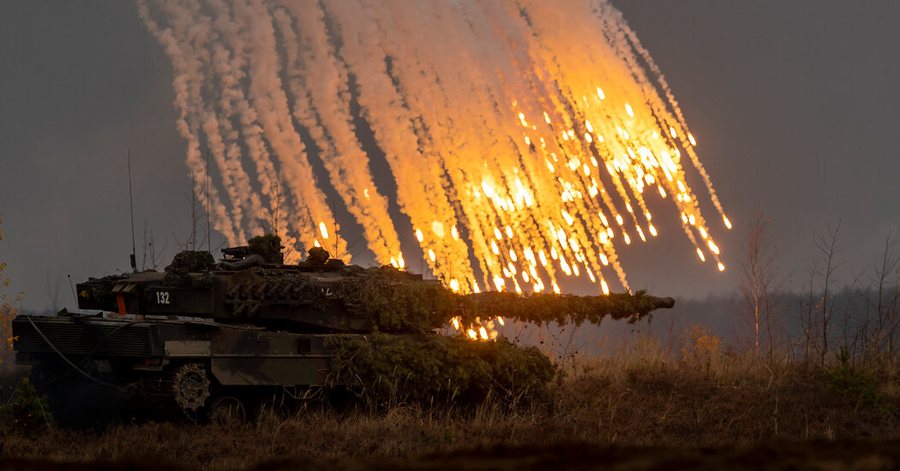
On February 21, 2022, Russian President Vladimir Putin gave a harsh speech, changing the minds of many who believed that Russia would not launch a full-scale invasion of Ukraine.
Less than 72 hours later, Russian missiles are headed for Ukrainian territory, and Russian military forces have crossed the border.
According to Western intelligence, Putin believed he would invade Ukraine within weeks, if not days.
It did not happen like that and now the war has completed two years. Will it end in the third year?
Certainly not. But an impasse in the talks could be deceptive, as it makes Kiev's supporters complacent about the current situation at a time when a very important factor in the war has been called into question: Western military aid to Kiev.
"It is always dangerous to make predictions, but it is difficult to imagine that the war will end by the end of 2024," said Ruth Deyermon, a lecturer in the Department of War Studies at King's College London.
"As things stand now, neither side seems to have the capacity for a decisive defeat of the other side. In order to achieve something like this, there must be a radical change in external factors, especially when it comes to the level of support offered by the West", said Deyermond in several answers to Radio Free Europe.
"Obviously, more support from the West would help Ukraine make progress in liberating the territory," she added, "while a waning of Western support would result in a Ukraine that agrees to the terms." put by Russia in the peace talks".
Olga Oliker, program director for Europe and Central Asia at the International Crisis Group, was more direct in her assessment.
"If Ukraine remains without weapons and people, yes, the war will end next year," Oliker said in a telephone interview.
"There is always the possibility that the surrender of one side will end the war", she said.
"And if you run out of weapons and people, there aren't many other options."
Shifting tides of war
The situation in the war has changed several times since the start of the war in Ukraine.
In general, 2022 has been the year of Ukraine, as it surprised the whole world by surviving, but also convincingly fighting Russia around Kiev in the first weeks of the war.
Later, the Ukrainian defense forces managed to recapture large parts of the territories around Kharkiv and Kherson.
In 2023, a long-awaited offensive by Kiev, launched in June, has not produced the intended results, to penetrate the "land corridor" that allows the transition from Ukrainian territory to Crimea, the Ukrainian peninsula occupied by Moscow in 2014.
In an interview published by The Economist on November 1, the commander-in-chief of Ukraine's armed forces at the time, General Valeriy Zaluzhniy, described the situation on the battlefield as a "stalemate" - words that have left some in Ukraine with a sour taste. of defeat, including the Ukrainian president, Volodymyr Zelensky.
Things have changed since then, less on the battlefield but more in Washington, as a different kind of stalemate there threatens Ukraine's defenses.
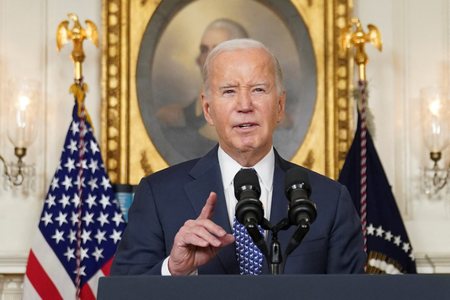
About two weeks before Zuluzhniyt's statements, which may have contributed to his impeachment this month, US President Joe Biden proposed $60 billion in military aid to Ukraine, mostly for weapons.
Four months later, after much discussion of disagreements in the US Congress and the blockade imposed by the Republicans, the aid package has not yet been approved, nor is it known when such a thing might happen.
On the battlefield, the sound of gunfire in Ukraine is fading each time the weapons are depleted, and the situation around Avdivka is far from a stalemate.
After many months of fighting, Russian military forces have captured this devastated Donbas city.
Confidence boost?
As in the long battle for Bahmut, even the victory in Avdivka has cost Russia a lot, with the loss of the number of soldiers and weapons.
However, the victory comes to Russian President Vladimir Putin's advantage just ahead of the March 15-17 presidential election, which is expected to give him another six years in power, and may have boosted his confidence for the war.
This result may have paved the way for Moscow to cede more territory.
"If Russian forces continue to advance beyond Avdivka and gain control of the transport network, including west of Bahmut, they will pose a threat to a more strategic location, Pokrovski, about 80 kilometers away," said military analyst Dara Massicot, a researcher at senior at the Carnegie Institute for International Peace," in a post on X, formerly known as Twitter, on February 20.
"The training of Russian military leaders and their perspectives will convince them that now is the time to realize objectives: Ukrainian units are short of ammunition and the number of soldiers, American aid is delayed," and the West has not yet met its goals for ammunition production, Massicot wrote.
"If the United States does not provide additional military assistance, then Ukrainian military capabilities will deteriorate," Mark Cancian, a military analyst at the Center for International Strategic Studies in Washington, said in an email.
"In that situation, I expect them to agree to some kind of negotiated ceasefire that allows Russia to occupy the captured territory."
Ndihma ushtarake amerikane e ka përjetuar pikun në verën e kaluar me rreth 1.4 miliard dollarë në muaj, ndërsa sasia e pajisjeve ushtarake që dërgon SHBA-ja në Ukrainë do të zvogëlohet për 80-90 për qind deri në verën e vitit 2024, nëse Kongresi nuk e miraton një pako të re ndihme, ka thënë Cancian për Radion Evropa e Lirë më herët gjatë muajit.
Megjithatë, edhe nëse ndihma e pakësuar amerikane dhe faktorë tjerë çojnë në pauzë, nuk pritet të ndikojnë me dhënie fund të luftës në këtë vit.
Një arsye është që Ukraina “është tejet e fokusuar në rindërtim dhe mbrojtje kundër sulmeve të vazhdueshme ruse”, kanë thënë analistët Massicot, Micheal Kofman dhe Rob Lee në një koment të publikuar më 26 janar, për situatën në luftë, pas kundërofensivës së vitit 2023.
Sipas tyre, pavarësisht nivelit të ndihmës së Perëndimit, Kievi është i vendosur që të shmangë çfarëdo marrëveshje që do t’i çimentonte fitoret territoriale prej anës së Rusisë, qofshin ato edhe të përkohshme.
Një tjetër faktor është se pavarësisht kapjes së Avdivkës, ende është e paqartë sa thellë mund të depërtojnë forcat ruse më 2024.
Shefi ukrainas i inteligjencës, gjenerali Kyrylo Budanov, ka thënë për të përditshmen amerikane The Wall Street Journal se forcat ruse “nuk kanë forcë” për të arritur atë që e ka konsideruar synimin e tyre strategjik, për zaptim të rajoneve Donjeck dhe Luhansk - të cilat përbëjnë Donbasin – në tërësinë e tyre, këtë vit.
Ndërkohë, analistët kanë thënë se për Rusinë, mbajtja e territorit që kontrollon tani, dhe kapja e një pjese tjetër në lindje dhe jug, është vetëm njëra pjesë e planit, pasi ekzistojnë edhe ambicie tjera që kërkojnë më shumë kohë për t’u përmbushur.
“Rusia ende synon nënshtrimin e Ukrainës, dhe tani beson se është duke fituar”, kanë thënë Jack Watling dhe Nick Reynolds, analistë ushtarakë në Institutin Royal United Services, me bazë në Britani, në një koment që e kanë publikuar më 13 shkurt.
“Në kushtet për dorëzim që i propozojnë tani ndërmjetësuesit rusë përfshihet që Ukraina të heqë dorë prej kontrollit mbi territorin e pushtuar prej Rusisë, përfshirë Harkivin, në disa versione përfshihet edhe Odesa, të pajtohet që nuk do t’i bashkohet NATO-s, dhe të ketë një udhëheqës shteti të miratuar prej Rusisë”.
Rusia shpreson që të gjitha këto t’i arrijë përmes një procesi me tri faza, kanë shkruar Watling dhe Reynolds:
duke ia shteruar Ukrainës të gjitha municionet, duke e mbajtur vijën e frontit nën presion të vazhdueshëm,
“duke thyer vendosmërinë e partnerëve ndërkombëtarë për të dërguar ndihmë ushtarake në Kiev”, dhe
duke shënuar fitore në fushëbetejë, “të cilat do të mund të përdoren kundër Kievit, duke e detyruar që të kapitullojë sipas kushteve të vëna prej Rusisë”.
“Planifikimet për zbatim të këtyre objektivave tregojnë se ata parashohin që fitorja të arrihet më 2026”, kanë shkruar ata.
Pjesa më e rëndësishme e ekuacionit është që Rusisë mund t’i rriten ambiciet, dhe atë në periudhë të shkurtër.
After almost a quarter in power, Putin's goals have changed, depending on the advances or setbacks he has had.
"It is important to mention that Russia's intentions may expand, depending on success," RUSI analysts said, and "considering that the Kremlin has violated almost all important agreements with Ukraine and NATO , there is no guarantee that even if Russia gets everything it wants from the negotiations, it will not stop until it occupies all of Ukraine, or is forced to use force elsewhere."
On the other hand, Russia's failure to make substantial progress in 2024 will mean that future success will be very difficult.
The key point here is the help of the West.
"The Russian theory of victory is possible if Ukraine's international partners fail to adequately supply the Ukrainian military," wrote Watling and Reynolds.
"However, if Ukraine's partners continue to provide sufficient ammunition and support training to withstand Russian attacks in 2024, then Russia has little chance of making much progress in 2025. If Russia sees no chance of victory in 2025 , then with difficulty it can force Kiev to capitulate in 2026".
Other analysts agree that what will happen this year will determine the course of the war.
"Decisions taken now will determine whether the Ukrainian military has sufficient resources to hold its positions in 2024, repel Russian attacks and rebuild the force for 2025 and beyond," Massicot told Radio Europe. free.
"The signs show that the fighting will continue until at least the beginning of 2025," said Deyermond.
"What happens next, including how quickly and under what circumstances the war ends, will depend on what happens this year." / REL


Lini një Përgjigje