


 Shkruar nga Pamfleti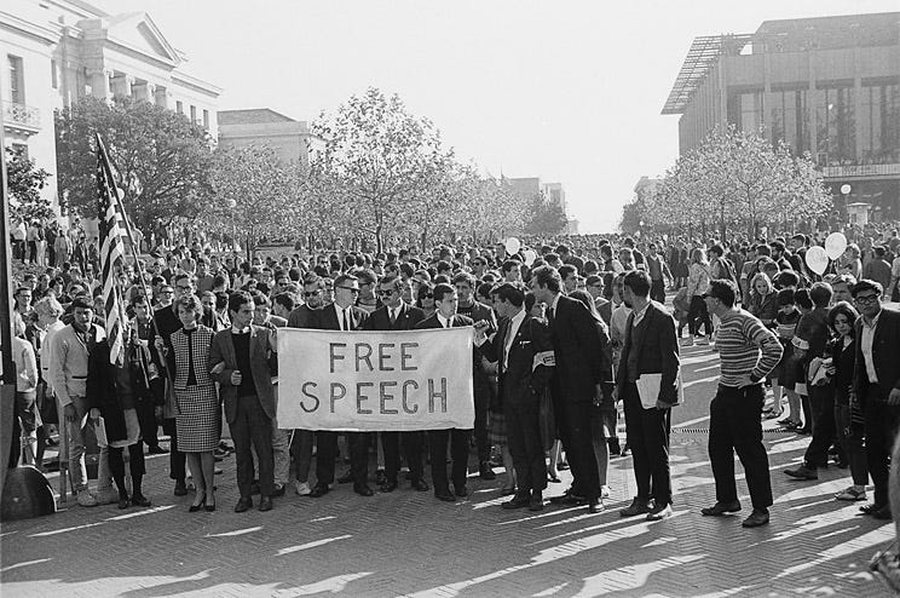
In Europe, many people end up in prison for displaying a flag, wearing a bracelet or chanting an anti-government slogan, or for similar reasons...
In an increasingly tense geopolitical context, the issue of freedom of thought and fundamental rights is returning to the center of the European debate. Testimonies from activists and dissidents from countries such as Belarus, Georgia, Russia and Iran show that the restriction of civil liberties is not an isolated phenomenon, but part of a broader trend related to the strengthening of authoritarian regimes and their influence in the region.
The case of Belarus presents one of the clearest examples of the organized suppression of freedom of expression. Arrests for symbolic actions, such as wearing a bracelet with the national historical colors or participating in peaceful activities, demonstrate the level of state control over society. These measures are not only aimed at individuals, but also at creating a climate of fear that limits collective action. In this reality, the internal division of the country between a society that seeks orientation towards Europe and a regime that relies on strong political and strategic ties with Russia is also revealed.
This dimension is directly related to the developments in Ukraine and Russia's role in the region. The discussions held within the framework of the European activities underline that the war in Ukraine is not only a territorial conflict, but also a clash between two political models: the democratic one and the authoritarian one. According to the participants, Moscow's policy is characterized by continuous attempts to restore influence in the post-Soviet space, through military, political and informational means.
Another important dimension is that of propaganda and disinformation, which are considered key instruments in this strategy. Representatives of European institutions emphasized that these phenomena are not limited to countries directly affected by the conflict, but extend throughout Europe, affecting public opinion and democratic stability. In this context, the protection of human rights is seen not only as a matter of values, but also as an element of political security.
The situation in Georgia reinforces this analysis. Although the country has clear aspirations for European integration, recent political developments indicate a gradual distancing from these objectives. According to activists, the adoption of restrictive laws and the approach to pro-Russian policies create internal tensions, especially among the younger generation, which sees its future linked to Europe. This clash between social orientation and political decision-making constitutes one of the main challenges to democratic stability in the country.
In Russia, the situation is even more severe, according to the testimonies of opposition representatives. They describe the system as deeply repressive, with an organized suppression of any form of opposition and the use of violence in the context of the war in Ukraine. This evidence aims to show that the dimension of the conflict goes beyond territorial borders and is linked to a model of governance that excludes pluralism and fundamental rights.
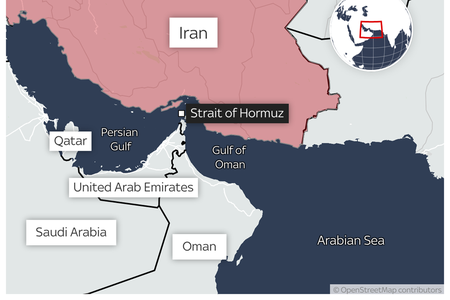
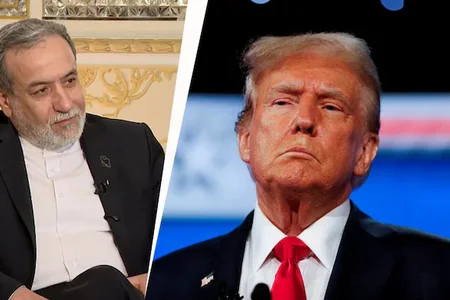
Meanwhile, Iran represents another example of resistance to an authoritarian system, where protests in recent years, led largely by women, have highlighted the demand for profound social and political change. However, according to Iranian activists, these movements face strong repression and a lack of sufficient international support. They point out that international negotiations often do not reflect the demands of citizens, creating a gap between diplomacy and the reality on the ground.
In this complex landscape, the European Union seeks to position itself as an actor promoting democracy and human rights. Instruments such as the Sakharov Prize for Freedom of Thought aim to provide symbolic and political support to individuals facing repression. Cases such as those of imprisoned journalists and activists in Belarus and Georgia demonstrate the importance of this commitment, but also its practical limitations.
Developments in these countries show that freedom of thought remains a fundamental issue in international relations and European politics. It is not guaranteed and requires constant protection, both within and outside the borders of the European Union. Faced with a polarized reality, where democratic and authoritarian models coexist and clash, the main challenge remains the preservation of fundamental values and their translation into concrete political action./ Adapted from “Pamphlet” by “Linkiesta”


Lini një Përgjigje