


 Shkruar nga Pamfleti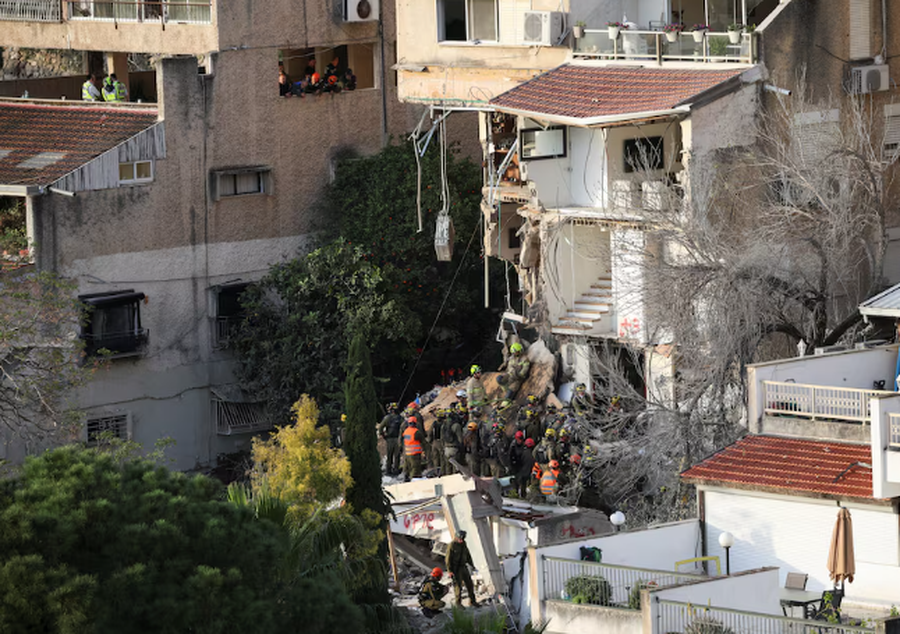
Tehran rejects initial reopening of Hormuz as ceasefire talks continue
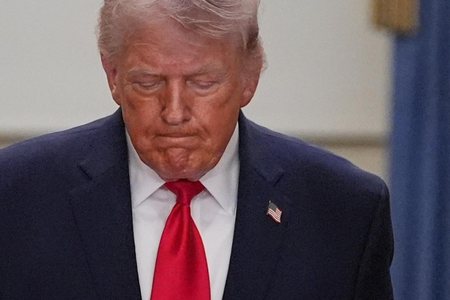
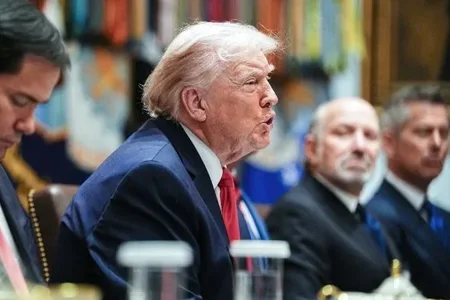
The United States and Iran agreed on a framework proposal to end hostilities, but Iran immediately rejected the reopening of the Strait of Hormuz after President Donald Trump threatened to "let all hell break loose" on Tehran if a deal was not reached by the end of Tuesday.
The peace plan includes a two-tiered approach: an immediate ceasefire, followed by a comprehensive agreement expected to be concluded within 15-20 days, a source briefed on the proposals said on Monday, Reuters reports.
Pakistan's army chief, Field Marshal Asim Munir, has been in contact "throughout the night" with US Vice President JD Vance, special envoy Steve Witkoff and Iranian Foreign Minister Abbas Araqchi, the source added.
Iran will not reopen the Strait as part of a temporary ceasefire, a senior Iranian official told Reuters on Monday, adding that Tehran would not accept time frames while considering the proposal. He said Washington was not ready for a permanent ceasefire.
Axios first reported on Sunday that the US, Iran and regional mediators were discussing a possible 45-day ceasefire as part of a two-phase deal that could lead to a permanent end to the war, citing US, Israeli and regional sources.
Trump sets deadline for deal
In a strongly worded post on his Truth Social platform on Sunday, Trump threatened further attacks on Iran’s energy and transportation infrastructure if Tehran does not reach a deal and reopen the Strait by Tuesday. He later set a precise deadline: “Tuesday, 8:00 p.m. Eastern Time! (Wednesday 12:00 a.m. GMT).”
New airstrikes were reported across the region on Monday, more than five weeks after the US and Israel launched bombing raids on Iran in a war that has killed thousands of people and damaged economies by driving up oil prices.
Iran responded to the attacks by virtually closing the Strait of Hormuz, a corridor for about a fifth of the world's oil and natural gas supply, as well as by striking Israel, US military bases and energy infrastructure in the Gulf region.
Anwar Gargash, an adviser to the president of the United Arab Emirates, stated that any agreement must guarantee access through the Strait of Hormuz.
He warned that a deal that does not curb Iran's nuclear program and its missile and drone capabilities would lead to "a more dangerous and unstable Middle East."
Iranian attacks over the weekend on petrochemical facilities and an Israeli-aligned ship in Kuwait, Bahrain and the United Arab Emirates demonstrated the country's ability to retaliate, despite Trump's repeated claims that Iran's missile and drone capabilities have been destroyed.
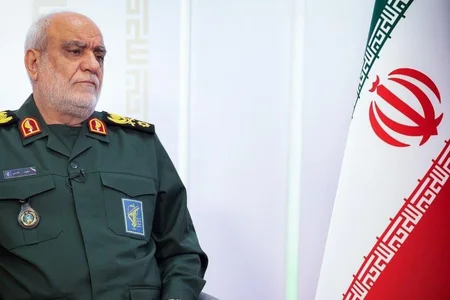
Iranian state media reported that the head of the Revolutionary Guards' intelligence organization, Majid Khademi, has died. Attacks by Israel and the US have killed several high-ranking members of the Iranian regime, including Supreme Leader Ayatollah Ali Khamenei, who was replaced by his son, Mojtaba.
In Israel, rescue teams pulled two bodies from the rubble of a residential building in Haifa, hit by an Iranian missile on Sunday, Israeli media reported.
Some 3,540 people have been killed in Iran since the outbreak of the war, including at least 244 children, according to the US-based human rights organization HRANA.
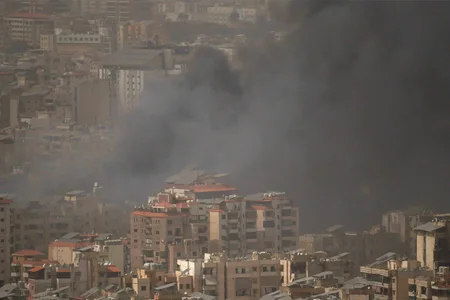
Israel has also intervened in southern Lebanon and struck Beirut in the war against Iran-backed Hezbollah, in what has become the most violent escalation of the conflict.
Lebanese authorities report that 1,461 people have been killed, including at least 124 children.



Lini një Përgjigje