


 Shkruar nga Pamfleti
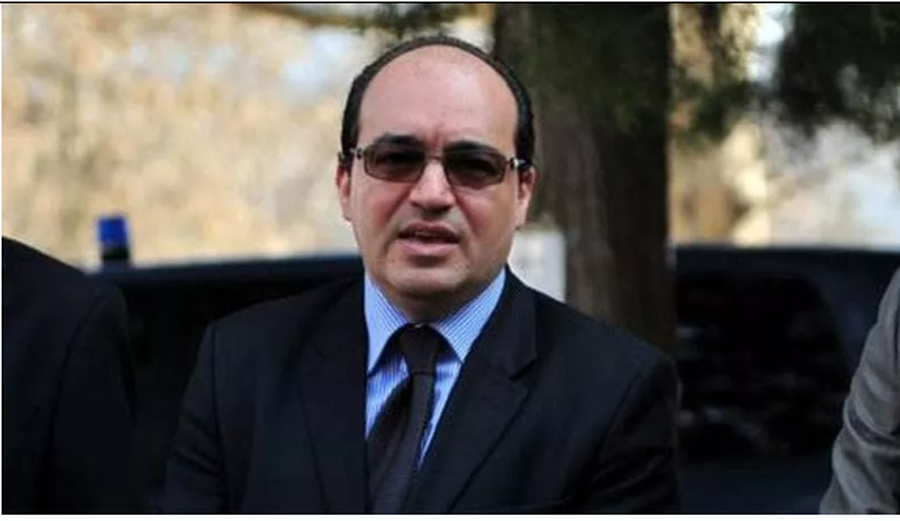
In besieged Sarajevo, Michael Giffoni was the deputy head of the special diplomatic delegation (two years later he returned to the embassy)
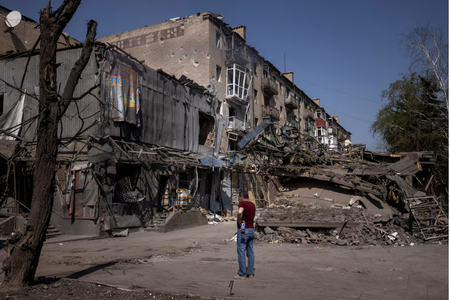
In the 1990s, during the massacre of the population in Sarajevo by Bosnian Serb forces, there were also Italian snipers. The so-called "Cecchini del weekend" who went to the Bosnian capital to shoot civilians for fun. This is revealed by the extraordinary testimony of Bosnian intelligence agent Edin Subašić, given to the writer Ezio Gavazzeni.
According to him, the Italian secret service SISMI had discovered these "horror journeys" and, at an unspecified moment, had managed to stop them, perhaps by alerting other Western allied services. It is not known how long this terrible hunt for civilians lasted, but this summer, following a complaint filed by Gavazzeni at the Milan Prosecutor's Office, an investigation was opened. Many of the protagonists of that time may still be alive, even though over 30 years have passed.
Diplomat Michael Giffoni's interview about Italian snipers in Sarajevo in 1994:
"I have no problem telling everything I know. It's a story that really shocked me at the time. But we have to put it in that context of war."
In besieged Sarajevo, Michael Giffoni was the deputy head of the special diplomatic delegation (he returned to the embassy two years later). A young diplomat who later became the first Italian ambassador to Kosovo from 2008 to 2013 (in 2014 he was involved in a judicial investigation from which he was found not guilty “because the fact did not exist”). His testimony confirms the news of Italians among the snipers, shooting from the hills.
Tell us about Sarajevo in 1994?
We were constantly under sniper fire. Even us, even though we had diplomatic status. My Fiat Panda was full of bullet holes. Contact with what was happening on the surrounding heights, even in Grbavica, was practically zero. It was 'everyone against everyone'. In such situations, an uncontrollable stream of voices erupts.
What are these voices?
I remember, with emotion even today, when I arrived in Sarajevo, at the end of 1994. They immediately told me: 'You know, there are "Safaris" up there.' Whole flocks of rich people would come from all over. Hunters, but also businessmen. Soldiers or paramilitaries, who had a lot of power in that conflict, would take them to the hills and they would pay. Then everything became clearer.
When?
Sismi officials received information from Bosnian intelligence about Italians among the snipers (this is also mentioned in Ezio Gavazzeni's report, which led to the Milan prosecutor's investigation). Edin Subašić, the former Bosnian agent who recounted this, was not making anything up.
What did Subašić report to Sismi?
That the Bosniaks had captured a Serbian paramilitary, who had 'sang', showing that foreigners also came to shoot in the hills. Russians, but also Italians. They were brought from Trieste, by flights or other means. They arrived in Serbia and from there they were taken to high positions. That's what Sismi was told.
Have you had any confirmations?
The information about the Italian snipers was later confirmed to us by Subašić's boss, Mustafa Hajrulahović, nicknamed 'Talijan', the Italian. We had good relations.
What happened next?
The information was passed on to the heads of the secret services in Rome. From Rome, after a few months, the two officials were informed that the trail had been investigated, that they had identified those who organized it, and that the case was 'closed'. They were assured that, at least from Italy, the flow had stopped. And they ordered the information to be passed on to the Bosnians.
When?
We learned this in 1994. But it is certain that 'bad things' had happened in 1993 as well.
How were communications made?
Writing was not widely used during that period.
What happened next?
After that communication, nothing else was requested or added, otherwise I would have known. In those years, we did everything we could do from the ground, in a context of total disintegration.
Did they give you names?
If we had had a name, then, we would have prosecuted him. I stand proudly for those years. The news shocked us a lot. Also because Italy did a lot in Bosnia, especially with civil society. I saw tens of thousands of volunteers coming with trucks full of aid. The Italians supported the Bosnian people with extraordinary generosity and closeness. It was a war at our doorstep. And to know that there were compatriots among the snipers, it hurt us a lot.


Lini një Përgjigje