


 Shkruar nga Yang Xiaotong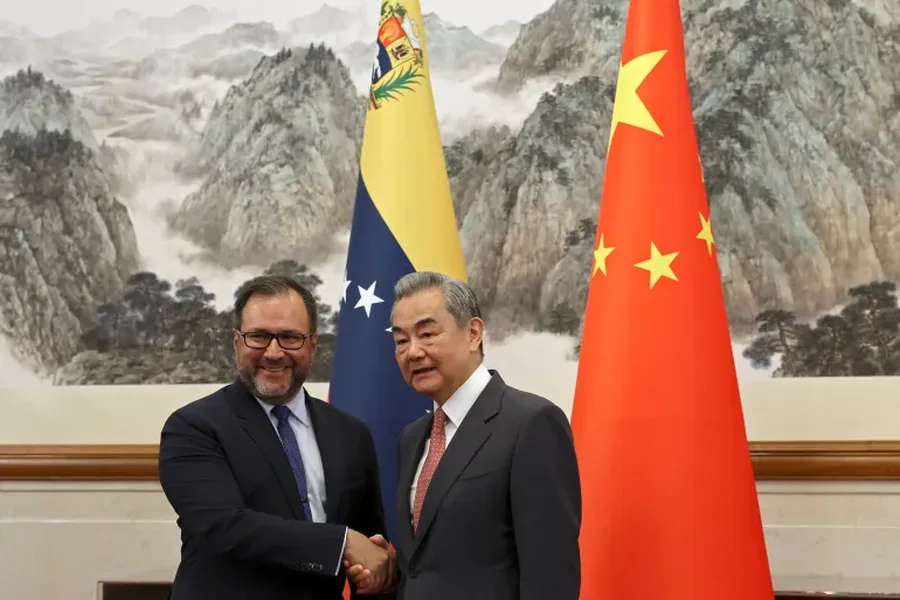
Despite its close ties with Caracas, Beijing is wary of getting involved in a distant conflict. China is carefully avoiding a geopolitical trap, and its passivity clearly shows the limits of Chinese influence in Latin America. Due to strong pressure from Trump, most Central and South American countries have withdrawn from most Chinese projects....
As Venezuela and the United States teeter on the brink of open conflict, China has been vocal in condemning Washington's actions. According to Beijing, the latest escalation, which includes the seizure of Venezuelan oil tankers, the bombing of suspected drug trafficking ships, and the imposition of a blockade off Venezuela's coast, is a typical example of American unilateralism, violating another country's sovereignty and the United Nations Charter.
During a December 17 phone call with his Venezuelan counterpart, Chinese Foreign Minister Wang Yi expressed opposition to the US’s “unilateral bullying” and supported Venezuela’s right to defend its sovereignty and national dignity. However, beyond rhetoric, Beijing has offered Caracas nothing more. China is carefully avoiding a geopolitical trap, and its passivity clearly shows the limits of Chinese influence in Latin America.
Engagement with Latin America
For more than two decades, China has expanded its economic relations with Latin American countries, becoming South America's leading trading partner and Mexico's second largest partner. This engagement is driven by the high degree of complementarity between their economies.
Agricultural commodities, particularly soybeans from Brazil, Argentina and Uruguay, have improved China's food security, especially during the trade war with the US. Meanwhile, minerals such as lithium carbonate from Chile, Argentina and Bolivia have become essential for China's electric vehicle industry.
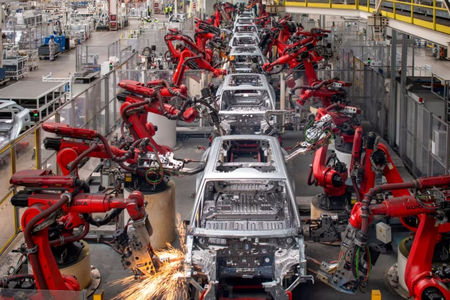
In recent years, Chinese exports of electric cars to Latin America have increased by 55 percent in 2023 alone. The region has not only eased China's overcapacity problem, but has also provided a market for Chinese technology such as Huawei's 5G network, which has long been rejected by Western countries.
Currently, Chinese 5G equipment is present in most countries in the region. The US, which traditionally sees Latin America as its “backyard,” has been suspicious and hostile to this influence. In February of this year, Secretary of State Marco Rubio, an outspoken opponent of China, launched a diplomatic offensive across the region.
Duke deklaruar se ishte në një mision për të kundërshtuar ndikimin e Pekinit në Hemisferën Perëndimore, ai u përpoq të bindte disa vende të zvogëlojnë lidhjet me Kinën. Pavarësisht se nuk ofron një model alternativ bindës dhe përdor taktika si tarifat, Uashingtoni e ruan ende epërsinë në rajon.
Për shembull, megjithëse shumica e vendeve mbështesin politikën e “një Kine”, rajoni mbetet bastioni i fundit i Tajvanit. Shtatë vende amerikano-latine që mbajnë marrëdhënie zyrtare me të. Kohët e fundit, SHBA-ja arriti një fitore kur Nasri Asfura fitoi zgjedhjet në Honduras duke premtuar rivendosjen e lidhjeve me Tajvanin.
Nën presionin e SHBA-së, edhe vende të tjera kanë ndryshuar qasje: Panamaja u tërhoq nga nisma “Një Brez, një Rrugë”, ndërsa operatori i Kanalit të Panamasë ia shiti aksionet e tij një konsorciumi amerikan. Në dhjetor, Meksika njoftoi vendosjen e tarifave deri në 50 për qind për mallrat kineze.
Në Venezuelë, presioni i SHBA-së lidhet ngushtë me politikën e brendshme, ku Rubio kërkon të kënaqë elektoratin opozitar venezuelian dhe kubano-amerikan. Megjithatë, një ndryshim i regjimit në Karakas do të dëmtonte interesat e Kinës. Si klientja më e madhe e naftës venezueliane, Kina ka interes në stabilitetin e këtij vendi.
Ndonëse Kina nuk është e varur tërësisht nga ky furnizim, ndërprerja e cisternave nga SHBA-të minon strategjinë kineze për të shmangur varësinë nga një aktor i vetëm energjetik.
Doktrina Monro 2.0 apo një kurth?
Kina e sheh përshkallëzimin e situatës në Venezuelë edhe nga një këndvështrim gjeopolitik. Në Strategjinë e Sigurisë Kombëtare (NSS), administrata Trump deklaroi se ditët e SHBA-së si “xhandari i botës” kanë përfunduar, duke ritheksuar parimet e Doktrinës Monro të shekullit XIX-të.
Edhe pse NSS nuk e përcakton drejtpërdrejt Kinën si kërcënimin më të madh, dokumenti thekson se ushtria amerikane do ta mbrojë Tajvanin me mjete ushtarake. Ky dokument dërgon sinjale të përziera. Nga njëra anë, SHBA-ja duket se po përqendrohen tek Hemisfera Perëndimore, ndërsa nga ana tjetër, bazat e tyre në Korenë e Jugut dhe Japoni mbeten plotësisht funksionale.
Pekini ka frikë se Uashingtoni po e josh drejt një ndjenjë të rreme sigurie, prandaj mbetet shumë i kujdesshëm në sjellje. Dokumenti i fundit i Kinës mbi Amerikën Latine, reflekton përpjekjen e saj për të kundërshtuar SHBA-në, por ofron një mbështetje e cila është më shumë simbolike sesa thelbësore.
The attempt to unite the Global South against American hegemony is not enough in the face of US military power. In this context, the Chinese government would not commit real resources to defending Venezuela. In the event of a US invasion, China is likely to use the event to position itself as the champion of international law. Although it would consider a prolonged US-Venezuelan war a positive development for it, it is almost certain that China will not provide military assistance to Venezuela. A US overthrow of the Caracas government would highlight the limits of Chinese power and would prompt countries in the region to reconsider their ties with Beijing, given the aggressive US presence. /Adapted from Al Jazeera/
Note: Yang Xiaotong, researcher at the Horizon Insights Center.



Lini një Përgjigje