


 Shkruar nga Pamfleti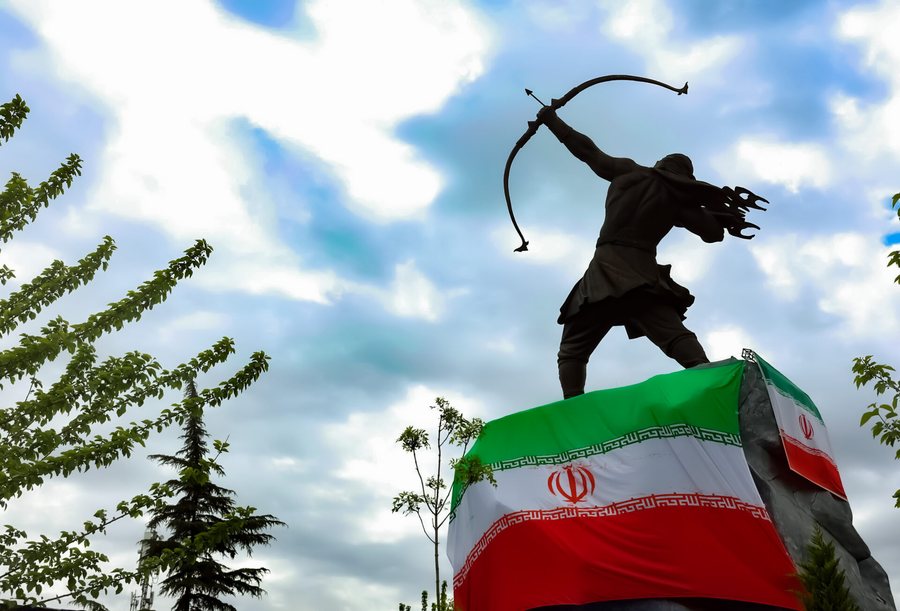
The United States is using force more openly and reducing the role of diplomacy, exerting direct pressure on adversaries and partners. This approach, similar to the logic of “strong against weak,” has historically had negative consequences for the powers that follow it.
The tendency to protect interests through force is not new to the United States. Since the post-World War II period, this approach has been present, although it has usually been exercised in a more reserved manner and covered by a layer of propaganda, avoiding direct exposure of its use.
What appears as a novelty is the open display of brutality, at a time when previously the use of force was masked by carefully constructed narratives. Also new is the rejection of diplomacy in its traditional form. It survives mainly in more aggressive forms and is used as a last resort, when the use of force presents high costs or uncertainties. In these cases, it is accompanied by the so-called “maximum pressure”, exercised in an openly coercive manner.
In an article published in the New York Times, Stewart Patrick of the Carnegie Endowment for International Peace notes that the clash with Iran represents a moment where this tendency toward the use of force has been fully and directly displayed.
According to Patrick, the idea that the strong must inevitably behave in this way towards the weak and that geopolitics is simply a matter of force relations rests on what he calls the “eternal truths of power politics.” These ideas are often inspired by Thucydides and his work “History of the Peloponnesian War,” a reference text for many realists in foreign policy.
However, Patrick argues that these interpretations are often superficial and overlook the deeper lessons of history about the dangers of exercising power without limits and legitimacy. He cites as an example the Melian Dialogue, where Athens presents an ultimatum to the island: submit or face destruction.
The inhabitants of Melos asked to remain neutral, but their request was rejected. “The strong do what they can and the weak suffer what they must,” declared the Athenians. In the end, the island was conquered, the men were killed, and the women and children were sold into slavery.
Patrick notes that the second Trump administration has embraced this logic, neglecting a crucial historical lesson: Athens' transition from an acceptable hegemony to an oppressive empire led to its downfall.
In ancient Greece, city-states recognized a hegemonic power, which enjoyed a leading role thanks to its contribution to collective defense. But this leadership was often contested. The most famous clash was between Athens and Sparta in the Peloponnesian War, which ended in Athens' defeat.
Thucydides wrote that the rise of Athens and the fear it inspired in Sparta made war inevitable. However, Patrick argues that the causes were deeper: the main concern was Athens' violation of norms as it attempted to transform a consensus-based leadership into a coercive empire.
During the debate in Sparta over the declaration of war, an Athenian delegation justified this approach by stating that it was an eternal law that the weak should submit to the strong. This argument, according to Patrick, proved counterproductive, as it strengthened suspicions about Athens' imperial ambitions and pushed its opponents towards war.
In this sense, it was not simply the existence of rival powers that made conflict inevitable, but the fact that one of them abused the rules of the system that had enabled its rise.
Patrick concludes that the temptation to exploit dominance is a recurring historical impulse. According to him, the United States is using and abusing this dominance to secure maximum benefits, exerting pressure even on its closest partners. As in the time of Thucydides, this approach may bring short-term benefits, but risks serious consequences in the long run. / Adapted from "Inside Over"







Lini një Përgjigje