


 Shkruar nga Pamfleti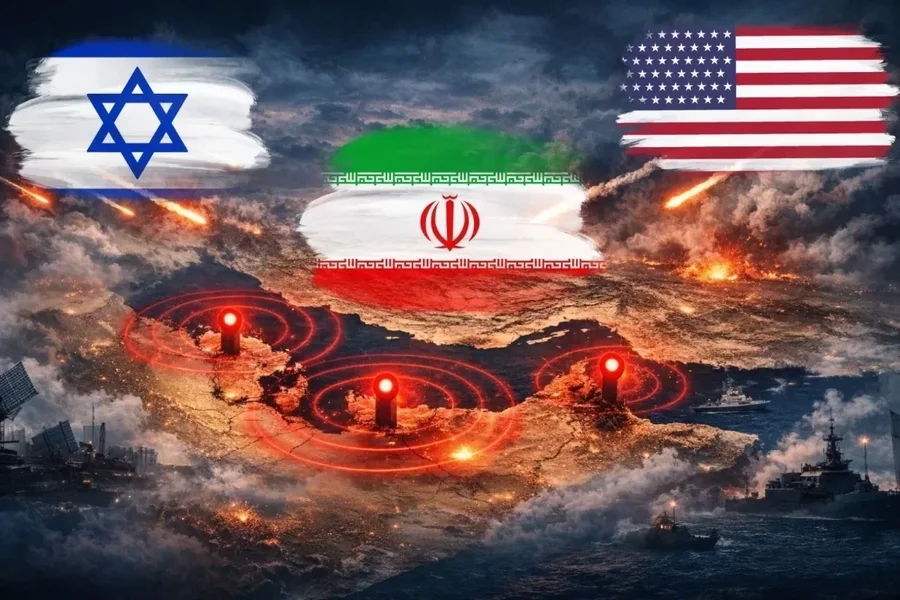
Israeli-American attacks continue to hit Iranian military and economic targets, as Iran responds on several fronts in the region
It has now been nine days since the first Israeli and US bombs hit Iran. The attack was presented as a preemptive move to deter the ayatollahs from targeting several targets. US President Donald Trump has given a different reason almost every day: promoting democracy and regime change, preventing the Islamic Republic from attacking Israel, preventing a return to a nuclear program or building missiles capable of hitting America.
The American attack was carried out without a formal declaration of war and without a clear objective. For this reason, it is difficult to understand whether the United States is winning. It is easier to say who is losing, Iran, and who is winning, Israel.
Netanyahu's victories
Since at least 1992, Israeli Prime Minister Benjamin Netanyahu has warned of the Iranian threat, calling it “the curse of the region,” “the nuclear threat,” and “the pinnacle of the axis of evil.” Every Shiite leader killed, every military base destroyed, and every infrastructure that could support the Islamic Republic’s ambitions is a victory for him.
Strikes on the Ayatollahs
The Iranian theocracy is taking successive blows. If this were a boxing match, it would be losing on points. But this is a war. Iran only needs to stand its ground to consider itself a winner. It only needs to avoid internal revolts or secessions by minorities. The material devastation will set the country back years, but if the regime's nomenclature maintains control, this will be a problem for the citizens, not the leaders.
Tactics
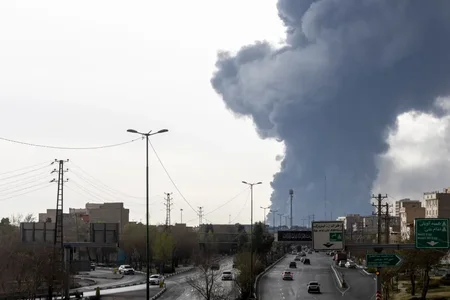
The tactics have changed somewhat since February 28, the first day of the aggression. At first, the Israeli-American aviation, supported by missiles and drones, prioritized targeted killings and the destruction of air defenses and missile launchers. After gaining control of the skies, over the weekend it switched to striking economic infrastructure.
It is wrong to talk about "massive bombings". The targets are also selected to avoid wasting ammunition. There have been mistakes, such as the case of 165 girls killed in a school, but there is a cynical lack of interest in hitting civilians from whom an uprising is expected.
There are also signs of special forces incursions into Iranian territory and missions to rescue downed pilots. Trump has always had a preference for special forces.
Four directions of reaction
Irani ka reaguar në katër drejtime: duke goditur Izraelin, bazat amerikane në rajon, rrjedhën globale të energjisë dhe duke mobilizuar milicinë aleate në Liban. Dje dukej se Ngushtica e Hormuzit mund të rihapej, por kjo mbetet për t’u verifikuar.

Qielli i Libanit
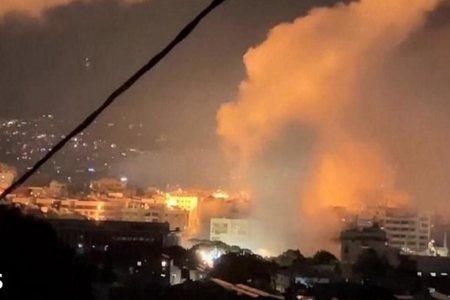
Në Liban Izraeli po vepron i vetëm, pa SHBA-në. Ai kontrollon dimensionin e katërt të luftës, qiellin, dhe planifikon rreth 300 inkursione në ditë. Vrasjet e shënjestruara me dronë izraelitë vazhdojnë edhe në hotelet e Bejrutit ku janë strehuar refugjatë.
Hezbollahu reagon me pak lëshime raketash që zakonisht kapen nga mbrojtja ajrore, por arrin ta bëjë të vështirë një pushtim tokësor. Disa inkursione me parashutistë ose tanke janë zmbrapsur.
Shifrat
Fronti nën sulm po pëson humbjet më të mëdha. Mjafton të përmendet udhëheqësi suprem Ali Khamenei dhe të paktën 200 gjeneralë, politikanë dhe klerikë të vrarë, si dhe 42 anije të fundosura, përballë 7 ushtarëve amerikanë të vrarë.
Sipas shifrave të publikuara nga qeveritë përkatëse, rreth 1.400 persona kanë vdekur në Iran, mes tyre 400 fëmijë. Në Liban numri i të vrarëve arrin në rreth 400, përfshirë 150 fëmijë dhe, sipas Izraelit, 200 militantë. Në Izrael janë vrarë 11 civilë, mes tyre 3 fëmijë. Dy ushtarë izraelitë janë vrarë në Liban, 7 ushtarë amerikanë në Gjirin Persik, 21 në vendet prodhuese të naftës, 4 në Siri dhe një në Jordani. Megjithatë këto shifra ndikohen nga censurat kombëtare.
Sulmet në Gjirin Persik
Rreth 300 mijë persona janë zhvendosur nga Teherani dhe 800 mijë nga zonat libaneze nën sulm. Mesatarja e sulmeve izraelito-amerikane është rritur në afro 800 në ditë, ndërsa ajo iraniane ka rënë nga shtatë valë dronësh dhe raketash në drejtim të Izraelit në fillim, në vetëm tre.
Në Gjirin Persik tendenca është e kundërt: nga katër valë sulmesh në dhjetë çdo 24 orë. Sipas Gardës Revolucionare, 40 për qind e lëshimeve të tyre janë drejtuar ndaj Izraelit dhe pjesa tjetër ndaj bazave amerikane. Të dhënat arabe tregojnë një zgjedhje të qartë politike: Emiratet e Bashkuara Arabe kanë pësuar gati 1.300 sulme, më shumë se dyfishi i atyre ndaj Izraelit (600) dhe Kuvajtit (500). Monarkitë e tjera – Katari, Arabia Saudite dhe Bahreini – kanë regjistruar rreth 430 sulme.
Po ndryshon gradualisht edhe armatimi. Irani tani përdor më shumë dronë, deri në 2.000 në ditë, ndërsa Izraeli dhe SHBA përdorin më shumë bomba dhe dronë. Të gjitha palët përdorin më pak raketa.
Mundësia e zgjerimit
Mediet izraelite kanë njoftuar disa herë për hyrjen në konflikt të vendeve që strehojnë baza amerikane të goditura nga Irani, por deri tani kjo mbetet vetëm një dëshirë. Kërkim-faljet e bëra ndaj fqinjëve arabë nga presidenti iranian tregojnë ndjeshmërinë e kësaj çështjeje.
Israeli-American secret services are trying to convince Kurdish militias to intervene. After Hezbollah, Tehran wants to involve Yemen's Houthis, but they are faced with the American fleet.
Europe
On the other hand, Israel is counting on the Lebanese government's help to disarm Hezbollah, but so far Beirut has not taken any concrete steps. Europe is acting without a common line. France, Italy and Spain have sent ships to protect Cyprus. Turkey hopes to mediate. Pakistan, a nuclear power, is monitoring developments. Russia has admitted that it supports Iran, but it is not clear in what form, perhaps only with satellite information. /Adapted from "Corriere Della Sera"






Lini një Përgjigje